
Plants
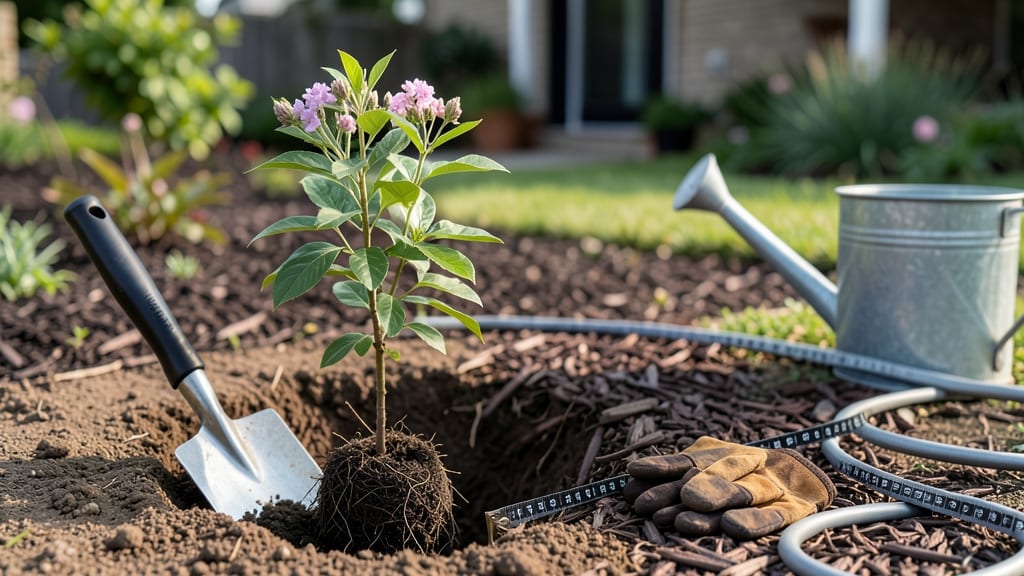
Planting crape myrtle in Texas at the right time means the difference between vibrant summer blooms and a shrub that struggles to take root.
Texas gardeners know crape myrtles deliver stunning summer blooms—but planting them at the wrong time can mean stunted growth or even failure. Timing isn’t just about months; it’s about your specific Texas climate zone and soil conditions.
If you’re in North Texas (Zone 8a), aim for late February to early March, when the soil warms but the risk of frost has passed. Meanwhile, gardeners in South Texas (Zone 10b) can plant as early as late January, taking advantage of milder winters.
Below, I break down the exact months by zone, how to prep your soil for success, and what to do if you miss the window—including container planting hacks for late starters.
Best planting months for crape myrtle in Texas by hardiness zone
Texas gardeners know crape myrtles deliver stunning summer blooms—but planting them at the wrong time can mean stunted growth or even failure. Timing isn't just about months; it's about your specific Texas climate zone and soil conditions.
The USDA hardiness zones 8a-10b create distinct windows for planting these drought-tolerant beauties.
In North Texas (Zone 8a), the ideal window spans February through April when soil temperatures rise above 60°F. This gives roots time to establish before summer heat arrives.
Meanwhile, Central Texas (Zone 8b-9a) gardeners should aim for March through May, avoiding late spring heatwaves that stress young plants.
For South Texas (Zone 9b-10b), the window extends to March through May but requires extra vigilance against early summer droughts. Each zone's unique climate demands tailored timing to prevent transplant shock and ensure vibrant blooms.
Comparison Table: Texas Crape Myrtle Planting Windows by Zone
| Zone | Optimal Months | Key Consideration | Soil Prep Tip |
|---|---|---|---|
| North Texas (8a) | February - April | Avoid late frosts (after Feb 15) | Add compost to improve drainage |
| Central Texas (8b-9a) | March - May | Watch for April heatwaves | Test pH (6.0-7.0 ideal) |
| South Texas (9b-10b) | March - May | Prepare for summer drought | Mulch heavily to retain moisture |
North Texas gardeners should plant after February 15 to avoid late frosts that can damage tender new growth. The 60°F soil temperature threshold signals it's safe to plant, and March showers provide perfect moisture for root establishment.
For Central Texas, aim for March planting when daytime highs reach 75°F consistently.
In South Texas, March planting allows roots to establish before summer heat peaks in June. The key is to plant before May 1 to give plants time to develop strong root systems before drought conditions intensify. Each zone's unique climate requires specific preparation to ensure successful establishment.
For all zones, water deeply immediately after planting to reduce transplant shock. Use 1-2 gallons of water per plant and maintain consistent moisture for the first 4-6 weeks. This helps roots penetrate the soil and establish before summer heat arrives.
If you miss the ideal window, container planting offers flexibility. Young crape myrtles thrive in 5-gallon containers and can be planted outdoors after the last frost date. This method gives you control over soil conditions and watering schedules until you can transplant permanently.
Remember that crape myrtles hate soggy soil. Amend heavy clay soils with organic matter like compost or pine bark fines to improve drainage. In sandy soils, add peat moss to help retain moisture during the critical establishment period.
Once planted at the right time, your crape myrtle will reward you with vibrant summer blooms for years to come. The key is understanding your zone's unique climate patterns and preparing accordingly to give these drought-loving beauties the best possible start.
Signs you’re planting crape myrtle at the wrong time in Texas
Your crape myrtle might be struggling because Texas’ unpredictable spring weather can throw off ideal planting windows. If you see yellowing leaves or wilting branches within weeks of planting, it’s a red flag. These signs often mean you planted too early (before last frost) or too late (during summer heatwaves).
Another warning is slow growth or stunted roots after transplanting. Crape myrtles need 4-6 weeks to establish roots in cool, moist soil. Planting in dry heat or freezing temperatures stresses young plants, delaying their ability to thrive.
⚠️ CRITICAL WARNING ⚠️
🌡️ Planting in extreme heat (above 90°F): Causes transplant shock and leaf scorch. Solution: Use shade cloth for 2-3 weeks post-planting.
❄️ Planting before last frost (before February 15 in North Texas): Roots freeze. Solution: Wait for soil temps above 60°F.
💧 Planting during drought: Stresses young roots. Solution: Deep-water 2-3x weekly until established.
If your crape myrtle develops brown leaf edges or drooping foliage during summer, it’s likely suffering from heat stress. This happens when planted too late (after May 1 in most Texas zones). Late-planted crape myrtles also struggle with pests like aphids, which thrive in stressed plants.
For North Texas gardeners (Zones 8a-8b), avoid planting after April 15. The late spring heatwaves can bake young roots before they establish. In South Texas (Zones 9a-10b), planting after May 1 risks fungal diseases from high humidity and heat.
Adjust by container planting if timing is off. Pots give you control over soil moisture and temperature. Use well-draining soil and move containers to partial shade during heatwaves. This buys time until ideal conditions return.
Finally, watch for root rot if you planted in waterlogged soil during rainy springs. Crape myrtles hate soggy roots. Amend soil with compost and sand to improve drainage before replanting.