
Plants
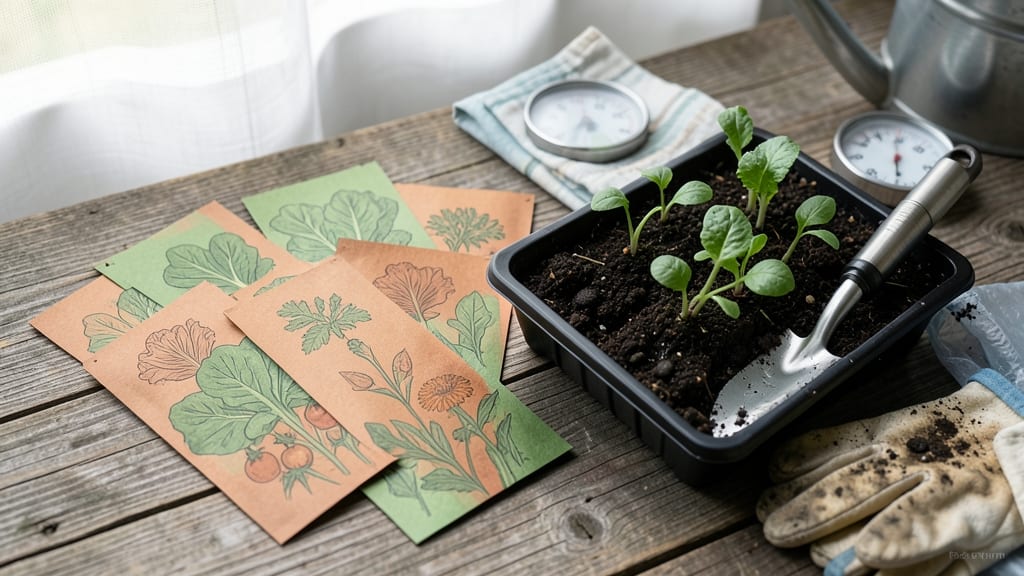
To plant seeds in Colorado, timing is everything—your last frost date depends on whether you're in the Front Range, Western Slope, or Eastern Plains, and missing the window means lost seedlings or stunted growth.
Colorado’s unpredictable weather can make seed planting a gamble—unless you know the exact windows for each hardiness zone. Plant too early, and frost will wipe out your seedlings; too late, and summer heat will stunt growth. Here’s the science-backed timeline to maximize your garden’s potential.
Cool-season crops like lettuce and peas can go in as early as March in Zone 6-7, while warm-season favorites like tomatoes need to wait until after May 15 in most areas.
I’ll break down the best months for each zone, plus how to use indoor starts to cheat the clock.
Whether you’re a first-time gardener or a veteran, these zone-specific planting dates will help you avoid common mistakes and get the most out of Colorado’s short growing season.
Colorado seed planting calendar by hardiness Zone (5-8)
Colorado’s three distinct hardiness zones (5 in the mountains, 6 on the Front Range, and 7-8 in southern Colorado) create wildly different planting windows. In Zone 5, late frosts can linger until May 15, while Zones 7-8 often see frost-free soil by March 1.
Understanding these microclimates is key to avoiding frost damage or missed harvests.
For cool-season crops like lettuce and peas, I start seeds indoors 4-6 weeks before the last expected frost date. In Zone 5, that means mid-March for early varieties, while Zones 6-7 can begin as early as February.
Warm-season crops like tomatoes and peppers need to wait until soil temps reach 60°F+, typically May 15-June 1 depending on elevation.
| Zone | Last Frost | Cool-Season Planting | Warm-Season Planting | Soil Temp |
|---|---|---|---|---|
| 5 (Mountains) | May 15 | March 15-April 30 | May 15-June 15 | 50°F+ |
| 6 (Front Range) | April 15 | February 15-April 15 | April 30-May 30 | 55°F+ |
| 7-8 (Southern CO) | March 15 | January 15-March 15 | March 15-April 30 | 60°F+ |
In Zone 5, I prioritize fast-maturing varieties for cool-season crops since the growing season is shorter. For example, bush beans (50 days) work better than pole beans (60+ days).
Meanwhile, Zone 7-8 gardeners can afford to plant heirloom tomatoes like 'Brandywine' (80+ days) because the frost-free season lasts until November 1.
For direct sowing, I wait until soil temperatures stabilize. In Zone 6, that means late April for peas and early May for beans. Use a soil thermometer to confirm—40°F+ for peas, 60°F+ for tomatoes.
Pro tip: Cover seeds with row fabric to protect tender seedlings from unexpected late frosts.
Succession planting is my secret weapon in Colorado. For lettuce and radishes, I sow seeds every 2 weeks from April through August. This ensures a continuous harvest even when summer heat causes bolting.
In Zone 5, I stop by July 15 to avoid bitter flavors, but Zone 7-8 can extend into September.
Warm-season crops need consistent warmth to thrive. In Zone 6, I wait until May 15 to plant tomatoes and peppers outdoors, but I start them indoors by March 1.
For Zone 5, I delay until June 1 or use a cold frame to extend the season. Always harden off seedlings for 7-10 days before transplanting to avoid shock.
Fall planting is often overlooked but crucial in Colorado. In Zone 6-7, I sow spinach and kale as early as August 15 for a fall harvest. These cold-hardy crops can survive light frosts and even thrive in cooler temps.
In Zone 5, I wait until September 1 to avoid early frosts that can damage young plants.
Microclimates play a huge role in Colorado gardening. A south-facing slope in Zone 5 might warm up enough to plant cucumbers by May 1, while a valley garden in Zone 7 could start eggplants as early as April 15.
Always scout your specific area—even 100 feet elevation change can shift frost dates by a week.
Don’t forget about perennials and herbs! In Zone 6-7, I plant asparagus crowns in early spring (March-April) for a harvest in 2
Best seeds to plant in Colorado’s short growing season
Colorado’s short growing season and dramatic temperature swings demand smart seed choices. I’ve curated 12 high-performing varieties—both heirlooms and modern hybrids—that thrive in our USDA zones 4-7. These picks balance cold tolerance, fast maturation, and heat resilience to squeeze maximum yields from our limited window.
For early spring planting, prioritize cool-season crops that tolerate light frosts. In late spring, transition to warm-season favorites that handle Colorado’s intense afternoon sun. Summer’s final stretch? Focus on heat-tolerant varieties that won’t bolt prematurely.
• Peas 'Sugar Snap' – Tolerates 30°F soil temps, ready in 60 days
• Spinach 'Bloomsdale Long Standing' – Cold-hardy to 20°F, harvest in 45 days
• Kale 'Winterbor' – Thrives in cool nights, harvest 50-60 days
• Tomatoes 'Mountain Merit' – Disease-resistant, 70-day harvest
• Peppers 'NuMex RNaky' – Heat-tolerant, 65-day maturity
• Cucumbers 'Straight Eight' – Bush variety, 55 days to fruit
• Green Beans 'Blue Lake' – 50-day harvest, drought-tolerant
• Zucchini 'Eight Ball' – Compact, 45 days, prolific
• Basil 'Genovese' – Heat-loving, 30 days to harvest
• Radishes 'Cherry Belle' – 25-day harvest, cold-hardy
• Lettuce 'Black Seeded Simpson' – Bolt-resistant, 50 days
• Carrots 'Nantes' – Sweet when frost-sweetened, 70 days
My top heirloom pick is 'Cherokee Purple' tomatoes—they handle Colorado’s heat spikes better than most hybrids and deliver unmatched flavor. For modern hybrids, I swear by 'Early Girl' tomatoes (60-day harvest) and 'Black Krim' cucumbers (resistant to powdery mildew).
Pro tip: Use row covers for early spring plants to protect against late frosts (common in zones 4-5). For summer, shade cloth can extend the life of heat-sensitive crops like basil. Always direct-sow cold-hardy varieties—they establish faster than transplants in Colorado’s dry soil.
Remember: Succession planting is key. For example, sow lettuce every 2 weeks from April through August to ensure continuous harvests. This strategy works for radishes, beans, and carrots too—perfect for stretching Colorado’s 120-day growing window.