Plants
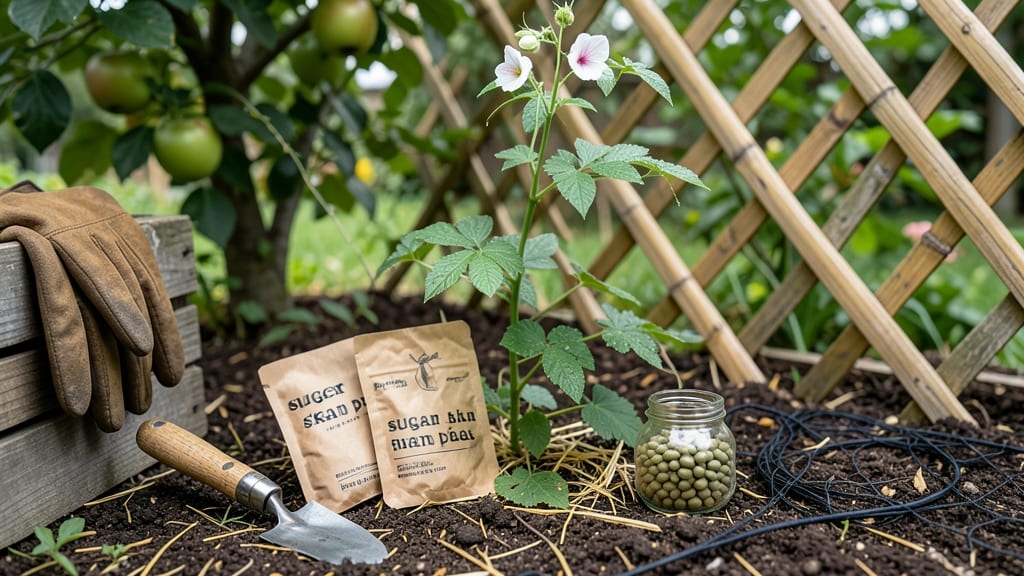
Planting sugar snap peas in Zone 8 at the wrong time means they bolt before you even get a harvest—so timing is everything for crisp, sweet pods.
These cool-weather lovers 🌱 hate summer heat, which is why fall and early spring are your only shots at success. But here’s the catch: Southern California’s mild winters let you plant later than Georgia’s frost-prone hills.
I’ll break down the exact weeks to sow for zero-frost failures, plus how to stretch your season with shade and companion plants.
You’ll also learn why soil temperature matters more than calendar dates, how to spot the ideal planting window in your microclimate, and the one mistake that kills 90% of Zone 8 snap pea gardens.
By the end, you’ll have a clear schedule—no guesswork—so your vines produce pods from November to May without a single wasted seed.
Best planting weeks for sugar snap peas in Zone 8 (with frost-free timing)
Sugar snap peas (Pisum sativum) love cool weather but struggle when temperatures climb above 85°F (29°C). In Zone 8, timing is everything—plant too early, and you risk heat stress; too late, and frost zaps your harvest.
The sweet spot? Fall and early spring when soil temps hover between 40-75°F (4-24°C). Let’s break down the exact weeks to plant for maximum yield, including how to adapt for your local microclimate.
Zone 8 spans diverse regions—from Southern California’s mild winters to Georgia’s humid summers. While the general rule is to plant 4-6 weeks before the first frost, your exact timing depends on whether you’re in a coastal (cooler) or inland (hotter) area.
Coastal gardeners can push planting slightly later, while inland areas should start earlier to avoid summer heat. For most of Zone 8, that means late summer to early fall and late winter to early spring.
| Planting Window | Optimal Weeks | Soil Temp | Frost Risk | Method |
|---|---|---|---|---|
| Fall Planting | Late August - Early October | 40-75°F (4-24°C) | Low (after Sept 15) | Direct sow |
| Spring Planting | Late February - Early March | 50-70°F (10-21°C) | None (post-last frost) | Direct sow or transplant |
| Late Summer Backup | Mid-July (coastal only) | 60-75°F (15-24°C) | High (use shade) | Direct sow + shade |
For fall planting, aim to sow seeds 8-10 weeks before your first frost date. In most of Zone 8, that’s late August to early October. If you’re in Southern California (Zone 8a), you can extend this to mid-October—just monitor soil temps.
Use a soil thermometer to confirm temps stay below 80°F (27°C) during the day. If temps creep higher, opt for shade cloth (30-50%) to protect young plants.
Spring planting in Zone 8 starts 2-3 weeks before your last frost date, typically late February to early March. Transplanting young seedlings can give you a 2-week head start, but direct sowing is easier and just as effective.
If you’re in Georgia or the Carolinas (Zone 8b), wait until mid-March to avoid late frosts. Always check your local USDA frost calendar—a 32°F (0°C) frost will kill snap peas overnight.
Direct sowing is the best method for sugar snap peas—they hate transplant shock. Scatter seeds 1 inch deep and 2 inches apart in rows 18 inches apart. Thin seedlings to 4 inches apart once they’re 3 inches tall. If you’re using transplants, choose hardy varieties like 'Sugar Sprint' or 'Oregon Sugar Pod', which tolerate slight heat better than others. Plant them deeply (up to the first true leaves) to encourage strong root growth.
Zone 8’s microclimates can drastically alter your success. Inland areas like Phoenix or Albuquerque (yes, they’re Zone 8!) should focus on fall planting only—spring heat will fry your peas.
Coastal areas like San Diego or Savannah can attempt late summer sowings (July-August), but use 50% shade cloth and daily watering to prevent wilting. Always test your soil—snap peas thrive in pH 6.0-7.0 and well-draining soil with 2-3 inches of compost mixed in.
Pro tip: Use succession planting to extend your harvest. Sow a second batch 2 weeks after your first planting in fall, or every 10 days in spring for a continuous supply. Pair your snap peas with <
How to extend your sugar snap pea season in hot Zone 8 climates
Zone 8’s summer heat can turn sugar snap peas into sad, wilted vines—but with the right strategies, you can enjoy crisp harvests well beyond the traditional spring window. The key is cool-season extension using shade, timing, and smart companion planting.
I’ve grown sugar snaps in Southern California’s Zone 8 for years, and these methods have kept my vines thriving even when temps hit 90°F.
First, understand that sugar snap peas hate heat—their ideal temperature range is 50-70°F. When daytime highs exceed 85°F, growth slows, flowers drop, and pods turn tough.
But by combining succession planting, shade solutions, and cool-loving companions, you can push your harvest into late fall or even early spring.
- 🌱 Plant in late summer (early August) for fall harvest—this avoids peak summer heat while still giving vines 6-8 weeks to mature before frost.
- 🌿 Use 30-50% shade cloth during 10 AM–4 PM to drop temps by 10-15°F—critical for pods to stay sweet and crisp.
- 🌡️ Succession plant every 2 weeks from August through October, staggering rows to ensure continuous harvests as older plants mature.
For shade, I swear by white shade cloth—it blocks harmful UV rays while still allowing 30-50% light penetration. Install it on a trellis frame to create a mini greenhouse effect. Pair this with drip irrigation in the morning to keep soil temps cool and roots hydrated.
Pro tip: Water only the soil, not the leaves, to prevent fungal issues like powdery mildew.
Companion plants are your secret weapon. Radishes and lettuce thrive alongside sugar snaps, their shallow roots breaking up compacted soil while their leafy canopies provide natural shade. Avoid planting near onions or garlic, though—their strong scent can stunt pea growth.
I also interplant bush beans to fix nitrogen in the soil, giving my peas a nutrient boost as summer fades.
Fall planting requires a 3-step checklist to ensure success: 1. Test soil pH (aim for 6.0-7.0) and amend with compost if needed. 2. Sow seeds 1 inch deep, 2-3 inches apart, with rows 18 inches apart for trellis support.
3. Mulch heavily with straw to retain moisture and regulate soil temperature—this is non-negotiable in Zone 8’s dry heat.
With these tactics, I’ve harvested sugar snaps in mid-November—long after most gardeners in my area have given up. The trick is staying ahead of the heat while working with your climate’s natural cooling trends.
Start small, experiment with one method at a time, and soon you’ll be enjoying fresh pods when others are dreaming of spring planting. 🌱