
Plants
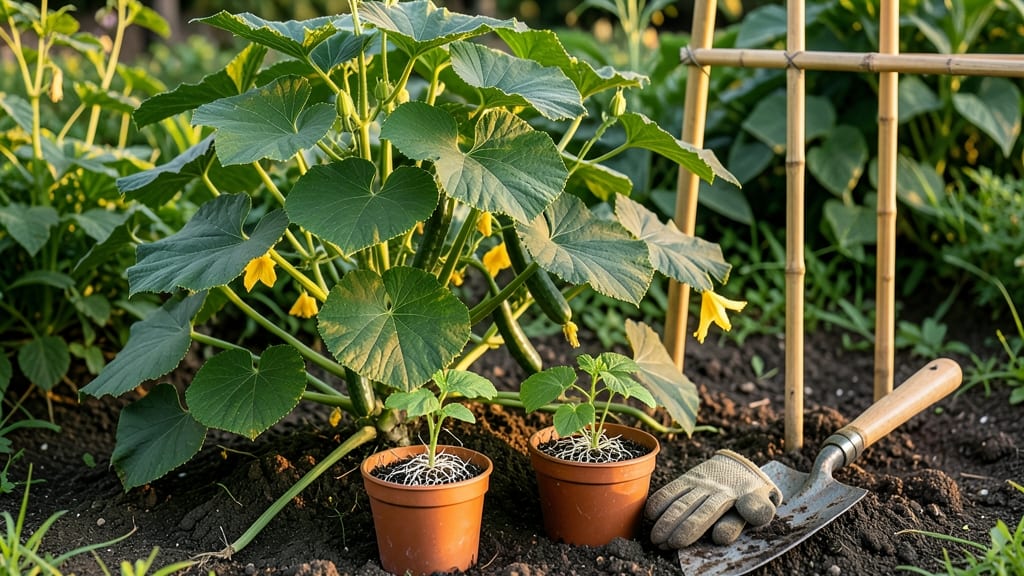
Planting cucumbers in Zone 7b at the right time ensures a thriving harvest 🥒 — and missing the window can mean withering vines or stunted fruit.
If you’ve ever watched your cucumbers bolt in the heat or shrivel under a late frost, you know timing is everything. The key? Waiting until soil temperatures hit at least 60°F and all frost risk has passed.
In Zone 7b, that means aiming for mid-April to early June, depending on your last frost date and whether you’re direct-sowing seeds or transplanting starts. Too early, and frost will kill tender seedlings; too late, and the heat arrives before fruit sets.
Below, I’ll walk you through the exact soil temperature triggers, planting windows, and pro tips to maximize your yield—plus how to adjust for early or late starts without sacrificing your harvest.
Exact soil temperature triggers for planting cucumbers in Zone 7b
Cucumbers thrive when planted in warm soil, but timing is critical in Zone 7b to avoid frost damage or stunted growth. The ideal soil temperature for planting depends on whether you're sowing seeds or transplanting seedlings.
For direct-seeded cucumbers, wait until the soil reaches at least 50°F, while transplants need 60°F+ soil to establish roots quickly. These thresholds ensure your plants start strong and avoid the shock of cold soil.
In Zone 7b, last frost dates typically fall around April 15, but soil warms more slowly than air temperatures. I’ve planted cucumbers too early in cool springs and watched seedlings rot in chilly, damp soil.
To avoid this, always check soil temperature with a soil thermometer—it’s the only way to get an accurate reading, since air temperature can be misleading. For example, a sunny 70°F day might still have 45°F soil in the morning.
Soil thermometers are inexpensive and available at garden centers. Insert the probe 2 inches deep—this mimics the depth where cucumber seeds germinate. Test the soil in the morning (7-9 AM) for the most reliable reading, as afternoon sun can artificially warm the top layer. If your soil is below 50°F in spring, consider using black plastic mulch to raise temperatures by 5-10°F and speed up germination.
Here’s a quick reference for Zone 7b soil temperature triggers and their impact on cucumber growth:
In Zone 7b, the window for planting cucumbers is narrow but productive. If you plant seeds after April 30, you’ll miss the earliest harvests but can still expect a late-summer crop.
For transplants, aim for May 15–June 1 to align with soil warming and avoid heat stress later in the season. I’ve found that bush varieties like ‘Bush Champion’ handle late plantings better than vining types, which struggle in 90°F+ temperatures.
To calculate your frost risk, subtract the last frost date (April 15) from the first frost date (November 15) in Zone 7b, giving you 210 frost-free days. Cucumbers need 50–70 days to mature, so planting after June 1 risks harvesting before the first frost.
Use this formula: (Frost-free days – Cucumber days to maturity) = Safe planting window. For example, 210 – 70 = 140 days, meaning you can plant up to mid-May for a full-season harvest.
For container growing, soil warms faster in pots, so you can plant 1–2 weeks earlier than in-ground. Fill containers with well-draining potting mix and place them on black plastic to raise soil temperature.
Monitor pots closely, as they dry out faster and can overheat. I’ve successfully grown cucumbers in 5-gallon containers on my patio, harvesting smaller but prolific fruits all summer long.
If your soil is too cold to plant, try starter pots with bottom heat mats (set to 70°F) to jumpstart germination. Once seedlings emerge, transplant them into the garden when soil reaches 60°F.
This two-step process buys you 2–3 weeks of flexibility in cool springs. Just be sure to harden off seedlings for 7–10 days before moving them outdoors to avoid transplant shock.
Finally, pay attention to microclimates in your garden. South-facing beds warm up faster than north-facing ones, so plant cucumbers there first. Raised beds also heat up quicker and drain better, making them ideal for early plantings.
In my garden, the raised bed near the fence hits 60°F by late April, while the in-ground bed lags until mid-May. Test multiple spots to find the warmest soil in your space.
By following these soil temperature triggers and adjusting for your garden’s conditions, you’ll maximize your cucumber harvest in Zone 7b. The key is patience—waiting for the right moment ensures healthy plants and a bountiful, disease-free crop. 🌱
Best planting timeline for Zone 7b: weeks before/after last frost date
In Zone 7b, where the last frost date typically falls around April 15 and the first frost arrives by November 15, you’ve got about 100–120 frost-free days to grow cucumbers.
Timing is everything—plant too early, and frost will kill tender seedlings; too late, and your harvest shrinks before the season ends. The key is balancing soil warmth, frost risk, and your cucumbers’ 50–70-day maturity.
For direct sowing, wait until the soil reaches 50°F+ and stays consistently above 60°F. This usually aligns with mid-April to early May in most Zone 7b regions.
If you’re using transplants, you can start slightly earlier—around late March to early April—once nighttime temperatures stay above 45°F. Hardening off seedlings for 7–10 days before transplanting is non-negotiable in this zone’s unpredictable spring swings.
- 1 4–6 Weeks Before Last Frost (Mid-March): Start transplants indoors or order seedlings. Use grow lights if natural light is limited.
- 2 2–3 Weeks Before Last Frost (Late March): Harden off seedlings outdoors during the day. Test soil temperature—it should be 50°F+ for direct sowing.
- 3 1 Week After Last Frost (Mid-April): Direct sow seeds or transplant hardened-off seedlings. Use black plastic mulch to warm soil faster.
- 4 June 1–July 1 (Succession Planting): Sow second crop for late-summer harvest. Use row covers to extend season if nights dip below 50°F.
- 5 August (Last Chance): Plant fast-maturing varieties (e.g., 'Bush Champion') for a small harvest before frost. Protect with frost blankets if temps drop.
Zone 7b’s 100–120 frost-free days are tight for cucumbers, so succession planting is your secret weapon. After your first harvest in June or July, sow a second round of seeds every 2–3 weeks until mid-August.
This stretches your harvest into September and maximizes your garden space. Just be prepared to use row covers or cold frames to shield young plants from unexpected late frosts.
If you’re growing cucumbers in containers, start seeds indoors 3–4 weeks earlier than your outdoor timeline. Move pots outdoors only after soil and air temperatures are consistently warm. Containers heat up faster, so monitor moisture closely—drought stress is a common issue in Zone 7b’s summer heat.
Place containers in full sun and use self-watering systems to keep roots happy.
Don’t forget: late-season plantings in Zone 7b require extra care. If you’re still growing cucumbers in August or September, watch for heat stress and powdery mildew. Use shade cloth during peak afternoon sun and space plants 12–24 inches apart for airflow.
With the right timing and a little protection, you can enjoy homegrown cucumbers well into fall’s first frost.
Pro tip: Keep a garden journal to track your Zone 7b planting dates. Note when soil warms up, how long it takes for seeds to sprout, and when your first harvests appear.
Over time, you’ll fine-tune your timeline to match your microclimate—because even in Zone 7b, not all gardens are created equal.