
Plants
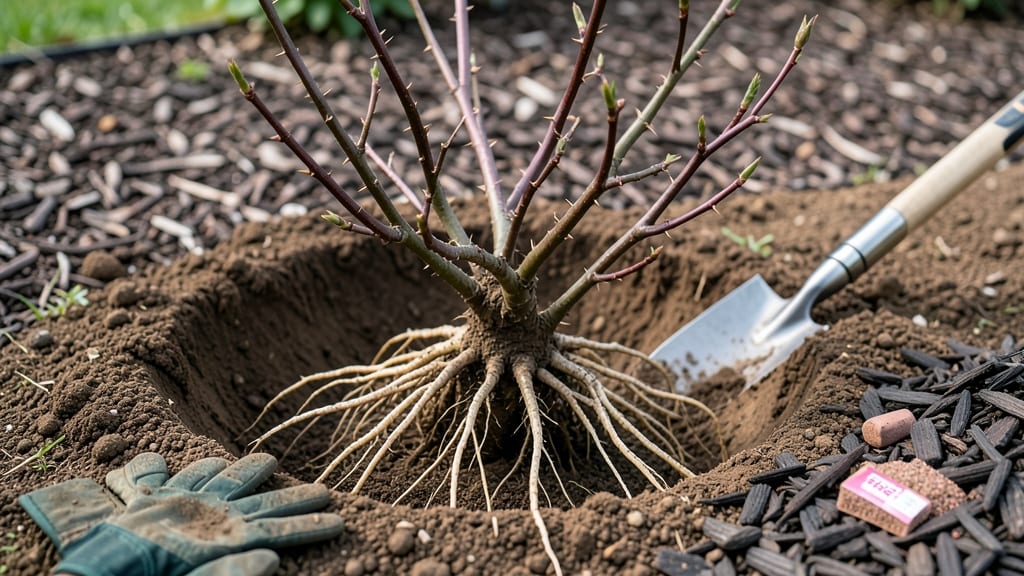
Planting roses in Northern California between November and March gives them the best shot at thriving blooms 🌹—but timing matters more than you think.
Northern California’s diverse microclimates—from coastal fog to inland heat—can make or break your rose planting success. Plant at the wrong time, and your prized blooms may struggle to take root, especially in USDA zones 8a-9b where frost and soil temperatures shift dramatically.
Whether you’re in the Bay Area, Sacramento Valley, or the Sierra foothills, the key is planting when the soil cools and the risk of late frosts drops. Bare-root roses, in particular, need that winter chill to establish strong roots before spring growth.
Below, I break down the exact months for each region, soil prep tips, and how to adjust if your season runs late or early—so your roses bloom like they’re in a botanical garden, not a struggle.
Best planting months for roses by Northern California microclimate
Northern California’s diverse microclimates create unique challenges for rose gardeners. Coastal areas stay cooler and foggier, while inland valleys experience hotter summers and colder winters. To succeed, you’ll need to plant roses during their optimal dormancy window—when soil temperatures are cool but not frozen, and frost risks are minimal.
This timing ensures roots establish before spring’s rapid growth.
Bare-root roses are the preferred choice for winter planting, as their exposed roots allow quicker adaptation to soil conditions.
Container-grown roses can be planted slightly later, but they require more frequent watering during establishment. Soil temperature is your best indicator: aim for 40-50°F (4-10°C) at 6 inches deep, which aligns with Northern California’s winter months.
Here’s how to match your local microclimate with the perfect planting window, including frost risk factors and soil prep tips for each region:
For coastal regions, like San Francisco and Monterey, the mild winters allow planting as early as November. The Bay Area extends this window slightly later due to occasional frost, but 'Dr. Huey' roses thrive here even in cooler microclimates.
Inland areas like the Sacramento Valley demand patience—wait until December to avoid frost damage to tender roots.
The Sierra foothills present the greatest challenge, with frost lingering into March. Plant only after the ground thaws and soil warms to 40°F (4°C).
Use black plastic mulch to accelerate soil warming if needed. These regions benefit from cold-hardy varieties like 'Iceberg' or 'Double Delight', which tolerate brief freezes.
Regardless of your microclimate, always amend soil with compost before planting. Roses prefer well-draining, slightly acidic soil (pH 6.0–6.5). In heavy clay soils common to the Sacramento Valley, mix in sand or perlite to improve drainage.
Coastal areas often have sandy soil, so add organic matter like peat moss to retain moisture.
After planting, water deeply to settle soil around roots, then mulch with 3–4 inches of wood chips to protect roots from temperature swings. In coastal foggy zones, reduce watering slightly to prevent fungal diseases like black spot.
Inland areas may need drip irrigation to maintain consistent moisture during dry spells.
Timing isn’t just about the calendar—it’s about soil conditions. Use a soil thermometer to confirm temperatures before planting. If soil is too cold (<35°F/2°C), roots won’t establish, leading to stunted growth or death. Patience pays off: roses planted in late winter often outperform those rushed in fall.
Pro tip: Mark your planting dates on a calendar and note any unusual weather patterns. Northern California’s microclimates shift yearly—what worked in
How to adjust planting timing for late or early seasons
If your Northern California season runs late or early—thanks to unpredictable weather—don’t panic. With the right adjustments, you can still plant roses successfully outside the November-March window. The key is understanding how to extend your planting season while protecting young roots from extreme temperatures.
For early-season planting (before November), focus on soil preparation and mulching techniques to shield roots from heat. If planting late-season (after March), prioritize cold-hardy rose varieties and frost protection methods. Both approaches require careful planning to ensure your roses establish strong roots before stress sets in.
- 1 Test soil temperature before planting—ideal range is 40-50°F. Use a soil thermometer to avoid heat stress in early plantings or frost damage in late ones.
- 2 Amend soil with compost or aged manure to improve drainage and fertility. Roses thrive in well-draining soil with a pH of 6.0-6.5.
- 3 Choose cold-hardy varieties like 'Knock Out' roses or 'Dr. Huey' roses, which tolerate 20-25°F temps. These are ideal for late-season plantings.
- 4 Apply 3-4 inches of mulch (straw or wood chips) to insulate roots. Mulch retains moisture and regulates soil temperature, critical for off-season plantings.
- 5 Use frost cloth or row covers for late-season plantings. These protect young roses from unexpected frosts without smothering them.
- 6 Water deeply before and after planting to reduce transplant shock. Aim for 1-1.5 gallons per plant in the first week.
For early-season adjustments, plant container-grown roses instead of bare-root varieties. Container-grown roses have an established root system, making them more resilient to warm soil temperatures. Pair this with shade cloth to protect young plants from intense summer heat until roots establish.
If you’re planting late-season roses, opt for bare-root varieties and plant them in early April at the latest. Use a root stimulator to encourage root growth before the first frost. Monitor weather forecasts and have frost protection ready, like row covers or a cloche, to safeguard your investment.
Remember, roses planted outside the ideal window still need consistent care. Mulch heavily, water deeply, and avoid fertilizing until new growth appears. With these adjustments, your off-season roses can thrive just like those planted in the perfect timing 🌹.