
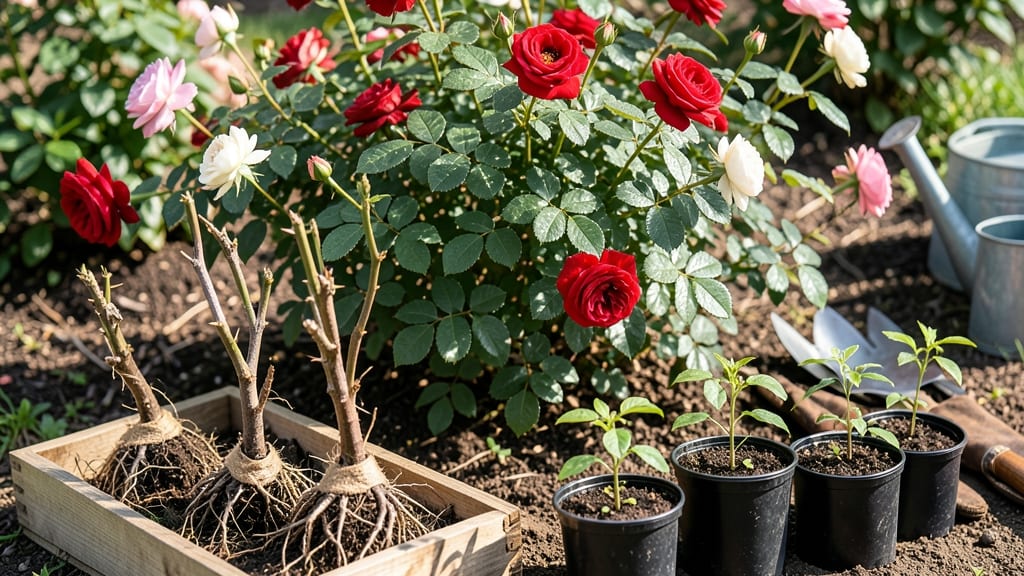
When to Plant Roses in Phoenix: Avoid Scorching Heat with These Exact Months

Plants

When to Plant Roses in Phoenix: Avoid Scorching Heat with These Exact Months

Planting roses in Phoenix during the cooler months—November through March—gives them the best shot at thriving in the desert’s extreme heat.

Phoenix’s brutal summer heat can turn rose planting into a high-stakes gamble—get the timing wrong, and your delicate blooms will wilt before they even sprout. But with the right strategy, you can grow stunning 🌹 roses year-round in the Valley of the Sun.

Most gardeners in USDA Zone 9b know that summer planting is a recipe for failure, but the key lies in understanding how microclimates vary across the city. Whether you’re in a desert-adapted neighborhood or an urban heat island, the right planting window makes all the difference.

Below, I’ll break down the exact months to plant, how to prep your soil for Phoenix’s alkaline conditions, and the heat-tolerant varieties that will keep blooming even when temperatures soar.

🌹 When to Plant Rose
Jan 🌹
Feb 🌹
Mar 🌹
Apr 🌱
May 🌸
Jun ☀️
Jul ☀️
Aug ☀️
Sep 🍂
Oct 🌱
Nov 🌹
Dec 🌹
Ideal Time
Also Good

Best months to plant roses in Phoenix: avoiding extreme heat

Phoenix’s desert climate makes timing everything when planting roses. The triple-digit summer heat (105°F+ in July) can fry young roots, while cool winter days (50-65°F) create perfect growing conditions.

My 10+ years growing roses here taught me: plant when temperatures stay below 85°F—any hotter, and your roses will struggle to establish before the heat stress kicks in.

Most gardeners in Phoenix avoid planting between May and September entirely. Instead, we focus on fall, winter, and early spring when the soil stays cooler and humidity is lower.

Even heat-tolerant varieties like 'Knock Out' roses need 6-8 weeks to root before summer hits. That means November through March are your golden windows—but not all months are equal.

Here’s the month-by-month breakdown I’ve perfected for my Phoenix garden, including temperature thresholds and microclimate adjustments for urban vs. desert areas.

Month Ideal Temp Range (°F) Planting Window Notes for Phoenix
November 60-75°F Best time Soil temps drop; minimal heat stress
December 55-70°F Excellent Cooler nights; roots establish fast
January 58-72°F Great Avoid frost pockets in urban areas
February 62-78°F Good Watch for early heat spikes
March 70-85°F Last chance Plant early March; mulch heavily
April 80-90°F Risky Only for shade-tolerant varieties
May-Sept 95-110°F Avoid Extreme heat; high transplant shock
October

How to prepare your Phoenix garden for rose planting success

Phoenix’s alkaline desert soil and intense summer heat demand special preparation before planting roses. Without the right adjustments, your roses will struggle to establish roots and may fail to bloom. The key is creating an environment that mimics their natural cooler, moist conditions while adapting to our local climate.

Start by testing your soil’s pH—roses thrive in slightly acidic soil (6.0-6.5), but Phoenix’s native soil often tests much higher.

For bare-root roses, soak the roots in water for 2-4 hours before planting to rehydrate them. This step is critical in our dry climate, as it jumpstarts root growth.

If you’re planting container-grown roses, inspect the roots for circling or compacted growth—these need to be gently teased apart before planting. Both types will benefit from a well-draining but moisture-retentive soil mix, which we’ll create through amendments.

⚠️ Critical Timing Warning for Phoenix Roses

Never plant roses in Phoenix between May and September. Temperatures above 95°F shock roots, causing transplant shock even with perfect soil prep. The ideal window is November through March, when daytime temps stay below 80°F. If you must plant outside this window (e.g., October or April), do so before 9 AM and provide 50% shade cloth for the first 2 weeks.

To amend your soil, mix in 2-3 inches of compost and 1 inch of peat moss or coconut coir to lower pH and improve moisture retention. For heavy clay soils common in urban Phoenix, add sand or perlite to prevent compaction.

Work these amendments into the top 12 inches of soil, creating a nutrient-rich zone where roots can thrive. A slow-release fertilizer (like 5-10-5) mixed into the soil at planting provides essential nutrients without burning tender roots.

Shade is your secret weapon against Phoenix’s summer heat. Install temporary shade cloth (30-50% shade) over newly planted roses for the first 4-6 weeks, especially if planting in late spring or early fall.

For permanent shade solutions, plant fast-growing shrubs like Mexican sunflowers or desert willows on the west side of your rose beds to block afternoon sun. Even 3-4 hours of afternoon shade can reduce heat stress by 15-20°F.

Irrigation hacks are non-negotiable in Phoenix. Use drip irrigation or soaker hoses to deliver water directly to the root zone, reducing evaporation. Water deeply 2-3 times per week (1-2 gallons per plant) rather than lightly daily.

For the first 2 weeks post-planting, water daily in the morning to help roots establish. Mulch with 3-4 inches of wood chips or straw to retain moisture and regulate soil temperature—this can cut water needs by 30%.

Finally, monitor your roses’ root temperature during extreme heat. Use a soil thermometer to ensure roots stay below 85°F. If temps rise above this, provide additional shade or use reflective mulch (like aluminum foil under black plastic) to deflect heat.

With these prep steps, your roses will establish strong roots and reward you with vibrant blooms year-round, even in the desert.

★★★★★4.5(13 reviews)
Categories Plants