
Plants
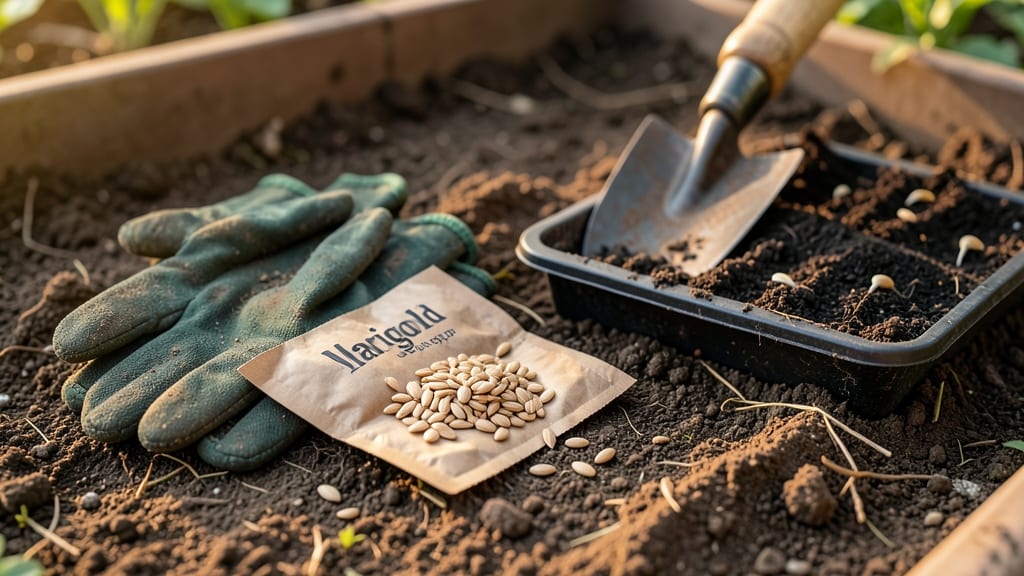
Plant marigold seeds in Texas between February and March for spring blooms or August to September for a fall display, timing that avoids the brutal summer heat while letting them establish before winter.
Texas gardeners know timing is everything—plant marigold seeds too early, and they’ll bolt in the heat; too late, and they’ll struggle to establish before winter. But with the right heat-resistant varieties and precise planting windows, you can enjoy vibrant blooms all season long.
In North Texas, where frost lingers until mid-February, aim for early March sowing, while South Texas gardeners can start as early as January. The key is planting 2-3 weeks before your last frost date to give seedlings a head start without exposing them to extreme heat.
Once planted, marigolds thrive with full sun and moderate watering, but the real secret is choosing the right varieties. Below, I’ll break down the best heat-resistant types, regional planting schedules, and common mistakes to avoid—so you can grow a marigold patch that outshines the rest.
Best months to plant marigold seeds in Texas (by region)
Texas's diverse climate means marigold planting windows vary dramatically from North Texas to South Texas. In Dallas/Fort Worth, last frost typically arrives around February 15, while Houston/Corpus Christi can plant as early as January 1.
These differences create ideal spring and fall planting opportunities tailored to each region's heat and frost patterns.
Marigolds thrive in warm soil (above 60°F) and full sun. Planting too early risks bolting from heat stress, while late planting may not yield blooms before winter. Heat-resistant varieties like 'Bonanza' or 'Tangerine Gem' extend your planting window by 2-3 weeks compared to standard types.
For direct sowing, aim for 2-3 weeks before last frost in spring or 6-8 weeks before first frost in fall. Transplants can go in 1-2 weeks earlier since they establish faster. South Texas gardeners can even sow fall marigolds in August for late-season color.
| Region | Spring Planting Window | Fall Planting Window | Last Frost Date | First Frost Date |
|---|---|---|---|---|
| North Texas (Dallas/Fort Worth) | February 15 - March 15 | September 1 - September 30 | February 15 | December 1 |
| Central Texas (Austin/San Antonio) | February 1 - March 10 | August 15 - September 20 | January 31 | November 15 |
| South Texas (Houston/Corpus Christi) | January 1 - February 15 | August 1 - August 31 | January 1 | November 1 |
North Texas gardeners should start seeds indoors in January for transplanting after last frost. Central Texas offers the most flexibility with two clear planting seasons, while South Texas can extend fall planting into early September for winter color. Always test soil temperature—marigolds won't germinate below 60°F.
For direct sowing outdoors, prepare beds with well-draining soil and compost. Plant seeds ¼ inch deep, spacing them 12-18 inches apart for dwarf varieties or 24 inches apart for tall types. Mulch lightly to retain moisture during Texas's hot afternoons.
In Central Texas, August planting requires shade cloth during peak heat (100°F+). South Texas gardeners can push fall planting to early October but must protect seedlings from hurricane winds with stakes or cages. Always water deeply after planting to encourage root growth.
Marigolds self-seed readily in Texas's mild winters. If you miss the ideal window, try container growing—pots can be moved to shadier spots during summer heat. Heat-resistant varieties like 'Heatwave' or 'Crackerjack' perform best in 100°F+ temperatures that would stress other flowers.
Remember: Texas marigolds bloom best with consistent moisture but hate soggy soil. Use drip irrigation to deliver water directly to roots while avoiding fungal issues. Deadhead spent blooms to encourage continuous flowering through fall frosts.
With these region-specific timelines, you'll enjoy vibrant marigold blooms from spring through fall—even in Texas's harshest heat. Start planning now to beat the rush and secure your favorite varieties!
Top 5 heat-resistant marigold varieties for Texas gardens
If you're battling Texas heat like I am, you need marigolds that won't wilt under 100°F+ temperatures. These top 5 varieties thrive in our brutal summers while offering long bloom seasons and pest resistance.
My garden's French marigolds and African marigolds have become my go-to choices for their resilience.
The key to success in Texas is selecting varieties with high heat tolerance and drought resistance. These plants won't just survive—they'll thrive while repelling nematodes and attracting pollinators. Let's dive into the best performers that have earned my top recommendations for Lone Star State gardens.
🌡️ Heat & Drought Performance
At the top of my list is the Bonanza Series, particularly 'Bonanza Gold' and 'Bonanza Orange'. These French marigolds reach 2-3 feet tall with double blooms that keep producing from spring until frost. Their compact growth habit makes them perfect for Texas heat and drought conditions.
For a bold statement in your garden, 'Jolly Tall' is my #2 pick. This African marigold grows 3-4 feet tall with large, fiery blooms that thrive in full sun.
Its deep root system helps it withstand Texas droughts better than most varieties. I've seen these bloom continuously from April through November with minimal care.
The 'Tangerine Gem' variety deserves special mention for its dwarf size (12-18 inches) and heat tolerance. These French marigolds are perfect for container gardens and border plantings, producing bright orange blooms that repel pests naturally.
Their compact form makes them ideal for small spaces while still handling Texas heat like a champ.
If you're looking for long-lasting color, 'Gold Rush' is my #4 choice. This African marigold features golden-yellow blooms that continue flowering even when other plants fade in summer.
Its taller stature (2-3 feet) makes it great for back-of-bed plantings or as cut flowers. The variety's disease resistance is another plus for Texas gardens.
Rounding out the list is 'Crackerjack', a French marigold with bright orange blooms that thrive in heat and repel nematodes. This 18-inch variety is perfect for interplanting with vegetables or edging garden beds.
Its prolific blooming and drought tolerance make it a workhorse in my Texas garden. 🌼