
Plants
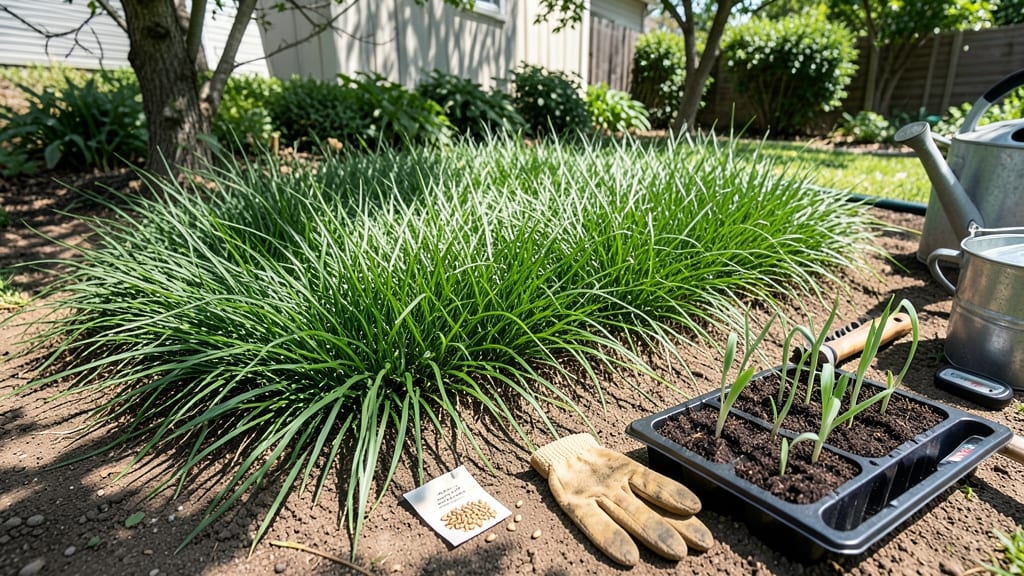
To plant Bermuda grass seed in North Texas, aim for mid-April to mid-May or late August to early September when soil temperatures hit 65°F or warmer 🌱—timing this right means the difference between a thick lawn and wasted effort.
Picture this: you’ve spent hours prepping the soil, only to watch your seed bake under June’s relentless sun or freeze in a late spring chill. That’s why the two-week window before your last frost (around March 15 in Zone 8a) is your golden opportunity.
North Texas’s brutal summers and unpredictable springs make timing critical. Plant too early, and frost zaps your seedlings. Too late, and the heat dries them out before they take root. The key? Matching the seed’s aggressive growth cycle with the region’s climate quirks.
In this guide, I’ll break down the exact planting calendar, soil prep secrets, and how to outsmart North Texas’s heat and drought—so your Bermuda grass spreads fast and stays vibrant all season.
North Texas Bermuda grass planting calendar: exact weeks before last frost for optimal germination
Timing your Bermuda grass planting in North Texas is all about beating the heat—not avoiding it. Unlike cool-season grasses, Bermuda thrives in 90°F+ temperatures, but seeds need 65°F+ soil to germinate.
Planting too early risks frost damage, while waiting too long means missing the optimal 6–8 week window before summer’s brutal heat sets in permanently.
North Texas spans USDA Zones 8a–8b, where the average last frost falls between March 15–April 15. However, your exact planting window depends on whether you’re in Dallas-Fort Worth (warmer, earlier windows), Austin (longer growing season), or Waco (shorter, hotter summers).
Let’s break it down by region and soil temperature thresholds.
| Region | Last Frost Date | Optimal Planting Window | Soil Temp Threshold | Weeks Before Last Frost |
|---|---|---|---|---|
| Dallas-Fort Worth | March 20–April 5 | Mid-April to early May | 65°F+ (consistently) | 4–6 weeks |
| Austin | March 15–April 1 | Late March to mid-April | 65°F+ (earlier than DFW) | 6–8 weeks |
| Waco | March 25–April 10 | Early to mid-April | 65°F+ (later than Austin) | 3–5 weeks |
| All Regions (Fall) | November 1–15 | Late August to early September | 70°F+ (soil) | 8–10 weeks before first frost |
For spring planting, aim to seed 4–8 weeks before your area’s last frost date. Use the USDA Plant Hardiness Zone Map to find your exact date, then count backward.
For example, if your last frost is April 1, plant by March 15 to ensure germination before summer heat peaks. Soil thermometers are your best friend—wait until readings hit 65°F for 3 consecutive days.
North Texas’ late spring (May–June) can trick you into thinking it’s safe to plant, but by June 1, soil temperatures often exceed 85°F, which can scorch seeds before they sprout.
Instead, consider fall planting in late August–early September, giving seeds time to establish roots before winter dormancy. This method often yields thicker, more drought-resistant lawns by the following summer.
Regional microclimates play a huge role. Austin’s longer growing season lets you plant 2 weeks earlier than Dallas, while Waco’s shorter window demands faster germination. If you’re in a hotter microclimate (like near I-35 corridors), prioritize shade cloth or early morning watering to protect seedlings.
Pro tip: Check your local AgriLife Extension office for hyper-local frost data—their records often differ from USDA averages by 1–2 weeks.
Don’t rely on calendar dates alone—soil temperature is the real decider. Bury a soil thermometer 4 inches deep and monitor daily. If temps dip below 60°F at night, delay planting. Early spring (March) is risky unless you’re in Austin’s Zone 8b, where warmer microclimates allow 6–8 week windows.
For Dallas (Zone 8a), stick to April–May to avoid late frost surprises.
Once you’ve nailed your planting window, prep the soil by tilling 4–6 inches deep and amending with compost or sand if your soil is clay-heavy. Bermuda grass hates competition, so remove all existing vegetation (including weeds) before seeding.
After planting, water daily for 2–3 weeks to keep the top 1–2 inches of soil moist—this is critical for germination rates in North Texas’ dry springs.
If you miss the spring window, don’t despair—fall planting (late August–early September) is your backup plan. Bermuda grass enters dormancy in winter, so seeds planted in fall will spread aggressively come spring.
Just ensure soil temps stay above 70°F for 4+ weeks post-planting. This method works best in Waco and DFW, where summer heat can stress seedlings if planted too late.
Remember: Bermuda grass spreads via stolons, not just seeds. Planting at the right time ensures a dense, self-repairing
5 Critical factors that determine your Bermuda grass planting success in North Texas
Timing your Bermuda grass planting right is just the first step—North Texas' alkaline soil and intense summer heat demand extra attention to create the perfect growing conditions.
I’ve planted Bermuda grass here for years, and I can tell you: skipping soil prep or underestimating water needs will leave you with patchy, weak growth that struggles to compete with weeds. Let’s break down the 5 non-negotiable factors that separate a thriving lawn from a failed experiment.
First, soil pH is your foundation. Bermuda grass thrives in a 6.0–7.0 range, but North Texas soil often tests higher—sometimes as acidic as 5.5 or as alkaline as 8.0. I’ve seen lawns fail spectacularly because the homeowner assumed their soil was “fine” without testing.
Grab a soil test kit (or send a sample to the Texas A&M AgriLife Extension) and adjust with lime (to raise pH) or sulfur (to lower pH) 4–6 weeks before planting.
Next, moisture management is where most gardeners trip up. Bermuda grass seeds need consistent moisture to germinate, but overwatering can drown them just as easily as underwatering can kill them.
I recommend daily watering for the first 2–3 weeks—that’s ¼ inch per day—to keep the top ½ inch of soil evenly damp. Relying on North Texas rain alone is a gamble; even our “wet” months can deliver spotty showers that leave seeds high and dry.
Don’t overlook sunlight exposure—this is a dealbreaker for Bermuda grass. It’s a sun-worshipper that needs 6+ hours of direct sunlight daily. I’ve seen homeowners plant Bermuda in shady backyards and then wonder why their lawn looks like thin, straw-colored carpet.
If your yard has partial shade, consider a shade-tolerant grass mix instead.
Pre-planting soil prep is another area where cutting corners backfires. I always till 4–6 inches deep to break up compacted soil, which is common in North Texas due to heavy foot traffic and clay-heavy soil.
Mix in compost for organic matter and sand if your soil is too dense. Skipping this step means your seeds will struggle to establish roots and compete with weeds.
Finally, fertilizer ratios matter more than you think. Bermuda grass loves high-nitrogen fertilizer to fuel its rapid growth, but the timing is critical. I recommend applying a 16-4-8 or 30-0-4 blend 2 weeks before planting to jumpstart root development, then again 4 weeks after to encourage dense, spreading growth.
Avoid over-fertilizing early on—it can burn young seedlings.
Remember, Bermuda grass is a tough, heat-loving grass, but it won’t thrive if you ignore these 5 critical factors. Master them, and you’ll have a lush, green lawn that outcompetes weeds and survives North Texas summers like a champ. 🌱