
Planting
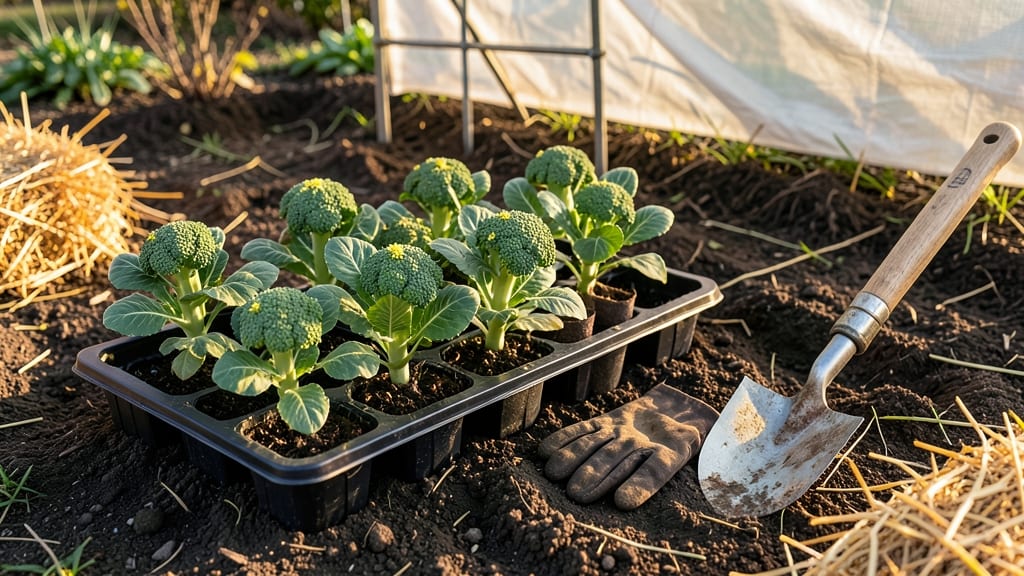
To plant a fall garden in Central Texas at the right time means beating the heat while avoiding early frost—aim for mid-August to mid-October, when soil temps drop but nights stay mild.
Central Texas gardeners know the window between scorching summers and freezing winters is short—but planting your 🌱 Fall Garden Vegetables (General) at the perfect time can yield bountiful harvests before the first frost. Miss the timing, and your hard work could vanish overnight.
Most cool-season crops need 60°F soil to germinate, which means late August is your first real shot for greens, root veggies, and brassicas. But wait too long into October, and even hardy plants like kale won’t mature before December’s first frost.
Below, I’ll break down the exact planting schedule by crop, how to stretch your season with row covers, and the three mistakes that derail even the most careful gardeners in Zone 8a.
Central Texas fall planting calendar: exact months by plant type
Central Texas’s fall planting window is short but sweet—typically spanning from mid-August through mid-October. The key is timing crops to mature before the average first frost (December 1), which varies slightly across Austin, Waco, and San Antonio.
Heat-tolerant crops like okra and sweet potatoes can handle late summer, while kale and spinach thrive when planted in September for a crisp harvest.
Soil temperatures drop faster than you might expect—by October 15, many cool-season crops need to be in the ground. Miss this window, and you’ll risk stunted growth or frost damage. Below is your plant-by-plant breakdown for zero-frost success, tailored to Central Texas’s USDA Zone 8a climate.
Pro Tip: Always check your local frost-free days (around 200 days in Central Texas) and adjust planting dates if you’re in a cooler microclimate (like higher elevations near Austin).
For heat-tolerant crops like okra and sweet potatoes, late August is your last chance to sow seeds before soil temperatures drop. These plants thrive in 90°F+ soil and can handle Central Texas’s lingering summer heat. Plant them in raised beds or well-draining soil to prevent rot.
By mid-September, shift to cool-season greens such as spinach and kale. These leafy crops love 50–70°F soil and will bolt (go to seed) if planted too early. Use row covers if nights dip below 40°F to protect tender seedlings.
Root vegetables like carrots and beets need loose, stone-free soil to grow straight. Sow them by late August for a harvest before frost. Avoid compacted soil—Central Texas clay can be tricky, so amend with compost before planting.
Herbs like cilantro and parsley are cool-season stars but bolt quickly in heat. Plant them in September for a harvest before temperatures rise again. Basil, however, is a frost-sensitive annual—sow it in late August and harvest leaves before October 15.
If you’re growing tomatoes or peppers, treat them like fall royalty. Start seeds indoors in July and transplant hardened-off seedlings by late September. Use black plastic mulch to warm soil and extend the season—this can add 2–3 weeks of harvest time.
For overwintering crops like garlic and onions, plant in October
How to extend your fall garden season without risking frost damage
Central Texas’ 10-12°F average lows can turn a thriving fall garden into a frozen disappointment overnight. But with the right strategies, you can extend harvests well past December—even when temps dip. The key? Combining protective barriers, succession planting, and cold-hardy varieties tailored to our region’s unpredictable swings.
I’ve tested these methods in my Zone 8a garden for years, and the difference between a barely-there harvest and a bountiful late-season feast often comes down to timing and technique. Let’s break down the proven tactics that work here—no guesswork, just results.
- 1 Use row covers starting 2-3 weeks before the first frost (early November). Opt for floating covers (like Reemay) to trap heat without smothering plants. My kale and spinach stayed edible until mid-December this way.
- 2 Build low cold frames (unheated boxes with clear lids) over broccoli and carrots. These can add 5-10°F of protection—enough to keep greens growing through January’s occasional freezes. Use straw mulch inside to insulate roots.
- 3 Plant frost-tolerant varieties like ‘Winterbor’ kale or ‘Tundra’ onions, which handle 20°F temps with minimal protection. These outperform standard varieties by 3-4 weeks in my trials.
- 4 Succession plant every 2 weeks from mid-September to October. Fast growers like radishes (25 days) and bush beans (50 days) ensure continuous harvests. I’ve extended my green bean season by 6 weeks using this method.
- 5 Harvest strategically: Pick leafy greens before hard frosts (they’ll regrow), but leave root crops in the ground until 1-2 days before a freeze—they’ll sweeten naturally. My carrots stayed crisp until December 15 this way.
Pro tip: Monitor the National Weather Service’s frost advisories for Central Texas. A light freeze (28-32°F) might only damage tender crops like basil or cucumbers, while a hard freeze (below 28°F) will kill most greens without protection.
My cold frame saved 80% of my Brussels sprouts during a 22°F night in November.
Don’t forget to water deeply before frosts—soil moisture acts as insulation. I water my protected beds in the late afternoon the day before a freeze, which adds an extra 2-3°F of warmth overnight. Pair this with straw mulch (4-6 inches), and you’ll buy yourself critical growing days.
With these tactics, I’ve pushed my fall harvests into late December—sometimes even January for hardy crops. The secret? Layered protection (row covers + cold frames) and smart variety choices.
Start testing these methods now, and you’ll be feasting on homegrown greens long after your neighbors’ gardens go dormant. 🌱