
Plants
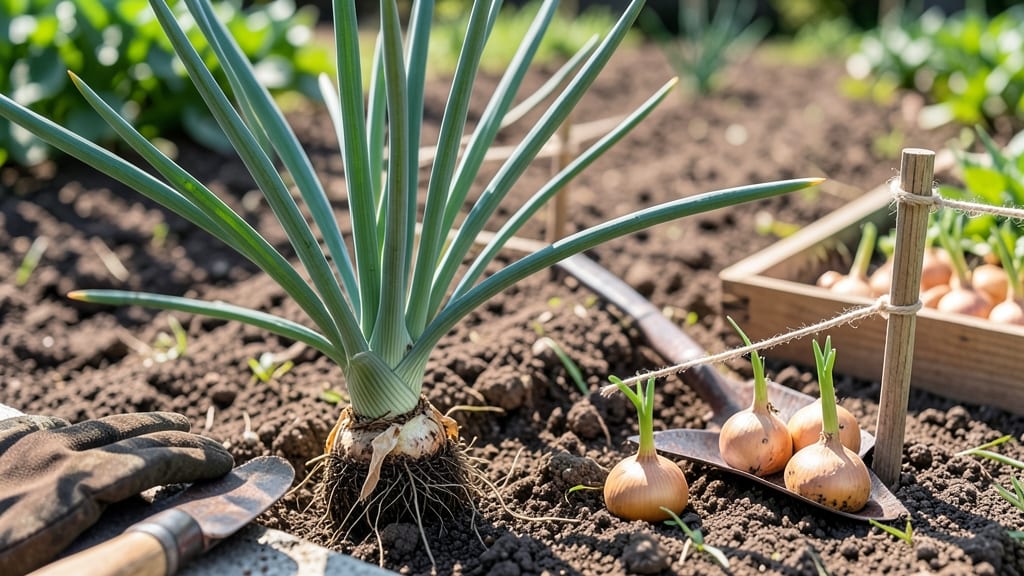
Planting onions in South Texas at the right time means the difference between a bountiful harvest and a bitter disappointment—especially when the heat can trigger bolting before the bulbs even form.
South Texas gardeners know that onions can bolt—or turn bitter—if planted at the wrong time, but timing them right means a bountiful harvest without the stress.
With scorching summers and unpredictable winters, knowing exactly when to plant onions in USDA Zones 9a-10a is the key to success. The ideal windows are September–October for fall planting or January–February for winter, but even a week off can send your crop racing toward flower spikes instead of bulbs.
Below, I break down the heat-tolerant timelines that work in South Texas, how to pick the right varieties, and the simple tricks to keep your onions growing sweet and strong—no matter how hot it gets.
Best planting windows for onions in South Texas: avoiding bolting in extreme heat
South Texas gardeners face a unique challenge with onions—they bolt or turn bitter when exposed to heat spikes above 85°F or inconsistent temperatures. The key to success lies in planting during cooler months when soil temperatures stay between 60°F and 70°F.
This window prevents premature flowering and ensures sweet, flavorful bulbs instead of bitter ones.
Unlike northern climates, South Texas offers two ideal planting windows: fall and winter. The Rio Grande Valley (Zone 10a) and Hill Country (Zone 8b)** have slightly different microclimates, so timing matters.
Planting too early or late can trigger bolting, especially for short-day varieties like 'Texas Early White' or 'Yellow Granex'.
Here’s how to align your planting with South Texas’ regional heat patterns and avoid common pitfalls:
| Planting Window | Best Varieties | Soil Temp Threshold | Microclimate Notes | Row Cover Use |
|---|---|---|---|---|
| Fall (September–October) | Texas Early White, Yellow Granex, Red Creole | 60°F–75°F (ideal) | Rio Grande Valley: Start by mid-September; Hill Country: Wait until late September to avoid early heat. | Use lightweight row covers in November to protect from cold snaps. |
| Winter (January–February) | 1015Y Yellow, Texas Grano, Texas Super Sweet | 55°F–65°F (critical) | Hill Country: Plant by mid-January; Valley: Extend to early February with shade cloth. | Apply black plastic mulch in February to warm soil for faster growth. |
| Avoid Planting | All varieties | Above 80°F | Spring (March–May) triggers bolting in 7–10 days. Summer (June–August) is never suitable. | No row covers can prevent bolting in consistent 90°F+ heat. |
For short-day onions (like 'Texas Early White'), the day-length sensitivity means they’ll bolt faster in South Texas’ long autumn days.
Plant these 6–8 weeks before your average first frost (typically mid-December in the Hill Country or early January in the Valley). Intermediate-day varieties (e.g., 'Yellow Granex') are more forgiving but still need cool soil.
Soil temperature is non-negotiable. Use a soil thermometer to confirm readings. If temperatures dip below 50°F, onions may rot or fail to sprout. In the Rio Grande Valley, where winters are milder, you can push winter planting to early February with shade cloth (30–50%) to reduce heat stress.
In the Hill Country, aim for January planting to avoid late-winter frost.
Row covers are your secret weapon. A floating row cover can extend your fall planting by 2–3 weeks and protect winter crops from unpredictable cold snaps. In the Valley, use them to lower soil temps by 5–10°F during heat spikes.
Remove covers during the day in winter to prevent overheating, but leave them at night for frost protection.
Bolting isn’t just about heat—it’s also tied to water stress and nutrient imbalances. Over-fertilizing with nitrogen in hot weather accelerates bolting. Instead, use a balanced 10-10-10 fertilizer in fall and avoid feeding in spring.
Water deeply once a week (1–1.5 inches) and never let soil dry out during bulb formation.
Pro tip: If you miss the fall window, don’t despair. Winter planting can still yield a harvest, but choose heat-tolerant varieties like 'Texas Super Sweet' and plant in January.
Use drip irrigation to keep soil evenly moist, and mulch with straw to regulate temperature. With these adjustments, you can avoid bolting and enjoy homegrown onions year-round.
Remember, South Texas onions thrive on precision timing. By aligning your plantings with soil temps, microclimates, and row cover strategies, you’ll skip the bitter bulbs and enjoy a sweet, bountiful harvest—just in time for spring and summer cooking. 🌱
How to extend your onion growing season in South Texas heat: cooling tricks and variety selection
If you've ever watched your onion plants bolt into flower spikes under South Texas's relentless sun, you know how frustrating it can be. The key to success isn't just planting at the right time—it's extending that window with smart tricks.
I've learned that shade cloth, mulching, and heat-tolerant varieties can push your harvest months beyond the typical fall window.
In my garden, I've had the most success with Texas Early White and Yellow Granex onions—both bred to handle our region's extremes. These varieties can tolerate 90°F+ temperatures better than standard types, which is crucial when summer heat lingers into late spring.
The secret? Planting them in late winter (January-February) for a spring harvest before the worst heat arrives.
Here's how I extend my onion season using proven cooling tricks:
- 1
- 2
- 3
- 4
- 5
For my soil prep checklist, I always start by testing pH (aim for 6.0-7.0) and amending with compost. In South Texas's alkaline soils, I add sulfur if pH exceeds 7.5. I also raise beds slightly (4-6 inches) to improve drainage—critical during our sporadic heavy rains.
One trick I learned from local farmers is to plant onions in reflective mulch (white landscape fabric) during summer months. This can reduce soil temps by up to 20°F, creating microclimates where onions can grow even in June.
Just remember to remove it before winter to prevent overheating in cooler months.
With these strategies, I've successfully grown onions in three different seasons—fall, winter, and even early spring—without bolting. The key is monitoring soil temps with a thermometer (ideal range: 60-75°F) and adjusting your approach as our unpredictable South Texas climate shifts.