
Plants
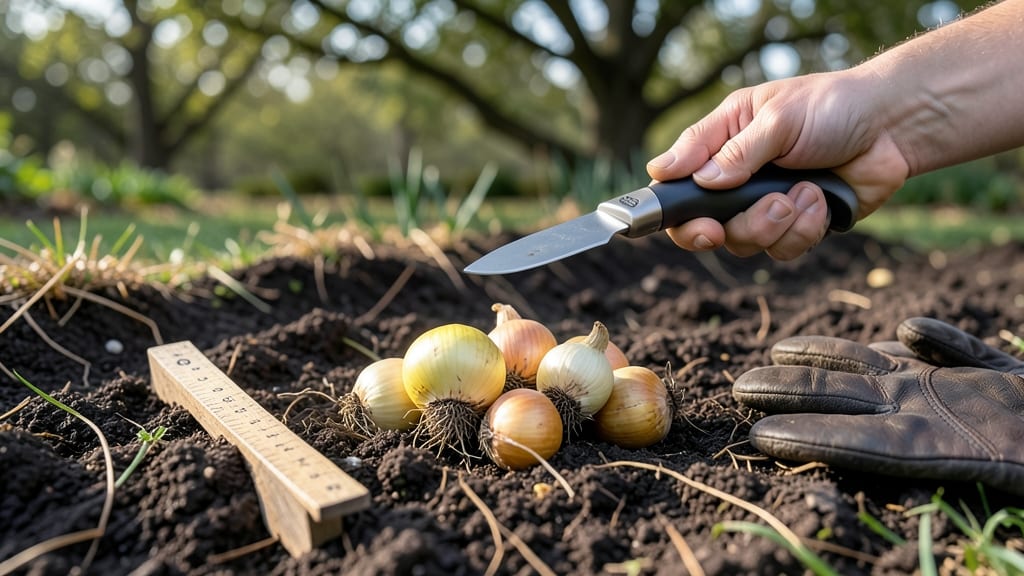
Planting daffodil bulbs in Missouri between October and November ensures vibrant blooms next spring, but timing is everything for USDA Zones 5b-6a.
Missouri gardeners know timing is everything—plant too early, and bulbs rot; too late, and winter’s frost stunts growth. The sweet spot? Four to six weeks before the ground freezes, when soil temps hit 40-50°F.
This fall window isn’t just about dates—it’s about soil prep, too. Missouri’s clay-heavy soil needs drainage fixes, and a pH of 6.0-7.0 keeps roots happy. Skip these steps, and even the hardiest daffodils struggle.
Below, I’ll break down the exact planting dates for your zone, soil tweaks to try, and the top 5 Missouri-proven daffodil varieties that bloom reliably year after year.
Ideal Missouri daffodil planting dates by USDA Zone 5b-6a
Missouri’s USDA Zones 5b-6a offer a 6-week fall window for planting daffodil bulbs, but timing varies by zone. In Zone 5b, where first frost hits by November 15, aim for early October planting.
Zone 6a’s milder winters allow planting until mid-November, but soil must stay above 40°F.
Daffodils need 4-6 weeks to establish roots before winter. Planting too early (September) risks bulb rot, while late planting (December) may stunt next spring’s blooms. Missouri’s microclimates—like urban heat islands or rural chill—can shift ideal dates by 1-2 weeks.
Check soil temperature at 6 inches deep; daffodils thrive when it’s 40-50°F. Use a soil thermometer to confirm readiness. In northern Missouri (Zone 5b), soil may drop below 40°F by late October, while southern Missouri (Zone 6a) stays warmer longer.
Missouri’s average first frost ranges from November 1-15, depending on location. Plant bulbs 4-6 weeks before your area’s typical frost date to ensure root growth. For example, Columbia (Zone 6a) can plant until November 10, while Kansas City (Zone 5b) should finish by October 25.
Here’s your zone-specific planting timeline, including frost risk and soil temp thresholds:
| Zone | Ideal Planting Window | Soil Temp Threshold | Frost Risk | Missouri Cities |
|---|---|---|---|---|
| 5b | Early October – October 25 | 40-50°F | High (Nov 1-10) | St. Louis, Kansas City |
| 6a | Early October – Mid-November | 40-50°F | Moderate (Nov 10-15) | Columbia, Springfield |
Adjust your planting date based on local frost records. For example, St. Louis (Zone 6a) can sometimes plant until November 20 if soil stays warm, while northern Missouri may need to start by October 1.
Use Missouri’s frost maps (like the Midwest Regional Climate Center) for real-time updates.
Missouri’s clay-heavy soils can delay soil cooling. Test your garden’s drainage first—daffodils rot in soggy soil. Amend with compost to improve aeration. Plant bulbs 6 inches deep and 6 inches apart for optimal spacing, which also helps prevent fungal issues in Missouri’s humid springs.
If you miss the fall window, spring planting is possible but risky. Daffodils planted in March may bloom the same year, but they’ll be smaller and weaker than fall-planted bulbs. For best results, stick to fall planting and mark your calendar for early October.
After planting, mulch with 2-3 inches of straw or shredded leaves to insulate bulbs. This is especially critical in Zone 5b, where winters can be harsher. Mulch also suppresses weeds and retains moisture—key for Missouri’s drought-prone springs.
Remember: Daffodils planted in fall will reward you with vibrant blooms by April, often before snow melts. Missouri gardeners love daffodils for their early color and deer resistance, making them a low-maintenance staple. Start your bulbs now, and enjoy spring’s first showstopper! 🌼
How to prepare Missouri soil for daffodil bulbs before planting
Missouri’s clay-heavy soil and occasional urban pollution can stifle daffodil growth if not properly amended. Before planting in fall (October-November), focus on three key prep steps: improving drainage, boosting organic matter, and balancing pH levels (6.0-7.0).
These adjustments ensure your bulbs establish strong roots before winter’s chill sets in.
Start by testing your soil’s drainage capacity. Daffodils hate soggy roots, and Missouri’s heavy clay retains too much moisture. Dig a 12-inch hole, fill it with water, and time how long it takes to drain.
If water lingers beyond 6 hours, amend with sand or perlite to create air pockets. This mimics the well-draining conditions daffodils crave.
Next, enrich the soil with 2-3 inches of compost or well-aged manure. Work it into the top 12 inches of soil where bulbs will nestle. Organic matter improves water retention while preventing compaction—a common issue in Missouri’s urban gardens.
For urban plots, add a 1-inch layer of coco coir to bind heavy metals and reduce pollution stress on young roots.
⚠️ WARNING: Missouri’s Urban Soil Risks
⚠️ Urban gardeners in Missouri: Test soil for lead or heavy metals before planting. Daffodils absorb contaminants through their roots. If levels exceed 100 ppm lead, grow in raised beds with sterile potting mix or use chelating amendments like iron sulfate to neutralize toxins. Never plant in areas with visible pollution (e.g., near highways or industrial sites).
Adjust the soil pH using a home test kit or send a sample to your local Missouri Extension office. Daffodils thrive in slightly acidic to neutral soil (6.0-7.0). If your soil tests below 6.0, sprinkle pelletized lime and till it in.
For pH above 7.0, mix in sulfur or peat moss. Re-test after 4-6 weeks to confirm adjustments.
For clay-heavy areas, create a raised bed or mound at least 12 inches high. Fill it with a mix of 50% native soil, 30% compost, and 20% coarse sand.
This elevates bulbs above waterlogged layers while still allowing roots to spread. Mulch the bed with 3 inches of straw or shredded leaves after planting to insulate roots and suppress weeds.
Finally, avoid fresh manure or chemical fertilizers before planting—both can burn bulb roots. Instead, opt for a balanced organic fertilizer (10-10-10) applied lightly in early spring. This gradual feeding supports robust blooms without overwhelming newly planted bulbs.
With these prep steps, your Missouri daffodils will thrive through winter and burst into color next spring.