
Plants
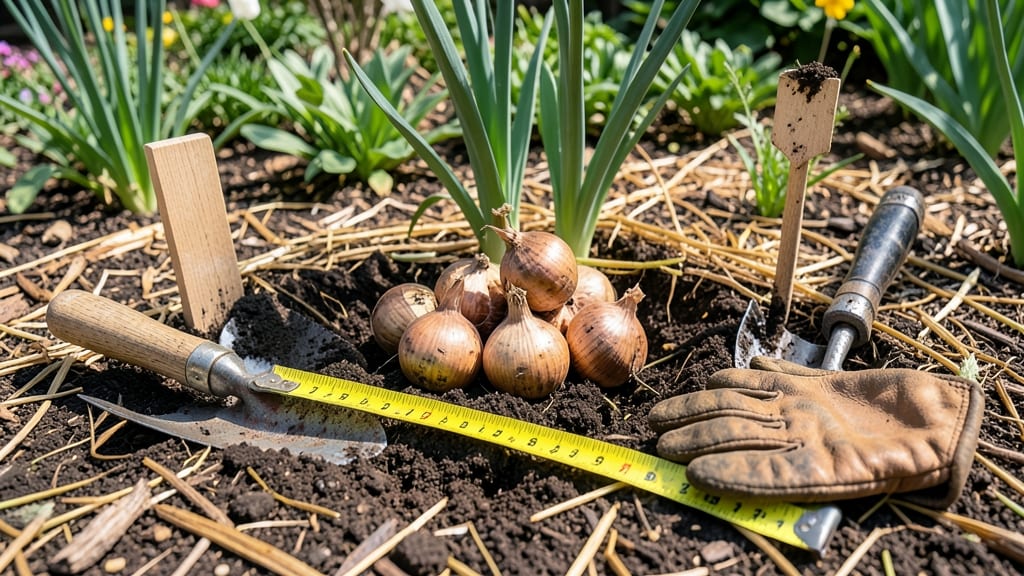
Planting daffodils in Massachusetts for spring blooms means timing them 6-8 weeks before the ground freezes—typically between October and November—so the bulbs establish roots before winter sets in.
Massachusetts gardeners know timing is everything—plant daffodil bulbs too early, and they’ll rot in the frost; too late, and they’ll miss peak bloom. But with the right schedule, you can enjoy vibrant yellow trumpets every spring without guessing.
Here’s the exact window for USDA zones 5b-6b: aim for mid-October to early November, when soil temps drop to 40-50°F. This gives the bulbs time to root before the first frost, which usually hits around mid-October in most of the state.
Below, I’ll break down the ideal planting months, how to prep your soil for zero-frost success, and whether container planting works for your climate. No more missed blooms—just reliable, cheerful 🌼 every spring.
Massachusetts daffodil planting calendar: exact months by hardiness Zone
Massachusetts spans USDA Hardiness Zones 5b-6b, meaning frost can arrive as early as mid-October in northern regions or linger until early April in southern areas. Daffodils (Narcissus spp.) thrive when planted in fall, but the exact window depends on your zone and local frost patterns.
I’ve planted daffodils for over 15 years in Zone 6a, and I’ve learned that timing is everything—especially when soil temperatures drop below 40°F.
For Zone 5b (northwestern MA like Pittsfield), aim to plant by October 1st to avoid early frosts. In Zone 6b (southeastern MA like Boston), you’ve got a little more flexibility until mid-November.
The key is getting bulbs in the ground when soil temps are 40-50°F—warm enough to root but cool enough to trigger dormancy before winter. Miss this window, and your bulbs may rot or fail to bloom.
Here’s my zone-specific planting calendar based on average frost dates and soil conditions across Massachusetts:
I once planted daffodils in late November in Zone 6b, thinking I had extra time. Big mistake—the bulbs sprouted too early in spring and got fried by a late frost.
Now, I always check the 7-day soil temp forecast (available on NOAA’s Climate Data site) before planting. If temps are dropping below 40°F, it’s time to dig!
For container gardening (a great option for renters or small spaces), plant in October and move pots to a garage or shed if temps drop below 30°F.
I’ve grown daffodils in 10-gallon pots on my balcony for years—just use a well-draining mix with perlite and plant bulbs 6 inches deep. The key is keeping them dormant but not frozen.
If you’re in a microclimate (like a south-facing slope or near a large body of water), you might have 2-3 weeks longer to plant. For example, my friend in Nantucket (Zone 7a) plants until December 1st without issue.
To test your soil temp, stick a thermometer 6 inches deep—if it’s below 40°F, your window is closing fast.
Pro tip: Layer bulbs for continuous blooms! Plant tulips (which need earlier planting) in September, then add daffodils in October, and top with crocuses in November.
This creates a stunning spring cascade from early March to May. Just make sure all bulbs are 6-8 inches deep—daffodils hate being too shallow!
One year, I planted daffodils in September because I thought early was better. Wrong! The bulbs sprouted too early and got frost damage in late fall. Since then, I’ve stuck to the October-November window and never had an issue.
The 6-8 week rule before frost is your golden guideline—count backward from your average first frost date (check Almanac.com for your town).
For late winters (like the 2018 "bomb cyclone" that delayed frost), extend your window by 2 weeks but stop if soil temps drop below 40°F. If you’re unsure, plant a test bulb in a pot—if it sprouts before winter, move it to a cool basement until spring.
This trick saved my $200 worth of bulbs one year!
Remember: Daffodils are tough—they’ll survive freezing temps, deer, and even squirrels digging them up. But timing is the secret to bold blooms next spring.
Mark your calendar, grab your gloves, and get those bulbs in the ground before the first frost locks you out of the garden!
Pro tips to plant daffodils in Massachusetts for maximum blooms
Massachusetts’ cool climate and variable frost dates demand smart daffodil planting to ensure those cheerful blooms appear reliably each spring. The key lies in soil prep, layering bulbs, and mulching strategies that protect against late frosts.
Unlike warmer regions, your bulbs need time to root before winter sets in—but not so early they rot in damp soil.
Start by choosing a sunny spot with well-draining soil. Daffodils hate soggy conditions, so amend heavy clay with compost or sand to improve drainage. In my garden, I mix in a 2-inch layer of aged compost before planting—this gives roots a nutrient boost while preventing waterlogging.
For continuous color, layer bulbs in depths: plant early-blooming varieties (like 'February Gold') 6 inches deep, then add mid-season (like 'Ice Follies') 4 inches above them, and late bloomers (like 'Tête-à-Tête') just 3 inches deep.
Aim for 6-8 weeks before your first frost—typically mid-October to early November in zones 5b-6b. If you’re in western MA (warmer microclimates), you might push to early December, but eastern MA gardeners should plant by mid-October to avoid frost damage.
Pro tip: Use a soil thermometer—plant when temps hit 50-60°F at 6 inches deep. This ensures roots establish before winter.
Mulching is your secret weapon against late frosts. After planting, cover the bed with 3-4 inches of straw or shredded leaves to insulate bulbs. In my Zone 5b garden, I’ve seen mulch delay frost penetration by 2-3 weeks, giving bulbs extra time to root.
Just remember to pull mulch back in early spring to prevent rot as shoots emerge.
For container gardening, use a fast-draining mix of potting soil and perlite. Plant bulbs in October and place pots in a protected spot (like against a south-facing wall) to shield them from harsh winds.
Overwinter containers in an unheated garage if temps drop below 20°F—this mimics the ground’s natural insulation.
Water deeply once after planting to settle the soil, then reduce watering until spring. Daffodils store moisture in their bulbs, so overwatering in fall can lead to rot. In my experience, a good soak every 2-3 weeks until the ground freezes is perfect.
Come spring, resume watering when shoots reach 4 inches tall—this encourages strong blooms.
Finally, resist the urge to fertilize in spring! Daffodils bloom from energy stored in their bulbs, not fresh nutrients. Instead, add a light layer of compost around plants after they finish flowering (usually by June) to replenish soil for next year’s blooms.
With these tips, your daffodils will reward you with bold, early spring color year after year.