
Plants
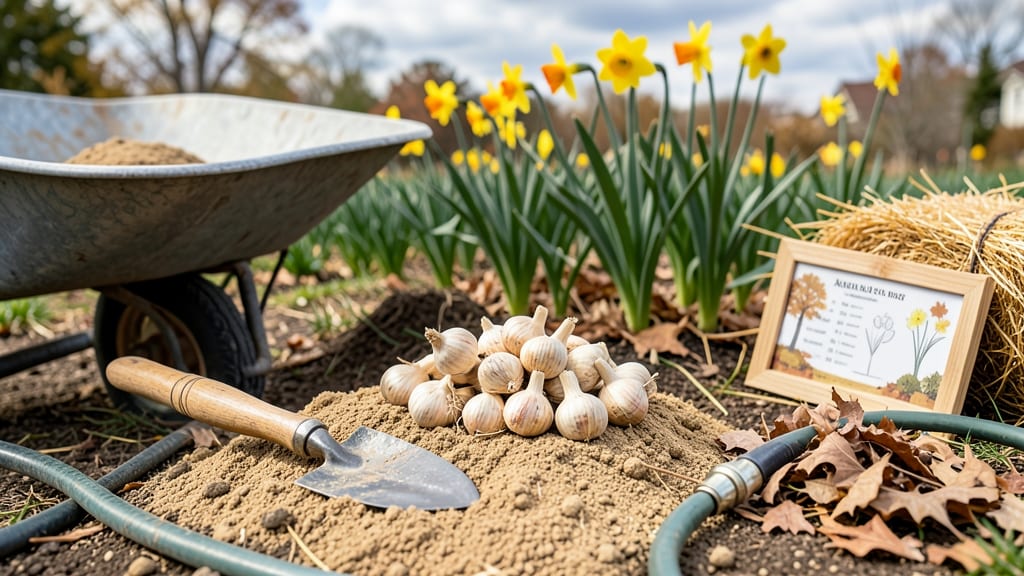
Planting daffodil bulbs in Arkansas between October and November is the key to vibrant spring blooms that beat the frost.
If you’ve ever waited months for your 🌼 daffodils to emerge, only to watch them wilt before they bloom, you know timing matters. In Arkansas’s USDA Zone 7b, planting too early risks rot, while waiting too long leaves bulbs vulnerable to winter’s bite.
This guide breaks down the exact window for fall planting—when soil temps drop to 50-60°F—plus soil prep tricks and frost-ready tips to ensure your bulbs thrive.
You’ll learn how to adjust for Arkansas’s unpredictable weather, the best daffodil varieties for your zone, and post-planting care to guarantee a showstopping spring display.
Best planting months for daffodil bulbs in Arkansas Zone 7b
Planting daffodil bulbs in Arkansas at the right time ensures they establish strong roots before winter, leading to vibrant spring blooms and long-term hardiness. In USDA Zone 7b, the ideal window is October through November, but timing depends on soil temperatures and frost risks.
The University of Arkansas Extension confirms that bulbs need 6-8 weeks to root before the ground freezes—typically by mid-November in this zone.
Daffodils thrive when planted in cool soil (below 60°F) but before the first hard frost. In Arkansas, this usually means mid-October to early November, but early frosts can push planting to late September.
The key is balancing root establishment with frost protection, as bulbs left too late may not develop strong roots before winter dormancy.
Here’s a quick reference for your planting schedule in Zone 7b:
For soil preparation, Arkansas gardeners should focus on well-draining soil with a pH of 6.0–7.0. Amend heavy clay soils with compost to improve aeration, as daffodils hate soggy roots.
I always mix in a 2-inch layer of compost or aged manure into the planting area to provide nutrients without encouraging fungal growth.
Planting depth is critical—daffodil bulbs should go 6 inches deep, with the neck pointing upward. In Arkansas’s clay-heavy soils, this depth helps protect bulbs from voles and temperature fluctuations.
Space bulbs 4–6 inches apart for dwarf varieties and 6–8 inches apart for standard types to allow airflow and reduce disease risk.
Early planting (by mid-October) gives daffodils a head start on root growth, which translates to earlier and more robust blooms the following spring. Bulbs planted in late November may still sprout, but they’re more vulnerable to winter heaving (when freezing/thawing cycles push them out of the soil).
After planting, apply a 2–3 inch layer of mulch (straw or shredded leaves) to insulate bulbs and retain moisture. In Arkansas’s humid winters, mulch also helps prevent fungal diseases like basal rot. Remove mulch in early spring once shoots emerge to allow sunlight to reach the foliage.
If Arkansas’s weather throws you a curveball—like an early frost in October—you can still plant but use row covers or cold frames to protect the soil. The goal is to keep the ground above freezing for at least 4–6 weeks after planting.
I’ve successfully planted daffodils as late as early December using black plastic mulch to trap heat.
Remember, daffodils are perennials, meaning they’ll return year after year if planted correctly. The first year’s blooms may be modest, but with proper care, your Arkansas garden will reward you with cheerful spring displays for decades.
Start with 10–15 bulbs to test your soil and sunlight conditions before expanding.
For Arkansas gardeners, the October–November window is your best bet for daffodil success. Pay attention to soil temperatures, frost forecasts, and drainage, and you’ll be well on your way to a low-maintenance, high-reward garden staple. Happy planting! 🌼
How to adjust planting dates for Arkansas weather variations
Arkansas’s variable climate—from early fall frosts to unpredictable drought spells—can throw off even the best-laid planting plans. If you’ve ever planted daffodil bulbs too early and watched them rot in soggy soil, or too late and missed the frost window, you know how critical timing is.
The key is flexibility: adjusting your schedule based on soil temperature, rainfall forecasts, and local frost dates.
For most of Arkansas’s USDA Zone 7b, the ideal window is October through November, but Mother Nature doesn’t always cooperate. A late October heatwave or an early November frost can force you to shift your timeline.
The good news? With a few simple strategies—like using mulch or row covers—you can protect your bulbs and still enjoy those cheerful spring blooms.
- 1 Monitor soil temps: Plant when soil reaches 50-60°F (use a soil thermometer). In Arkansas, this is usually late October, but early frosts can push it to mid-November.
- 2 Adjust for drought: If rainfall is scarce, plant bulbs deeper (8-10 inches) to reach moisture. Water deeply after planting to settle soil around roots.
- 3 Use mulch for protection: Apply 3-4 inches of straw or shredded leaves after planting to insulate bulbs from temperature swings and retain moisture.
- 4 Extend the season with row covers: If planting late (December), use frost blankets to shield bulbs from hard freezes until roots establish.
- 5 Check local frost dates: Use the University of Arkansas Extension’s frost calendar to fine-tune your schedule. Aim to plant 6-8 weeks before the first expected frost.
If you’re in northern Arkansas (closer to Zone 7a), err on the side of earlier planting—early October—to beat the frosts. In southern Arkansas (Zone 8a), you’ve got a little more wiggle room, but don’t wait past mid-November unless you’re using protection.
I once planted bulbs in late November in Hot Springs and used a row cover, and they still bloomed beautifully the next spring!
Another pro tip: Pre-soak bulbs in a fungicide solution (like a 10-10-10 mix) before planting if your soil is heavy or prone to rot. This extra step can save your bulbs if the ground stays soggy after planting.
And always plant in well-draining soil—Arkansas clay can be a bulbs’ worst enemy if it doesn’t dry out occasionally.
Don’t let Arkansas’s unpredictable weather stress you out. With these adjustments, you can turn challenges into opportunities: deeper planting for drought, mulch for insulation, and row covers for late starts. Your daffodils will thank you with bold, early blooms that brighten up even the grayest Arkansas spring days. 🌼