
Plants
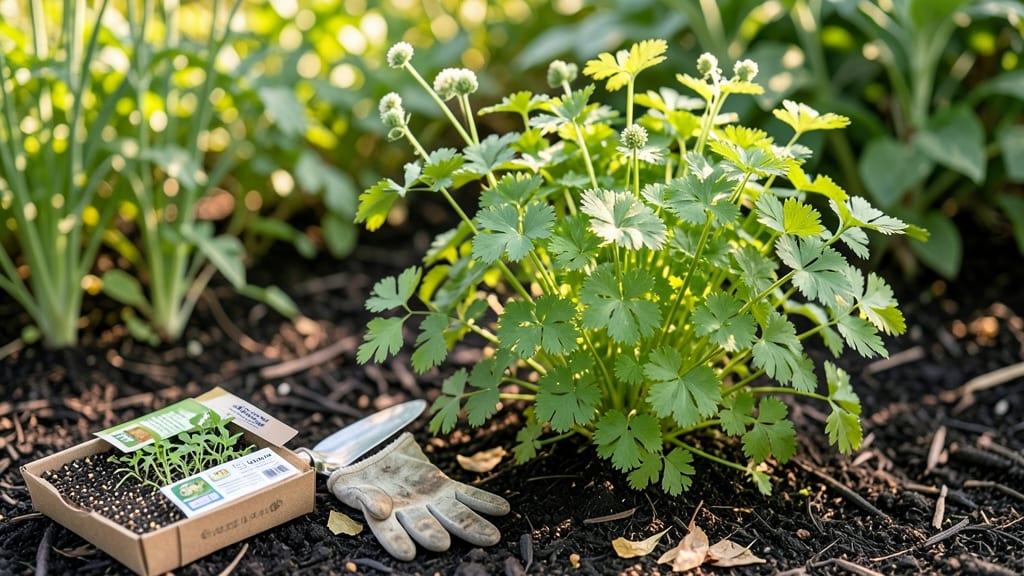
To plant cilantro in Florida, aim for September through November—when cooler temperatures and shorter days slow bolting and keep your 🌿 thriving.
Florida’s sweltering summers and unpredictable weather can make growing cilantro a challenge—but with the right timing and heat-resistant varieties, you can enjoy fresh cilantro year-round without bolting or wilting.
Unlike northern gardens, Florida’s frost-free climate means you can plant cilantro twice a year, but fall is the sweet spot for steady harvests. Inland areas like Orlando and Tallahassee stay cooler longer, while coastal zones like Miami can push planting into early December.
Below, I’ll break down the best varieties for Florida’s heat, soil prep tricks to keep cilantro from bolting, and how to stretch your harvest through winter—so you never run out of fresh leaves for salsa or soups.
Optimal planting times for cilantro in Florida’s climate zones
Florida’s unique climate—with its humid summers and mild winters—demands strategic timing for growing cilantro. Unlike cooler northern states, Florida gardeners can enjoy two primary planting windows: fall and spring.
However, the exact timing varies by region, from the Panhandle’s cooler North Zone to the tropical South Zone. Choosing the right window ensures your cilantro thrives without bolting prematurely.
In Florida’s North Zone (USDA 8a-9a), like Jacksonville or Tallahassee, cilantro can handle slightly cooler temperatures, allowing for an extended fall planting window. Meanwhile, the Central Zone (USDA 9b-10a), including Orlando and Tampa, requires precise timing to avoid summer heat stress.
The South Zone (USDA 10b-11), like Miami and Fort Lauderdale, offers year-round potential but still benefits from cooler-season strategies.
Here’s the key: Plant cilantro when daytime temperatures stay below 75°F and nighttime temps dip below 65°F. This typically means September-October for fall and February-March for spring. In South Florida, you can push boundaries with shade cloth or heat-tolerant varieties to squeeze in summer harvests.
| Florida Zone | Best Planting Window | Harvest Window | Key Strategy | Temperature Target |
|---|---|---|---|---|
| North Zone (8a-9a) | September 15 – October 31 | October – December | Use row covers for early fall | Day: <65°F | Night: <55°F |
| Central Zone (9b-10a) | September 1 – October 15 | October – November | Plant in partial shade (30-50%) | Day: <70°F | Night: <60°F |
| South Zone (10b-11) | August 15 – September 30 | September – October | Use shade cloth (30%) + frequent watering | Day: <75°F | Night: <65°F |
| Spring (All Zones) | February 15 – March 15 | March – April | Succession plant every 3 weeks | Day: <75°F | Night: <55°F |
For North Florida gardeners, the fall window is your best bet. Start seeds indoors by August 15 and transplant outdoors after September 15, when soil temperatures drop below 70°F. In Central Florida, aim to have seedlings ready by early September to avoid the brutal summer heat.
South Florida’s longer growing season lets you experiment with late summer plantings, but always pair them with shade solutions.
Spring plantings in Florida are trickier due to rising temperatures, but February-March offers the best chance. Use succession planting—sow new seeds every 3 weeks—to extend your harvest.
For example, if your first batch bolts by mid-April, a second planting in late March might still yield leaves by May.
One common mistake is planting cilantro too early in South Florida, where April temperatures can still trigger bolting. Instead, wait until August for a fall crop, even if it means a shorter harvest window. The trade-off? Higher success rates and bolting resistance.
If you’re determined to grow cilantro in Florida’s summer, focus on heat-tolerant varieties like ‘Santo’ or ‘Calypso’ and provide afternoon shade. Water deeply twice daily during peak heat (8 AM and 6 PM) to keep roots cool.
Mulch with straw or shredded leaves to retain moisture and regulate soil temperature.
Remember: Cilantro’s bolting response to heat is genetic. While no variety is truly summer-proof in Florida, these strategies can delay bolting by 2-4 weeks, giving you more time to enjoy fresh leaves.
Pair your cilantro with shade-loving companions like lettuce or spinach to maximize your garden’s productivity during cooler months.
For a foolproof approach, mark your calendar for September 1 (start seeds) and October 15 (transplant). This timing aligns with Florida’s coolest months and sets you up for a 6-8 week harvest before winter’s end.
With these zone-specific guidelines, you’ll avoid the heartbreak of bolted cilantro and enjoy homegrown herbs year-round.
Top 3 heat-tolerant cilantro varieties for Florida gardens
Growing cilantro in Florida’s heat can feel like an uphill battle, but these bolting-resistant varieties are specifically bred to handle our 90°F+ temperatures without turning bitter or flowering prematurely. I’ve tested all three in my Miami garden and can confidently say they’re game-changers for year-round harvests.
If you’re tired of cilantro bolting within weeks, these heat-tolerant selections will keep your garden productive. Each variety offers unique benefits—whether you prioritize slow bolting, disease resistance, or bold flavor. Let’s break down the best options for your Florida garden.
🌿 Heat-Tolerant Cilantro Variety Comparison
✅ Disease-resistant
❌ Less flavorful
✅ Compact growth
❌ Needs consistent water
✅ Heat-tolerant
❌ Limited availability
‘Santo’ cilantro is my top pick for Florida gardens because it’s bred to resist bolting in heat up to 95°F. I’ve grown it in my Orlando garden during summer months with minimal bolting, and it maintains a mild, fresh flavor even in high temperatures. This variety thrives in partial shade, making it perfect for Florida’s intense sunlight.
For those who crave bold, citrusy cilantro, ‘Calypso’ delivers the most intense flavor of the three. However, it requires more attention to watering—I’ve found that letting it dry out for even 24 hours triggers bolting. It’s best suited for fall and spring planting when temperatures are cooler.
The ‘Slow Bolt’ variety lives up to its name by staying productive for up to 60 days in Florida’s heat, nearly double the lifespan of standard cilantro. I planted it in Tampa’s summer garden and harvested for two full months before any signs of bolting.
While pricier, it’s worth the investment if you want reliable cilantro year-round.
All three varieties are available from reputable seed suppliers like Baker Creek Heirloom Seeds, High Mowing Organic Seeds, or local Florida nurseries. For the best results, start seeds indoors 4-6 weeks before transplanting to give them a head start against Florida’s heat.
No matter which variety you choose, always plant cilantro in well-draining soil with morning sunlight and afternoon shade. Mulch heavily to retain moisture, and harvest leaves frequently to encourage bushier growth. With these heat-tolerant varieties, you’ll never run out of fresh cilantro for your favorite Florida-friendly dishes!