
Plants
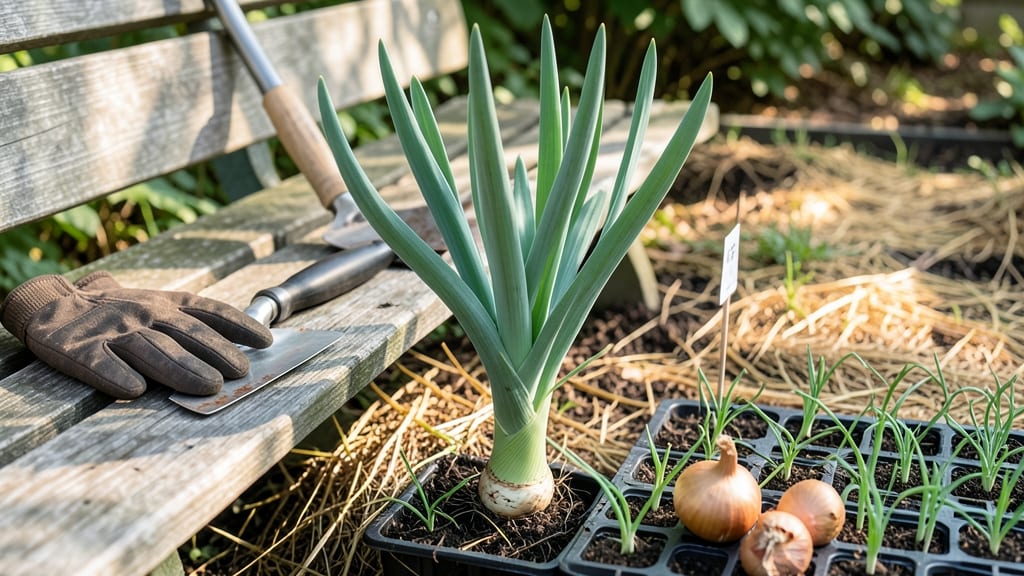
Planting onions in Central Florida at the right time means the difference between sweet, plump bulbs and bitter, bolted greens 🧅 — and the key is all about soil temperature.
If you’ve ever waited until spring only to watch your onions send up flowers instead of bulbs, you’re not alone. Central Florida’s mild winters and hot summers create a narrow window where onions thrive, and missing it means wasted effort.
The secret? Planting when soil temps hit that sweet spot between 50°F and 65°F, which in this region means late fall or early winter.
This isn’t just about avoiding bolting—it’s also about working with Florida’s unique climate. Unlike northern growers, you don’t have to worry about frost, but you do need to account for humidity and heat spikes that can stress your plants.
The right timing ensures your onions grow strong before the heat arrives, giving you a harvest window from April through July.
Below, I’ll break down the exact months to plant, how to prep your soil for Florida’s conditions, and the one trick that keeps your onions from bolting even when temps climb. Let’s get those bulbs growing right.
Central Florida onion planting calendar: exact soil temp triggers to avoid bolting
Onions in Central Florida thrive when planted during cool seasons, but getting the timing wrong can trigger bolting—when onions flower prematurely and turn bitter. The key?
Planting when soil temperatures stay between 50-65°F consistently. In our frost-free climate (USDA Zones 9a-10a), this means focusing on fall and winter windows while avoiding summer heat spikes.
Unlike northern states, Central Florida doesn’t have frost to signal planting time. Instead, we rely on soil thermometers and historical heat patterns. For example, Orlando’s soil can hit 80°F+ by late spring, forcing onions to bolt in just 3-4 weeks.
The solution? Plant short-day varieties (like Texas Early White) in fall or intermediate-day types (like Yellow Granex) in winter.
Here’s the critical breakdown: Short-day onions need 10-12 hours of daylight to bulb properly, while intermediate-day varieties tolerate 12-14 hours. Our region’s long daylight hours in summer make spring planting a gamble—even with ideal soil temps.
Let’s dive into the exact windows for Orlando, Tampa, and Gainesville, where microclimates can shift planting by 2-3 weeks.
| Planting Window | Soil Temp Range | Best Varieties | Harvest Window | Risk Level |
|---|---|---|---|---|
| August 15–September 15 | 60–65°F | Texas Early White, Red Creole | February–March | Low (cool nights) |
| October 1–November 15 | 55–60°F | Yellow Granex, Sweet Sandwich | March–April | Medium (variable temps) |
| January 15–February 15 | 50–55°F | 1015Y Yellow, Texas Grano | May–June | Low (stable temps) |
| March 1–April 15 | 60–65°F (risky) | Red Baron (long-day) | July–August | High (bolting risk) |
In Orlando, where summer humidity spikes, I’ve found that planting Texas Early White in late August (when soil temps hover around 62°F) yields bulbs before spring heat arrives.
Meanwhile, Tampa’s coastal breezes can push soil temps 5°F cooler than inland areas, extending the fall window by 2 weeks. For Gainesville’s higher elevation, aim for October 15 to avoid early freezes (rare but possible in microclimates).
Pro tip: Use a soil thermometer to confirm temps before planting. Stick it 4 inches deep (where onion roots grow) for 3 consecutive days in the 60–65°F range.
If temps dip below 50°F, growth stalls—critical for intermediate-day varieties like Yellow Granex, which need steady warmth to bulb properly.
Another trick? Mulch heavily with straw or black plastic to stabilize soil temps. In my Orlando garden, I’ve seen mulched beds stay 10°F cooler than bare soil during February heat waves, preventing bolting in winter-planted onions. For Tampa
Step-by-step onion planting guide for Florida’s humid climate: what to do when soil temps align
Once your soil temperature drops to 65°F or below—typically in late September—your onion planting window opens in Central Florida. This timing prevents heat-induced bolting and ensures strong bulb development.
Unlike northern climates, we skip spring planting here, as Florida’s winter warmth (even in January) can still stress young plants.
Your pre-planting checklist starts with soil preparation. Onions thrive in loamy, well-draining soil with a pH between 6.0 and 7.0. Work in 2-3 inches of compost or aged manure to improve fertility, and avoid fresh organic matter, which can cause rot in humid conditions.
A soil test is worth the investment—especially if your garden has heavy clay or sandy soil.
🌱 Your Onion Planting Action Plan
-
1. Choose Your Onion Type
Select short-day varieties (e.g., Texas Early White) for fall planting or intermediate-day types (e.g., Yellow Granex) for winter. Avoid long-day onions—they bolt before bulbing.
-
2. Prep the Bed
Clear weeds, loosen soil to 12 inches deep, and rake smooth. For poor drainage, mound soil into 6-inch-high ridges to prevent waterlogged roots.
-
3. Plant Sets or Seeds
For sets: Place 1 inch deep, 4-6 inches apart, rows 12-18 inches apart. For seeds, sow ¼ inch deep and thin to 3 inches apart when seedlings are 2 inches tall.
-
4. Mulch Strategically
Use straw mulch (2-3 inches) for organic matter and moisture retention, or black plastic to suppress weeds and warm soil. Avoid thick mulch—it can overheat roots in Florida’s humidity.
-
5. Water Like a Pro
Water deeply 2-3 times weekly, aiming for 1 inch of water. Always water in the morning to reduce fungal diseases. Let the top 1 inch of soil dry between waterings to prevent rot.
-
6. Monitor for Bolting
Watch for premature flowering (tall stems with seed heads). If you spot bolting, harvest green onions immediately or pull the plant to redirect energy to nearby healthy bulbs.
After planting, fertilize lightly with a 5-10-10 NPK blend when shoots emerge. Avoid high-nitrogen fertilizers—they encourage leafy growth over bulb development. Instead, focus on phosphorus-rich feedings every 6-8 weeks to promote strong roots and bulbs.
In Central Florida’s humidity, disease pressure is high, so crop rotation is a must. Never plant onions in the same spot two years in a row. If you’re short on space, interplant with non-allium crops like tomatoes or peppers, which don’t compete for nutrients.
For container growing, use large pots (12+ inches deep) with fast-draining mix.
With these steps, you’ll dodge the bolting bullet and enjoy sweet, storage-friendly onions by spring. The key? Cool soil temps, consistent moisture, and patience—Florida’s heat will try to rush the process, but you’re now equipped to outsmart it. 🧅