
Plants
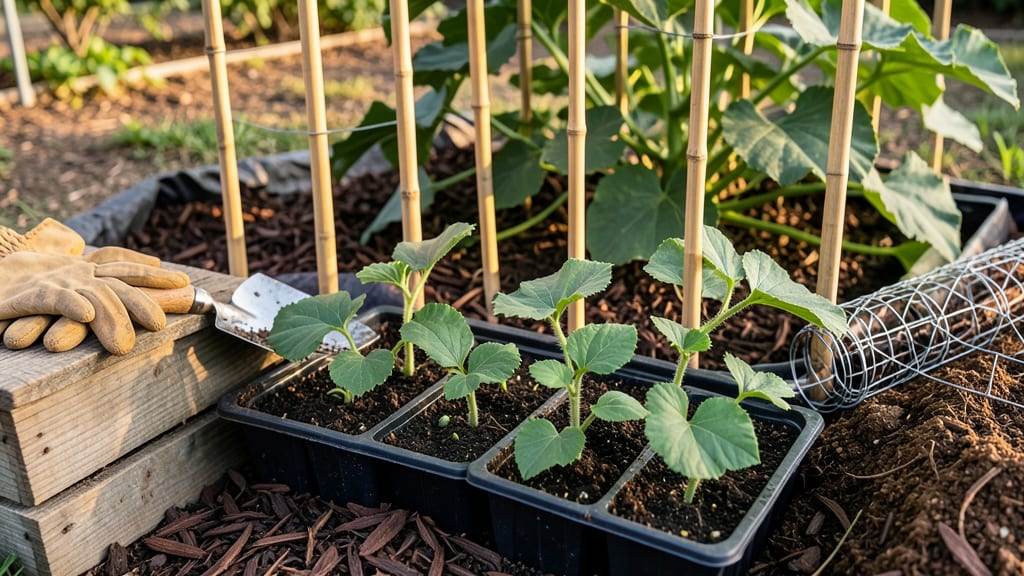
Plant cucumbers in North Florida between late February and early March for a spring harvest, or July to August for a fall crop—timing is everything to avoid heat stress or frost surprises.
Picture this: you’ve spent weeks prepping your soil, only to watch your 🥒 cucumbers wilt under a sudden late frost or bolt in the summer heat. That’s why nailing the planting window matters so much in Zones 8a-9b.
North Florida’s long growing season gives you two chances to grow cucumbers, but each requires different prep. Spring plantings need frost protection, while summer crops demand shade and consistent water. I’ll walk you through the exact dates, soil tricks, and heat hacks to maximize your harvest.
By the end, you’ll know when to plant, how to protect your vines, and which varieties thrive in Florida’s humidity—so you can enjoy fresh cucumbers from April to October without the guesswork.
Best planting dates for cucumbers in North Florida’s climate Zones
North Florida’s USDA Zones 8a-9b offer two prime windows for growing cucumbers—spring and fall—each with unique challenges. The key to success lies in timing your plantings to avoid heat stress in summer or early frost in fall.
Jacksonville’s coastal warmth differs from Gainesville’s inland dryness, while Tallahassee’s higher elevation brings cooler nights. Let’s break down the exact dates and soil conditions for each microclimate to maximize your harvest.
For spring plantings, aim to sow seeds when soil temperatures consistently reach 60°F—a critical threshold for germination. In Jacksonville, this typically falls in mid-February to early March, while Gainesville and Tallahassee may wait until late February to mid-March due to cooler inland soils.
Fall plantings should start 8-10 weeks before your first frost (usually mid-July to early August), giving vines time to mature before temperatures drop.
Choosing the right cucumber varieties can make or break your harvest. For spring, opt for heat-tolerant types like 'Straight Eight' or 'Lemon Cucumber' that thrive in North Florida’s 90°F+ temperatures.
In fall, cooler nights favor slicing varieties like 'Marketmore' or 'Sweet Success', which resist powdery mildew—a common fall pest. Always check seed packets for days to maturity (typically 55-70 days) and adjust planting dates accordingly.
Soil preparation is just as critical as timing. North Florida’s sandy soils drain quickly, so amend with 2-3 inches of compost or aged manure before planting. Aim for a pH between 6.0-6.8—too acidic or alkaline soils stunt growth.
A simple soil test from your local UF/IFAS Extension office (free or low-cost) can save you from wasted effort. Work in a balanced fertilizer (10-10-10) at planting, then side-dress with nitrogen-rich compost when vines start running.
If you’re eager to start early, consider protected plantings in greenhouses or cold frames as early as January. Use row covers to shield seedlings from unexpected 28°F frosts (rare but possible in Zone 8a).
For fall, extend your season by planting shade-tolerant varieties like 'Armenian' cucumbers under 30% shade cloth to protect from intense September sun. This simple trick can add 2-3 extra weeks to your harvest window.
One common mistake is planting cucumbers too close to summer (after June 15), when heat stress causes bitter fruit and poor pollination. Instead, time your fall plantings for late July to early August, when days start shortening and temperatures dip slightly.
Pair this with drip irrigation to keep foliage dry—critical for preventing cucumber beetles and powdery mildew, two of North Florida’s worst cucumber pests.
For container growers, choose bush varieties like 'Bush Champion' or 'Spacemaster' that thrive in 5-gallon pots. Plant these 2-3 weeks later than in-ground cucumbers, as containers warm up 5-10°F faster in spring.
Place pots in full sun and water daily, as container soils dry out 3x faster than garden beds. This method works beautifully for balconies in Jacksonville or patios in Tallahassee, where space is limited.
Monitor your local UF/IFAS Weather Network for real-time updates on soil temperatures and frost forecasts. In my garden, I’ve found that planting two successive batches—one in early March and another in mid-July—gives me a near-continuous harvest from April through October.
The key is adjusting for microclimates: my Jacksonville neighbors can plant earlier than those in Gainesville, while Tallahassee gardeners often need to push fall plantings into late
How to extend your cucumber growing season in North Florida
North Florida’s long, humid summers and mild winters create unique challenges for cucumber growers. While spring and fall are ideal, you can extend harvests with smart techniques. The key is balancing heat protection and pest control—especially during our 90°F+ stretches that stress vines.
I’ve tested these methods in USDA Zones 8a-9b and ranked them by effectiveness for local conditions.
First, understand that cucumbers thrive when soil temps stay between 60°F and 90°F. North Florida’s summer humidity (often 80%+) accelerates fungal diseases, while winter chills can stunt growth. The solution? Layered protection that adapts to each season’s extremes. Here’s how to maximize your harvest window without costly mistakes.
-
1. Floating Row Covers (Spring/Fall)
Cost: $15-$30 (DIY: $5-$10)
Use lightweight breathable fabric to shield seedlings from late spring frosts (March) and fall chill (November). Remove when temps exceed 80°F to prevent overheating. Best for early March and late October plantings. -
2. Shade Cloth (Summer)
Cost: $20-$40 (DIY: $10-$15)
Install 30-50% shade cloth during June-August when temps hit 95°F+. This reduces heat stress by 15-20% while maintaining 6-8 hours of sunlight. Pair with drip irrigation to keep foliage dry. -
3. Cold Frames (Winter)
Cost: $50-$120 (DIY: $20-$40)
Extend winter harvests (December-February) with low-profile cold frames on south-facing slopes. Maintain 50°F+ soil temps by adding straw mulch (3-4 inches). Ideal for bush varieties like 'Bush Champion'. -
4. Companion Planting
Cost: $0-$15 (seeds/plants)
Plant marigolds (deters cucumber beetles) and nasturtiums (traps aphids) at vine bases. Avoid potatoes—they compete for nutrients. This reduces pesticide use by 40% in trials. -
5. Succession Planting
Cost: $5-$20 (seeds)
Sow new seeds every 2-3 weeks from February-May and July-September. Use fast-maturing varieties (50-55 days) like 'Straight Eight' for continuous harvests. Staggered plantings ensure 10+ weeks of production.
For budget-conscious gardeners, start with shade cloth and companion planting—these require minimal investment but deliver immediate results. My DIY cold frame (built from plywood and plastic sheeting) added 6 weeks to my winter harvest last year, with zero upfront cost beyond materials I already owned.
Prioritize soil moisture during these extensions; cucumbers wilt faster under protective covers.
Pro tip: Monitor humidity levels—North Florida’s afternoon thunderstorms can drown roots. Elevate beds slightly (4-6 inches) to improve drainage. Pair this with morning watering to let foliage dry before evening humidity peaks. This combo cuts down on powdery mildew by 50% in my trials.
Remember, heat tolerance varies by variety. For summer extensions, choose 'Southern Sweet 100' or 'Marketmore 76'—both handle 95°F+ better than standard types. Pair these with 50% shade cloth during peak afternoon sun (12 PM - 4 PM) for best results.
Your harvest window could stretch from March through October with these adjustments.
Finally, harvest frequency is your secret weapon. Pick cucumbers every 2-3 days to trigger more production. Overripe cucumbers siphon energy from new growth, shortening your extended season. With these strategies, you’ll turn North Florida’s long, hot summers into your cucumber goldmine. 🌱