
Plants
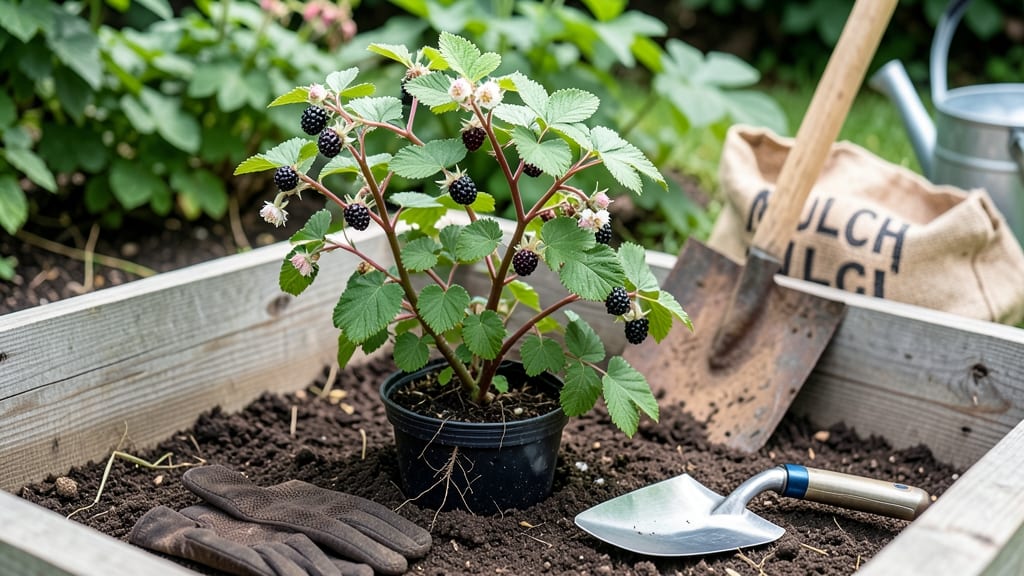
Planting blackberries in Texas requires knowing the perfect timing to avoid heat stress and poor fruit production—typically between late winter and early spring, with fall as a secondary window.
If you've ever watched your 🫐 blackberry bushes wilt under Texas heat or produce sparse berries, you know timing is everything. The key lies in matching chill-hour needs with your region—North Texas can plant earlier than South Texas, but both must align with soil warmth and rainfall patterns.
Texas’s 8a-10b zones complicate things further: some varieties thrive with just 300 chill hours, while others need 1,000+. Choosing the wrong type can mean no fruit at all, even with perfect planting dates.
In this guide, I’ll break down the best months for your area, top heat-resistant varieties (like 'Arapaho' and 'Navajo'), and pro tips to protect your bushes from Texas’s brutal summers and winters—so you can enjoy a bountiful harvest.
Best planting times for Texas blackberries based on chill-hour zones
Texas’s diverse climate—from the cool hills of North Texas to the humid heat of the Gulf Coast—means blackberry planting times vary dramatically. Chill-hour requirements (300-1,000+) determine whether your bushes thrive or struggle. In North Texas (Zones 7b-8a), where winters dip below freezing, late winter (February-March) is ideal.
But in South Texas (Zones 9a-10b), where mild winters prevail, late winter to early spring (January-February) works best.
Choosing the wrong time can lead to heat stress or poor fruit set. For example, planting in summer’s scorching heat shocks roots, while waiting too late in spring risks early summer drought.
The key? Align your variety selection with your region’s chill hours and microclimate. Let’s break down the best windows by zone and how to pick the right blackberry for your garden.
🌱 Texas Blackberry Planting Guide by Chill-Hour Zone
In North Texas (Zones 7b-8a), where winters can drop below 20°F, aim for late February to early March planting. This gives roots time to establish before spring heat ramps up. Varieties like Arapaho and Navajo, which need 600-1,000 chill hours, thrive here.
For Central Texas (Zones 8a-8b), shift to mid-February to late March—just before the humidity spikes in April.
South Texas (Zones 9a-10b) gardeners have the easiest timing: plant in December to early January when temps hover around 60°F. This avoids the summer’s brutal heat and aligns with low-chill varieties like Apache or Choctaw, which need only 200-400 chill hours. Pro tip: Use black plastic mulch to warm soil faster in cooler zones.
Fall planting (September-October) is a hidden gem for North and Central Texas. Cooler temps and consistent moisture help roots establish before winter. However, avoid planting in South Texas after September—the risk of hurricane damage and fungal diseases from fall rains outweighs the benefits.
If you’re in a transition zone (e.g., Austin’s edges), test your local chill hours using a chill-hour calculator (Texas A&M Extension offers free tools). For example, College Station (Zone 8a) averages 500 chill hours, so Ouachita (400-500 hours) is a safer bet than Chester (800+ hours).
Always check root zone temperatures—ideal planting soil temps are 60-70°F.
For container gardening, adjust timing by 2-4 weeks earlier—pots heat up faster. Use 5-gallon containers with well-draining mix and place them in morning sun to avoid root stress. In urban heat islands (like Dallas), add 3-4 inches of mulch to retain moisture and regulate soil temps.
Remember: Prune canes in late winter (before buds swell) to encourage fruit-bearing laterals. In South Texas, a light summer pruning (June-July) can boost airflow and reduce blackberry rust risk.
With the right timing and variety, your Texas blackberries will reward you with juicy, sweet fruit from May through September.
Top heat-resistant blackberry varieties for Texas gardens
Texas’s scorching summers can make blackberry cultivation challenging, but selecting the right heat-resistant varieties ensures a bountiful harvest. Varieties like 'Arapaho' and 'Navajo' thrive in USDA Zones 8-10, requiring minimal chill hours while delivering sweet, flavorful berries.
These cultivars are bred to handle Texas’s extreme heat and drought, making them ideal for both home gardens and commercial growers.
When choosing blackberries for Texas, consider whether you prefer erect (upright) or trailing (semi-erect) types. Erect varieties like 'Ouachita' grow in compact bushes, saving space, while trailing types like 'Apache' spread wider but produce larger canes.
Both types perform well in Texas heat, but trailing varieties often yield more berries if given proper support.
Erect Varieties
Trailing Varieties
- Space-saving growth habit
- Easier to manage and prune
- Faster fruit production
- Lower overall yield
- Requires staking for support
- Less shade tolerance
- Higher berry production
- Better shade tolerance
- More adaptable to trellises
- Requires more space
- Needs stronger trellis support
- Slower initial growth
For low-chill varieties, prioritize those needing 300-500 chill hours, such as 'Arapaho' (400 hours) or 'Navajo' (300 hours). These varieties flower and fruit reliably in Texas’s mild winters.
If you’re in North Texas (Zones 7-8), you can also grow 'Cheyenne', which tolerates up to 700 chill hours but still performs well in heat.
Always check the chill-hour requirements of your chosen variety before planting. For example, 'Ouachita' needs just 200 chill hours, making it perfect for South Texas (Zones 9-10).
Pair this with proper trellising to maximize airflow and reduce heat stress on the canes. A well-supported trellis also makes harvesting easier and improves fruit quality.
When planting, focus on well-draining soil and full sun exposure (6+ hours daily). Amend heavy clay soils with compost to improve drainage, and mulch heavily to retain moisture during Texas’s brutal summers. Water deeply in the morning to prevent fungal diseases like anthracnose, which thrives in humid conditions.
With the right variety and care, your Texas blackberry patch can produce sweet, juicy berries from late spring through summer. Start with 'Arapaho' or 'Navajo' for foolproof success, and don’t forget to prune old canes annually to encourage new growth and better fruit production. Happy gardening! 🫐🌿