
Plants
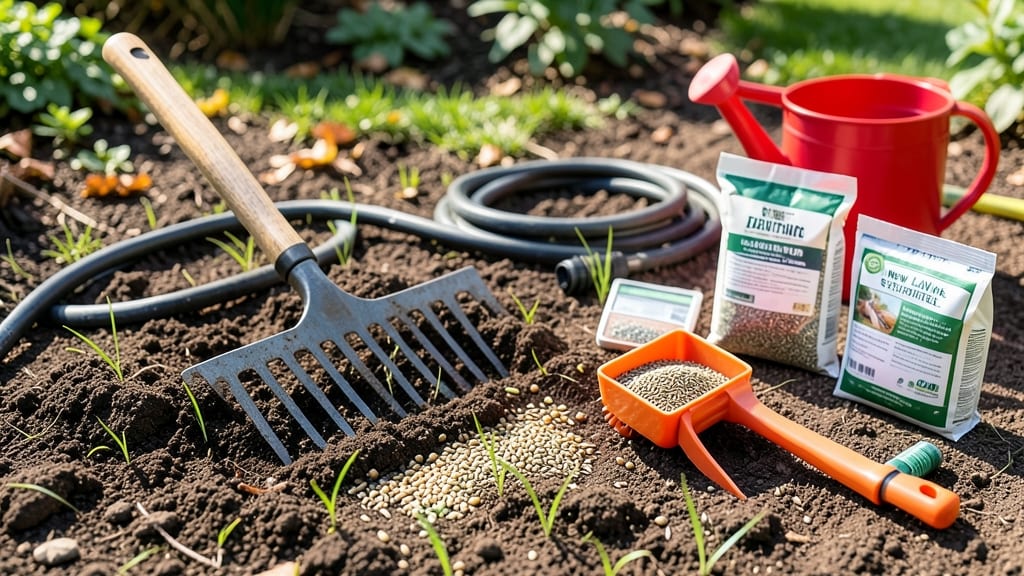
Planting grass seed in North Carolina at the right time is the key to a thick, green lawn that survives the state’s heat and humidity.
North Carolina’s humid summers and unpredictable weather can make grass seed germination a tricky balancing act—but timing it right ensures a lush, healthy lawn year after year. Missing the window by even a few weeks could leave your seed struggling against heat stress or frost damage.
For most of the state, the best window is early spring (March-April) or late summer (August-September), when soil temperatures hover between 60°F and 75°F—ideal for seed to sprout without drying out or washing away. Coastal areas may shift slightly later, while mountain regions can start earlier.
Below, I break down the exact months for your zone, how to prep soil for germination success, and the one mistake that ruins more lawns than any other.
Optimal planting windows for North Carolina’s climate zones: month-by-month breakdown
North Carolina’s 7b-8a climate zones create distinct windows for planting grass seed, where timing directly impacts germination success. The ideal soil temperature range of 60-75°F guides these periods, balancing heat stress and frost risks.
Most gardeners achieve best results in early fall (September-October) or late spring (March-April), but regional variations exist.
In Zone 7b (central NC), the primary planting window spans March 15-April 30 and September 15-October 15. Cooler mountain regions (Zone 6a) shift slightly earlier, with March 1-April 15 as ideal spring timing.
Coastal areas (Zone 8a) can extend fall planting to early November due to milder winters.
Soil temperature is your best indicator—use a soil thermometer to confirm 60°F+ before planting. In August, only shade-tolerant varieties like tall fescue thrive in inland zones, while coastal areas can handle warm-season grasses like Bermuda until mid-September.
Here’s your month-by-month breakdown for NC’s three key regions, including seed selection and preparation tips:
For spring planting, aim to finish by mid-April in Zone 7b to avoid summer heat stress. In Zone 8a, coastal gardeners can extend fall planting to early November if soil stays above 60°F. Always mow existing grass low (1-2 inches) before seeding to ensure seed-to-soil contact.
In August, only shade-tolerant varieties like fine fescue succeed in Piedmont zones, while coastal areas can handle warm-season grasses until September 15. Use a light mul
How to adjust planting timing for North Carolina’s microclimates and soil types
North Carolina’s diverse geography means your grass seed timing should shift dramatically depending on whether you’re in the Piedmont’s clay-heavy soils, the Coastal Plain’s sandy loam, or the Mountain regions’ cooler microclimates.
Each area demands a tailored approach to avoid heat stress or poor drainage issues that can derail germination.
In the Piedmont region, where clay soils retain moisture but compact easily, aim to plant tall fescue varieties in late summer (August) or early spring (March). The key is to plant when soil temperatures hover between 60-75°F—cooler than the scorching summer peaks.
For the Coastal Plain’s sandy loam, drought-tolerant bermudagrass thrives when seeded in May or September, taking advantage of the region’s longer growing season.
Mountain gardeners face cooler temps year-round, so Kentucky bluegrass planted in April or early May gives seedlings time to establish before fall’s first frost. These areas also benefit from shade-tolerant mixes like fine fescue, which handles the dappled sunlight common in wooded mountain slopes.
Planting Timing Adjustments by NC Microclimate
Piedmont Region (Clay Soils)
- Best Months: August, March
- Soil Prep: Loosen compacted clay with gypsum
- Seed Choice: Tall fescue (drought-resistant)
- Watering: Deep soak 2x daily until germination
Coastal Plain (Sandy Loam)
- Best Months: May, September
- Soil Prep: Amend with compost for moisture retention
- Seed Choice: Bermudagrass (fast-spreading)
- Watering: Frequent light watering to prevent runoff
Mountain Regions (Cooler Temps)
- Best Months: April, early May
- Soil Prep: Test pH (aim for 6.0-7.0)
- Seed Choice: Fine fescue (shade-tolerant)
- Watering: Morning watering to prevent fungal growth
For shady areas in any region, consider creeping bentgrass mixes, which tolerate 3-4 hours of sunlight daily. These varieties germinate slower but establish stronger roots in low-light conditions. In the Piedmont’s heat, avoid planting after mid-September—late-season seeds often struggle with fungal diseases from lingering summer humidity.
Drought-resistant varieties like zoysia grass are excellent for the Coastal Plain, where sandy soils drain too quickly. Plant these in late summer to let roots develop before winter’s first freeze.
Mountain regions should prioritize cool-season grasses like ryegrass, which handle the 40-50°F nighttime temps common in spring and fall.
Regardless of your NC zone, soil testing is non-negotiable. Clay soils may need sulfur amendments, while sandy loams benefit from organic matter.
Adjust your planting window by 2-3 weeks earlier if your area experiences unusually warm springs—a delayed frost can turn a perfect March planting into a heat-stressed disaster.