
Plants
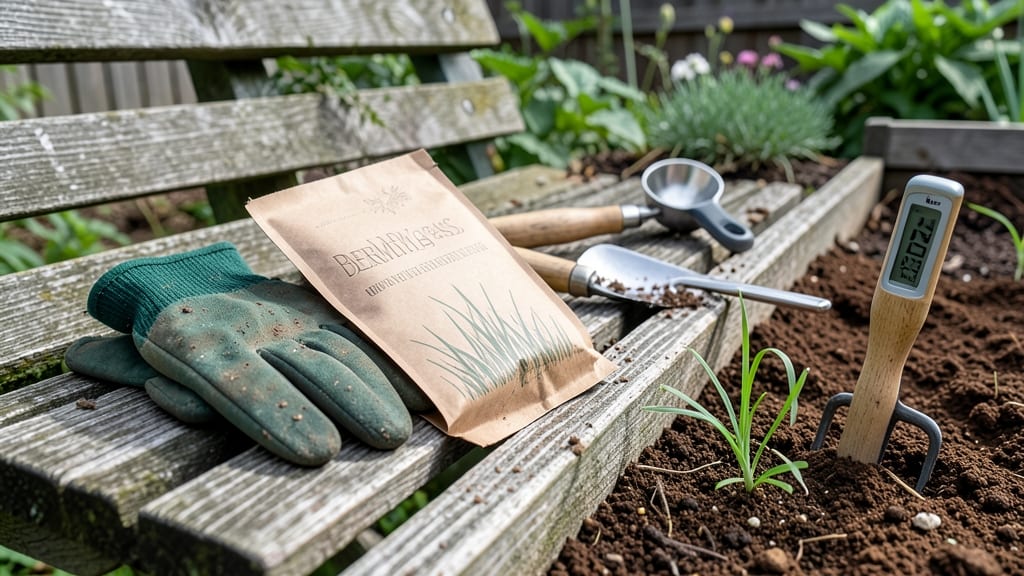
Planting Bermuda seed in Oklahoma at the right time means the difference between a fast-growing, drought-resistant lawn and months of frustration waiting for roots to take hold.
Bermuda grass thrives in Oklahoma’s heat—but planting it at the wrong time can mean slow germination, weak roots, and wasted seed. Timing is everything for a lush, drought-resistant lawn.
In USDA Zone 7a, the ideal window is late April through mid-May, after the last frost has passed and soil temperatures climb above 75°F. This aligns with Oklahoma’s spring rainfall patterns, giving your seed the moisture it needs without risking fungal issues from lingering dampness.
Below, I’ll break down the exact dates for your region, soil prep tips to speed up germination, and how to keep your new Bermuda grass thriving through Oklahoma’s summer heat.
Best planting windows for Bermuda seed in Oklahoma’s USDA Zone 7a
Timing your bermuda grass seed planting in Oklahoma’s USDA Zone 7a makes all the difference between a thick, drought-resistant lawn and wasted effort. Bermuda thrives in heat but needs consistent warmth to germinate properly.
The ideal window is late spring, when soil temperatures consistently hit 75°F+—typically mid-April through May—but microclimates across Oklahoma can shift this by weeks.
Northern Oklahoma (like Oklahoma City) often waits until mid-to-late May to avoid late frost risks, while southern regions (such as Lawton or Altus) can plant as early as early April.
The key is soil temperature, not calendar dates—use a soil thermometer to confirm readiness before sowing.
Bermuda seed germinates best when soil stays above 75°F for 3+ days. In Zone 7a, this usually aligns with late April to early May, but heat spikes in June can stress young seedlings.
Planting too early risks frost damage, while planting too late may lead to poor root establishment before summer’s peak heat.
Oklahoma’s microclimates add complexity: Western OK’s sandy soils warm faster than eastern clay-heavy areas. Adjust your timeline by 1–2 weeks if you’re in a warmer southern county like Comanche or Jackson, where frost is rare by April.
If you miss the primary window, you can try early June in northern Oklahoma, but expect slower establishment and higher water needs as summer heat arrives.
Bermuda grass planted in June may still fill in by late summer, but it won’t reach full density until the following spring.
Pro tip: Monitor local weather forecasts for 10-day highs. If nighttime temps drop below 60°F after planting, cover seedlings with lightweight frost cloth to protect them until they’re 3–4 inches tall. This is critical in Zone 7a’s transitional months of April and May.
For best results, aim to have 60% of your lawn planted by May 1st in most of Oklahoma. Southern counties can start 2 weeks earlier, while northern areas should wait until after May 15th to avoid frost. Test your soil’s warmth with a thermometer—don’t guess!
Once planted, consistent moisture is key. Bermuda seed needs daily watering (¼ inch/day) until germination (7–14 days). Skipping this step leads to patchy growth and weed competition. Use a rain gauge or tuna can to measure—Oklahoma’s spring showers can make it easy to overwater.
Remember: Bermuda grass is a warm-season grass, meaning it goes dormant in winter. Planting too early won’t help it survive frost—it just wastes seed. Wait for warmth, and your lawn will reward you with dense, heat-loving turf by summer.
How to prepare Oklahoma soil for Bermuda seed germination
Bermuda grass thrives in Oklahoma’s clay-heavy soils and sandy loam regions, but proper soil prep is critical for fast germination. The key lies in pH balance, tilling depth, and nutrient-rich amendments tailored to your region.
Central Oklahoma’s heavy clay needs extra aeration, while western areas with sandy soil require moisture retention. Let’s break down the exact steps to create the perfect seedbed for your drought-resistant lawn.
Start by testing your soil pH—Bermuda grass prefers a 6.0–7.0 range. Use a home test kit or send a sample to your local Cooperative Extension Service. If your soil is too acidic (below 6.0), apply pelletized lime 2–3 months before planting.
For alkaline soils (above 7.0), work in sulfur or peat moss to lower the pH gradually. Oklahoma’s variable rainfall can also affect pH, so retest after amendments.
⚠️ callout-warning ⚠️
⚠️ Critical Mistake: Over-Tilling Sandy Soil
Western Oklahoma’s sandy loam loses moisture and nutrients when over-tilled. Limit tilling to 1–2 inches deep—deeper tilling disrupts soil structure and exposes seeds to drought stress. For clay soils, use a heavy-duty tiller to break up compaction without pulverizing the topsoil.
🌱 Pro Tip: Mix in compost or aged manure after tilling to improve water retention in sandy areas.
After adjusting pH, till the soil to a 1–2 inch depth to loosen compaction and create a fine seedbed. Use a rototiller for clay soils and a hand rake for sandy areas to avoid overworking the soil.
Remove rocks, debris, and old grass clumps—Bermuda seeds need direct contact with soil for optimal germination. Level the area with a garden rake to prevent water pooling, which can drown seeds or cause fungal issues.
Incorporate a high-phosphorus fertilizer (like a 10-20-10 blend) into the top 2 inches of soil before planting. Phosphorus promotes root development, which is crucial for Bermuda’s drought tolerance.
For clay-heavy soils, add gypsum to improve drainage, while sandy soils benefit from composted organic matter to boost moisture retention. Spread fertilizer evenly and water lightly to activate nutrients.
For regions with high clay content (like central Oklahoma), mix in coarse sand or perlite to improve aeration. In sandy loam areas (common in western OK), blend in peat moss or coco coir to help retain water.
Test your soil’s moisture retention by digging a small hole—soil should hold moisture but not stay soggy. Bermuda seeds need consistent moisture to germinate, so aim for 60% moisture in the top inch of soil.
Finally, create a smooth, firm seedbed by lightly raking the surface to ensure seeds make even contact with the soil. Avoid walking on the area after prep to prevent compacting the soil again.
If planting in late spring (Oklahoma’s ideal window), water the soil 24 hours before seeding to encourage faster germination. With the right prep, your Bermuda grass will establish strong roots in as little as 10–14 days.
🌱 Now that your soil is ready, the next step is planting timing—aim for late April to mid-May in USDA Zone 7a to avoid late frosts and summer heat stress. Your drought-resistant lawn is just weeks away!