
Plants
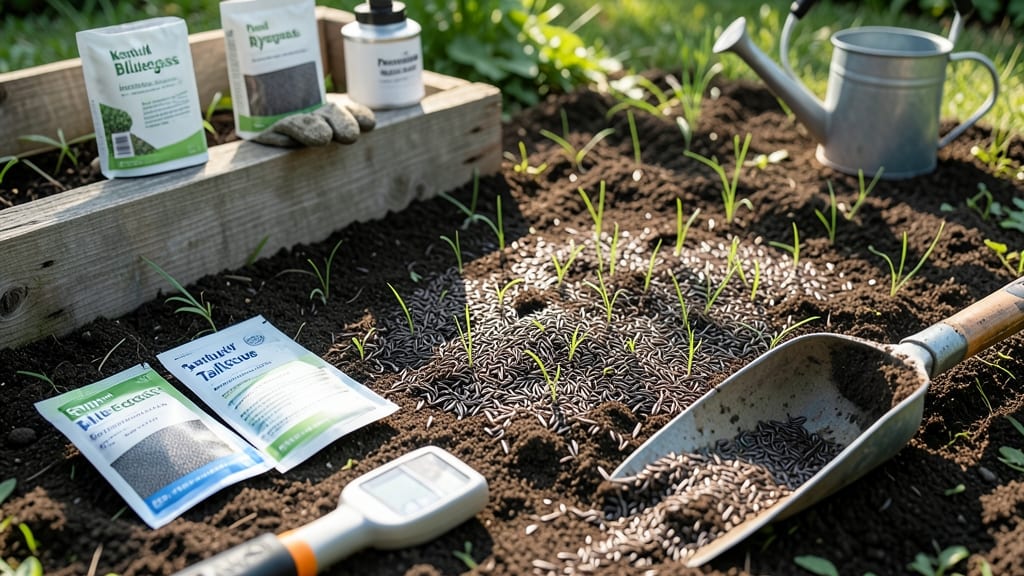
Planting grass seed in the spring at the right time ensures strong root growth and a lush lawn 🌱—and missing that window can mean patchy germination or wasted seed.
Timing your spring grass seed planting can mean the difference between a lush, green lawn and a patchy, weak one—especially when local climate zones demand precision.
In Zone 6a (like most of the Midwest), the ideal window opens 4-6 weeks before your last frost, typically in early March through April. But cooler zones need to wait longer, while warmer areas can start sooner.
Below, I’ll break down the exact dates by zone, how to prep your soil for success, and the 3 key signs your lawn is ready to thrive—plus what happens if you plant too early or too late.
USDA planting Zones and ideal spring grass seed dates
Timing your spring grass seed planting is zone-dependent, as climate variations drastically affect germination success. Cool-season grasses like Kentucky Bluegrass and Fescue thrive in USDA Zones 3-7, while warm-season grasses such as Bermuda and Zoysia prefer Zones 7-11.
Planting too early risks frost damage, while waiting too late invites weed competition. Let's break down the ideal planting windows by zone to ensure strong root growth.
For Zones 3-5, where winters are harsh, aim to plant 4-6 weeks before your last frost date—typically late April to early May. These northern regions benefit from early spring planting when soil temperatures consistently reach 50-55°F.
In Zones 6-7, you have more flexibility, with March to early April being ideal for cool-season varieties like Tall Fescue.
Southern zones (8-11) favor warm-season grasses, which should be planted when soil temps hit 65-70°F.
This usually means late spring to early summer—April to June in Zone 8, and May to July in Zones 9-11. Bermuda grass, for example, struggles if planted too early in hot climates and may suffer from heat stress.
Here’s a quick reference for your zone—use this to fine-tune your planting schedule based on local conditions:
| USDA Zone | Grass Type | Ideal Planting Window | Soil Temp Threshold | Key Risks |
|---|---|---|---|---|
| Zones 3-5 | Cool-Season (Kentucky Bluegrass, Fescue) | Late April–Early May | 50–55°F | Late frost, slow germination |
| Zones 6-7 | Cool-Season (Tall Fescue, Ryegrass) | March–Early April | 50–60°F | Weed competition if delayed |
| Zone 8 | Cool-Season (Fescue) or Warm-Season (Bermuda) | March–April (cool) or May–June (warm) | 50°F (cool) / 65°F (warm) | Heat stress for cool-season |
| Zones 9-11 | Warm-Season (Zoysia, St. Augustine) | May–July | 65–75°F | Drought stress if planted late |
In Zones 3-5, where frost lingers, prioritize early spring planting to avoid late-season weeds outcompeting your grass. Use a light mulch of straw to protect seeds from erratic temperature swings.
For Zones 6-7, focus on soil temperature—wait until it stabilizes above 50°F for 5-7 days to ensure consistent germination.
Southern zones (8-11) demand patience. Warm-season grasses like Centipede grass won’t germinate until soil temps hit 65°F, so resist the urge to plant early.
In Zone 10-11, where summers are brutal, consider shade-tolerant varieties like St. Augustine to reduce heat stress. Always check your local extension service for hyper-local adjustments!
Pro tip: Use a soil thermometer to monitor conditions—this is more accurate than guessing by date. Aim for consistent temps for at least a week before planting.
For cool-season grasses, this means 50-60°F; for warm-season, 65-70°F. Overwatering at this stage can drown seeds, so keep soil moist but not soggy.
Remember, overseeding in fall is often the best strategy for cool-season grasses in Zones 3-7, but spring planting sets the foundation. If you’re in a transition zone (Zone 8), you can plant both cool-season in spring and warm-season in late spring for year-round coverage.
Just stagger your plantings by 4-6 weeks to avoid competition.
Finally, test your soil pH before planting—most grasses prefer 6.0-7.0. Amend with lime (to raise pH) or sulfur (to lower pH) as needed. A well-prepped seedbed with loose topsoil and removed debris will give your grass the best start.
With the right timing and care, you’ll see uniform germination in 7-14 days!
Key factors that determine your perfect planting window
While USDA planting zones give you a starting point, your perfect planting window depends on more than just the number. The last frost date, soil temperature, and even rainfall patterns play critical roles in determining when to plant grass seed for the best results.
For example, in Zone 6a, the average last frost is April 15, but you shouldn’t wait until then. Grass seeds need consistent soil temperatures between 50-65°F to germinate properly. Planting too early risks frost damage, while waiting too late can lead to weed competition and poor establishment.
Local weather forecasts are your best friend here. Check for stable temperatures and predictable rainfall—at least 1 inch of water per week—to ensure your seeds stay moist and germinate evenly.
If you’re in a cooler zone (3-5), aim to plant 6-8 weeks before your last frost to account for slower soil warming. In warmer zones (7-11), you can start as early as February, but monitor soil temps closely—grass seeds can rot in soils above 75°F.
I recommend using a soil thermometer to check temperatures at a 4-inch depth. If the soil is below 50°F, wait a few more days. Pair this with a 10-day weather forecast to predict stable conditions for the next 2-3 weeks—this is your ideal planting window.
Finally, don’t overlook moisture consistency. If your area is forecasted for dry spells, consider using a lightweight mulch or temporary irrigation setup to maintain soil moisture until germination (14-21 days).