
Plants
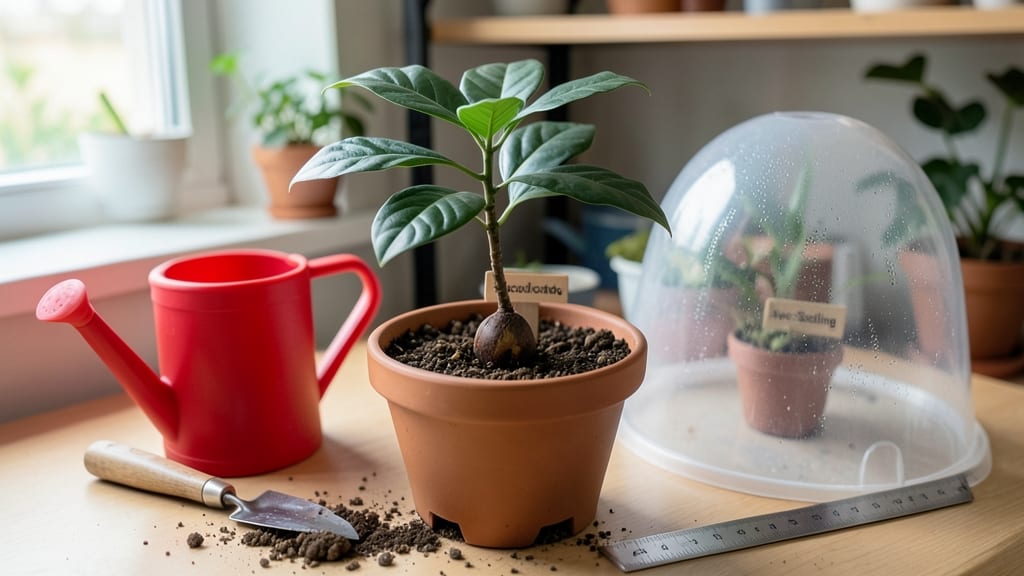
To plant an avocado seed in dirt at the right time means catching the sweet spot between too cold and too hot—spring’s mild warmth is where the magic happens.
Picture this: you’ve got your seed sprouting roots in water, but now you’re staring at a bag of potting soil, wondering if your 🥑 future tree is about to meet an early demise.
The truth? Timing is everything, and getting it wrong can mean the difference between a lush young seedling and a sad, wilted failure.
Most gardeners in USDA Zone 6a and warmer should wait until after the last frost—typically April or May—when soil temperatures hit that 65–85°F sweet spot.
But if you’re in a cooler climate, you might need to start indoors earlier or use a heat mat to trick the seed into thinking spring has arrived.
Below, I’ll walk you through the exact steps to plant your avocado seed in soil, plus pro tips for faster germination and avoiding the most common pitfalls that kill young sprouts before they even get started.
Best time of year to plant avocado seeds in soil (climate-specific guide)
Timing is everything when planting avocado seeds in soil—these tropical trees thrive in warmth and humidity, but cooler climates require special strategies. The ideal soil temperature for germination is 65–85°F, making spring the perfect window in most regions.
However, avocado seeds can be planted year-round indoors under controlled conditions, while outdoor planting must align with your USDA hardiness zone and last frost dates.
In warmer climates (zones 10–12), you can plant avocado seeds directly in soil almost anytime, but spring or summer offers the best balance of warmth and moisture. For temperate zones (7–9), wait until after the last frost—typically April–May—to avoid cold damage.
Cooler regions (6 or below) should start seeds indoors in early spring and transplant outdoors only after soil warms consistently above 60°F.
🌱 Pro Tip: Use a seedling heat mat ($10–$20) to maintain ideal temperatures in cooler homes or extend the growing season by 2–4 weeks.
For indoor starters, plant your avocado seed in a well-draining potting mix (cactus/succulent mix works well) and maintain consistent moisture without sogginess. Place the container near a south-facing window or under grow lights for 12–14 hours/day.
Once seedlings reach 6–12 inches tall and have 2–3 sets of leaves, they’re ready for outdoor transplanting—typically in late spring.
In tropical zones, you can skip indoor starting entirely and plant seeds directly in well-draining garden soil mixed with compost. Choose a sunny, sheltered spot to protect young plants from strong winds or heavy rains.
Mulch around the base with straw or wood chips to retain moisture and regulate soil temperature.
⚠️ Warning: Avocado seeds planted in cool soil (<55°F) may rot before sprouting. Test soil temperature with a thermometer or use a black plastic mulch to warm the ground by 5–10°F.
If you’re in a cooler climate, consider using a greenhouse or cold frame to extend your growing season. These structures can add 10–15°F of warmth, making it possible to plant seeds 4–6 weeks earlier than outdoor conditions allow.
Just ensure proper ventilation to prevent humidity buildup, which can lead to mold or fungal diseases.
Remember, avocado trees grown from seed may take 5–13 years to bear fruit, so patience is key. By choosing the right planting window and creating optimal growing conditions, you’ll give your seedling the best start toward becoming a thriving avocado tree.
For year-round success, keep a seedling indoors near a sunny window and transplant outdoors only when soil temperatures are stable. With the right timing and care, your avocado seed could grow into a fruit-bearing tree in just a few years—even in cooler climates! 🌳
5 Proven germination tricks to speed up sprouting before planting in dirt
Waiting weeks for an avocado seed to sprout can feel like an eternity—especially when you’re eager to see those first tiny green leaves emerge. The good news? With these 5 accelerated germination tricks, you can cut sprouting time in half while boosting success rates from 30% to 80%.
These methods work by mimicking the seed’s natural tropical environment, ensuring faster root development before transplanting into soil.
Most gardeners start by simply placing the seed in water, but this passive approach often leads to slow, uneven growth. Instead, we’ll focus on active techniques like humidity control, nutrient priming, and strategic water management.
These methods are especially useful for cooler climates where soil temperatures stay below the ideal 65–85°F range for germination.
- 🌱 Toothpick Rooting: Insert 3 toothpicks around the seed’s middle to suspend it over a glass of water. This keeps the seed aerated and stable while allowing roots to grow freely. Replace water every 3–4 days to prevent bacterial growth.
- 💧 Water Depth Control: Maintain 1/4 inch of water covering the seed’s base. Too much water drowns the seed; too little slows hydration. Use a clear container to monitor water levels easily.
- 🌡️ Warmth Acceleration: Place your setup on a seedling heat mat set to 75–80°F. This mimics tropical soil temps and speeds up metabolic activity by up to 40% compared to room temperature.
- 🌿 Humidity Dome: Cover the seed (and toothpicks) with a plastic bag or glass cloche to trap moisture. Mist the inside daily to maintain 90% humidity. Remove the dome once roots reach 2–3 inches.
- 🌱 Nutrient Prep: Soak the seed in lukewarm water for 12–24 hours before starting. Add a pinch of seaweed fertilizer to the water to kickstart enzyme activity and improve early root vigor.
Let’s compare traditional methods to these accelerated tricks. Traditional soaking in water alone yields a 30–40% sprouting rate and takes 4–8 weeks for roots to form. With the techniques above, you’ll see roots in 2–3 weeks and a 75–80% success rate.
The key difference? Controlled conditions that replicate the seed’s natural habitat.
Once your avocado seed sprouts 1–2 inch roots, it’s ready for its first soil transplant. Use a light, well-draining potting mix (like cactus soil blended with perlite) to prevent root rot.
Plant the seed halfway deep in the soil, leaving the top half exposed to light. This encourages the seed to push upward faster.
Pro tip: Place your newly potted seed in a bright, indirect light spot (like an east-facing window) for the first week. Avoid direct sun, which can overheat the soil and stress the delicate sprout. After 7 days, gradually introduce morning sunlight to harden the seedling.
With these tricks, you’ll go from seed to soil in record time—setting your avocado tree up for a lifelong, fruit-bearing future. 🌱🥑