Plants
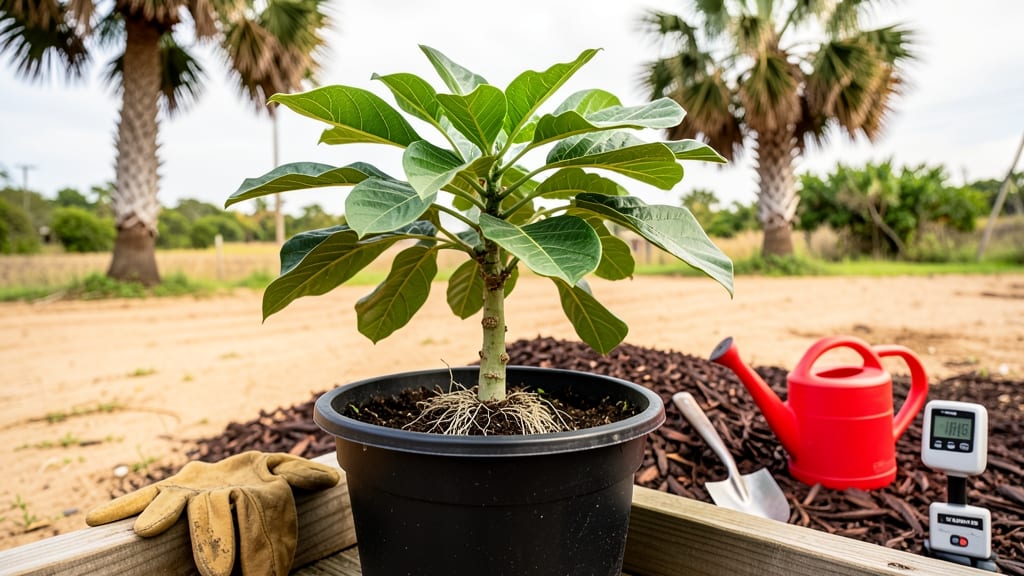
Planting an avocado tree in Florida at the right time ensures it thrives in your 9a-11 climate without frost stress.
Florida’s warm climate makes it a paradise for growing avocado trees—but planting at the wrong time can mean stunted growth or even death. Timing is everything when you want a thriving 🥑 tree that produces fruit for years.
Unlike northern states, Florida’s frost-free growing season means you can plant year-round, but spring and fall offer the best conditions. In spring, soil warms faster, while fall avoids summer’s scorching heat and gives roots time to establish before winter.
Below, I break down the ideal months by region—whether you’re in Miami’s coastal warmth or Orlando’s inland heat—plus tips for container planting and soil prep to set your avocado tree up for success.
Optimal Florida planting months for avocado trees (with frost-free guarantees)
Florida’s frost-free climate means you can plant avocado trees almost year-round—but timing still matters for maximum growth and fruit production. Unlike northern states, you won’t face frost damage, but soil temperature and seasonal humidity play critical roles.
Spring and fall emerge as the best windows because they offer cooler temps that reduce transplant shock.
Avocado trees thrive in USDA zones 9a-11, covering all of Florida. However, North Florida (zones 8b-9a) experiences occasional cold snaps, while South Florida (zones 10b-11) enjoys year-round warmth.
Even in the warmest regions, midday heat in summer can stress young trees, making early spring or late fall ideal for planting.
Here’s a quick seasonal breakdown of planting success rates in Florida:
Spring planting (February–April) is my top recommendation because soil temperatures are consistently warm but not extreme. The humidity drops compared to summer, reducing fungal risks like root rot. Aim for February–March in North Florida to avoid late-spring heatwaves, while South Florida gardeners can extend planting into April.
Fall planting (September–November) offers cooler air and higher humidity, which helps young roots establish before winter. September is ideal in North Florida, while South Florida can plant as late as November. Avoid December in colder microclimates (e.g., Gainesville) where temps dip below 50°F at night.
Summer planting (May–August) is possible but risky for bare-root seedlings. Container-grown trees handle heat better, but you’ll need to water deeply every 3–5 days and provide afternoon shade for the first 6 weeks. If you must plant in summer, choose May or late August to avoid peak heat.
Winter planting (December–January) is only recommended for established trees or container-grown avocados. Young trees planted in winter may experience stunted growth due to lower light levels. If you’re in South Florida (zones 10b-11), winter is a safe time, but North Florida gardeners should wait until February.
To avoid transplant shock, always plant when soil temps are above 60°F. Use a soil thermometer to check—dig 2 inches deep in the morning. If temps are cooler, delay planting or use black plastic mulch to warm the soil faster.
For container planting, this rule doesn’t apply, giving you year-round flexibility.
Pro tip: Bare-root seedlings establish faster in fall, while potted trees are better for summer planting. Always prune damaged roots before planting and water thoroughly at transplant to reduce shock. Mulch with 3–4 inches of wood chips to retain moisture and regulate soil temperature.
How to choose the perfect planting time based on your Florida location
Florida’s diverse climate means your avocado tree planting time depends heavily on where you live. In South Florida, like Miami or Key West, you can plant almost year-round, while North Florida, such as Jacksonville or Gainesville, has slightly cooler winters that require careful timing.
Let’s break down the best windows for each region to ensure your tree thrives from day one.
For South Florida, the ideal planting months are January through April or September through November. The soil stays warm year-round, but avoiding the peak summer heat (May-August) reduces transplant shock.
In Central Florida (Orlando, Tampa), aim for February through May or September through October, as cooler winters can stress young trees if planted too late.
In North Florida, where temperatures dip slightly in winter, the best times are March through May or September through early November. This gives roots time to establish before potential cold snaps.
Coastal areas like Key West benefit from ocean breezes, while inland zones may need extra protection from heat islands.
Urban heat islands in cities like Orlando can raise soil temperatures by 10-15°F, so plant slightly earlier in spring to avoid stress. Coastal areas like Key West benefit from ocean breezes, which moderate temperatures—ideal for year-round planting with proper care.
Always check your local USDA zone (9a-11 in Florida) and monitor soil temperature with a thermometer before planting.
If you’re unsure about your local microclimate, observe nearby mature avocado trees. Healthy growth in winter suggests your area is safe for planting. For container growing, timing is flexible, but still avoid extreme heat or cold.
With the right approach, your avocado tree will reward you with lush growth and delicious fruit for decades.
🌱