
Plants
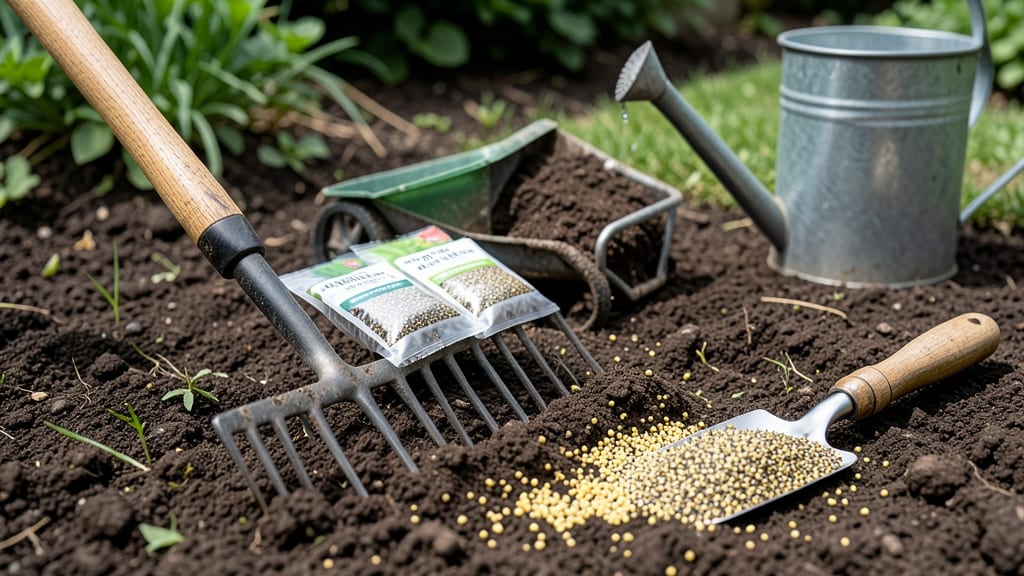
Planting grass seed in spring at the right time ensures thick, healthy growth—so timing it 4-6 weeks before your last frost is the key to success.
Miss that window, and you risk weak germination from late frosts or stunted growth when summer heat arrives. I’ve seen lawns struggle when planted too early, only to recover with the right adjustments.
Your USDA zone determines the exact weeks to plant, whether you’re in cooler Zone 6a or warmer regions. Early spring is ideal for cool-season grasses, while warm-season types wait until late spring.
Below, I break down the best weeks by zone, soil prep tips, and post-planting care to guarantee a lush lawn—no guesswork needed.
Best spring weeks to plant grass seed by USDA zone (with exact dates)
Planting grass seed at the wrong time in spring can lead to poor germination, weed competition, or even seed loss from heat or frost. The key is planting when soil temperatures are consistently above 50°F (10°C) for cool-season grasses or at least 60°F (16°C) for warm-season varieties.
Timing also depends on your USDA zone, frost dates, and local climate patterns.
For most gardeners, the ideal spring window is between 4-6 weeks before your last frost date for cool-season grasses like Kentucky Bluegrass or Fescue. Warm-season grasses like Bermuda or Zoysia, however, thrive when planted after the last frost, typically in late spring or early summer.
Let’s break down the exact weeks by zone to maximize your lawn’s success.
| USDA Zone | Cool-Season Grasses | Warm-Season Grasses | Soil Temp Threshold | Notes |
|---|---|---|---|---|
| 3-4 | Late April - Early May | Late May - Early June | 50°F (10°C) | Long frost season; wait for stable temps |
| 5-6 | Mid-April - Late April | Early May - Mid-May | 50°F (10°C) | Cooler nights; protect seedlings |
| 7-8 | Early April - Mid-April | Late April - Early May | 55°F (13°C) | Warmer soil speeds germination |
| 9-10 | Late March - Early April | Early April - Mid-April | 60°F (16°C) | Early planting avoids summer drought |
| 11 | Early March - Late March | Mid-March - Early April | 65°F (18°C) | Warm winters; plant early |
In USDA Zones 3-4, where frost lingers into May, aim for late April to early May for cool-season grasses. These zones often experience unpredictable late frosts, so avoid planting too early.
For warm-season grasses, wait until soil temperatures consistently stay above 60°F (16°C), usually in late May or June.
Zones 5-6 offer a slightly earlier window—mid-April to late April for cool-season types like Tall Fescue. This timing ensures seedlings establish before summer heat arrives.
If you’re planting Bermuda grass, hold off until early May when soil warms up. Soil temperature is your best guide: use a soil thermometer to confirm it’s ready.
Gardeners in Zones 7-8 can start as early as early April for cool-season grasses, thanks to milder winters. Warm-season grasses like Zoysia should go in by late April to avoid summer drought stress.
These zones benefit from earlier germination due to faster soil warming, but don’t rush—wait for stable temperatures above 55°F (13°C).
Southern zones 9-10 have the earliest planting windows, with cool-season grasses going in as early as late March. Warm-season grasses like Centipede grass thrive when planted in early April, as summer heat arrives quickly.
The key here is avoiding late spring heat, which can dry out young seedlings before they establish.
For Zone 11, where winters are mild, planting can begin as early as early March for cool-season varieties. Warm-season grasses like St. Augustine should be sown by mid-March to take advantage of the longer growing season.
However, be cautious of late spring rains, which can lead to fungal issues like dollar spot.
Regardless of your zone, always test soil moisture before planting. The top 1-2 inches of soil should feel damp but not soggy. If your region experiences unpredictable rain, consider using a seed starter fertilizer to boost early growth.
Mulching lightly with straw can also help retain moisture and protect seedlings from temperature swings.
Pro tip: Mark your calendar 6 weeks before your last frost date to start soil prep, including aeration and weed control. This gives you enough time to create the perfect seedbed for your new lawn.
With the right timing, you’ll see thick, uniform growth in just 3-4 weeks—no patchy spots in sight! 🌱
How to prepare your lawn for spring grass seed planting (step-by-step)
Spring is the perfect time to refresh your lawn, but proper preparation is key to ensuring your grass seed germinates and establishes strong roots. Skipping these steps can lead to weak growth, uneven coverage, or even wasted seed.
I’ve learned the hard way that rushing this process often results in patchy lawns—so let’s do it right!
Your lawn’s success starts with soil preparation. Healthy soil provides the nutrients and moisture your new grass needs to thrive. Begin by removing all debris, including leaves, rocks, and dead plant matter.
A clean slate ensures your seeds make direct contact with the soil, which is critical for germination rates. Use a rake to level the surface and fill in any low spots.
- Test Soil pH: Use a kit to check if your soil is between 6.0 and 7.0. If it’s too acidic or alkaline, amend it with lime or sulfur before planting.
- Aerate the Lawn: Rent a core aerator to create 1/2-inch holes every 2-3 inches. This loosens compacted soil and improves seed-to-soil contact.
- Control Weeds: Apply a pre-emergent herbicide if weeds are a problem, or hand-pull them after aerating. Avoid post-emergent herbicides before planting.
- Spread Compost: Apply a 1/4-inch layer of compost or starter fertilizer to provide essential nutrients. Work it into the top inch of soil with a rake.
- Water Lightly: Moisten the soil 24 hours before planting to create the perfect environment for seed germination.
After preparing your soil, the next critical step is weed control. Weeds compete with your new grass for water, nutrients, and sunlight. If you notice any stubborn weeds, like dandelions or clover, treat them with a spot herbicide at least 2 weeks before planting.
For a natural approach, try vinegar-based sprays or manual removal with a hoe.
Don’t overlook moisture management—it’s one of the biggest factors in successful germination. Water your lawn deeply and evenly every day for the first 2 weeks after planting. Use a sprinkler that delivers a gentle, even mist to avoid displacing seeds.
Aim for about 1/2 inch of water per week, and always water in the early morning to reduce evaporation and fungal risks.
Finally, consider using a starter fertilizer to give your new grass a nutrient boost. Look for one with a high phosphorus content (the middle number on the NPK label) to encourage strong root development.
Apply it evenly over the seeded area and lightly rake it into the soil. This step ensures your grass has the energy it needs to establish quickly and outcompete weeds.
With these steps completed, your lawn is ready for grass seed planting. The key is patience—keep the soil consistently moist, and avoid walking on the area until the new grass reaches 3 inches tall.
In just a few weeks, you’ll see lush, green growth that transforms your lawn into the envy of the neighborhood! 🌿