
How To
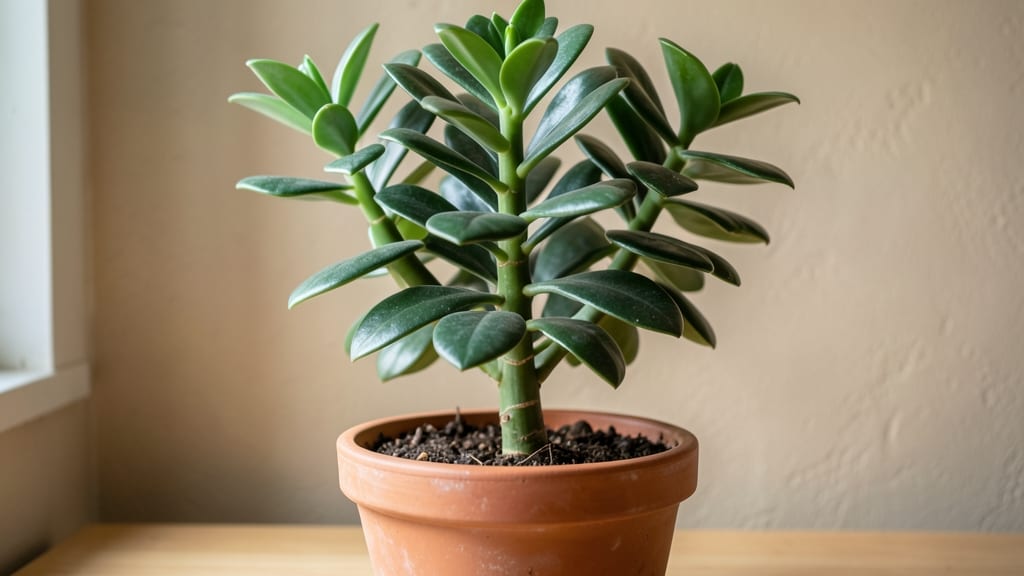
A ZZ plant needs surprisingly little light to thrive—bright indirect sunlight is ideal, but it handles low-light conditions without fuss.
Struggling to keep your 🌱 ZZ plant alive? The secret might be simpler than you think—this hardy plant thrives in conditions most houseplants would reject, including dim corners and bright indirect light.
Unlike fussy tropicals, ZZ plants tolerate everything from fluorescent office lighting to a north-facing window, making them the perfect low-maintenance choice for busy homes.
Below, I’ll break down exactly how much light your ZZ plant needs—plus how to spot signs of too much or too little—and keep those glossy leaves looking their best.

Ideal light spectrum for ZZ plants: low to bright indirect sunlight explained
The ZZ plant (Zamioculcas zamiifolia) is one of nature's most forgiving houseplants, thriving in conditions where other plants would struggle. Unlike sun-loving succulents, ZZ plants adapt to low-light offices or bright indirect sunlight near windows.
This flexibility comes from their unique rhizome storage system, which stores water and nutrients for long periods.
ZZ plants can survive with as little as 100-200 foot-candles of light, making them perfect for dimly lit bathrooms or north-facing rooms. However, they’ll grow faster and develop richer glossy green leaves with 200-500 foot-candles of bright indirect light.
Direct sun can scorch their leaves, while too little light leads to leggy, sparse growth.
Here’s how different light levels affect your ZZ plant’s growth and appearance:
The ZZ plant’s rhizome acts like a water battery, storing energy to survive low-light conditions for months. This is why they’re often called the "eternity plant"—they’ll bounce back even if neglected. However, pushing them into extreme low light (like a closet) will slow growth and weaken their resilience over time.
For optimal growth, aim for bright indirect light, such as placing your ZZ plant 3-5 feet away from a south-facing window or directly under an east or west-facing window.
If your home lacks natural light, a grow light (12 hours/day) can mimic ideal conditions without risking leaf burn.
One common misconception is that ZZ plants thrive in dark corners. While they’ll survive, their growth rate drops, and leaves may become smaller and paler. To encourage fuller growth, rotate your plant quarter-turns every 2-3 weeks so all sides receive even light exposure.
If you notice yellowing leaves or brown tips, it’s often a sign of overwatering rather than light issues. However, crispy edges on leaves usually indicate too much direct sun or low humidity.
Move your ZZ plant to a shadier spot and check your watering habits—ZZ plants prefer dry soil over soggy roots.
ZZ plants are photosynthetically efficient, meaning they can convert light into energy even in low-light conditions. This adaptability is why they’re perfect for beginners and busy plant parents.
Just remember: while they tolerate neglect, they’ll reward you with lush, healthy growth when given bright indirect light and proper care.
For the fastest growth, place your ZZ plant near a window where it gets 2-4 hours of indirect sunlight daily. If your home has artificial lighting, position it under fluorescent or LED bulbs for 6-8 hours to mimic natural light cycles.
Signs your ZZ plant isn’t getting the right light (and how to fix it)
Your ZZ plant might be sending silent signals about its light needs—brown leaf tips, stretched stems, or slow growth are all common clues. Unlike high-maintenance houseplants, ZZ plants adapt to a wide range of light, but even they have limits.
The key is recognizing the subtle differences between underlighting and overlighting so you can adjust before damage sets in.
If your ZZ plant looks leggy with sparse leaves, it’s likely stretching toward a light source. This happens when it’s placed in a dim corner or under artificial lighting that’s too weak.
On the flip side, crispy brown edges or bleached leaves mean it’s getting too much direct sunlight, especially from south- or west-facing windows.
⚠️ callout warning ⚠️
For offices or basements, fluorescent lights work, but supplement with a grow light 6-8 inches away for 6-8 hours daily if growth stalls. Rotate your plant quarter-turns every 2 weeks to prevent uneven light exposure, which causes lopsided growth.
Start by checking your ZZ plant’s current location. If it’s in a north-facing window, it’s likely getting just enough light—no changes needed. But if it’s near a south-facing window, move it back 3-6 feet or use a sheer curtain to diffuse harsh rays. Brown patches on leaves?
That’s a clear sign of sunburn, and the fix is immediate shade.
Slow growth and small leaves are classic signs of underlighting. If your ZZ plant hasn’t grown in months, try relocating it to a brighter spot or add a reflective surface (like a white wall) to bounce light onto its leaves.
Even a rotating plant stand can help maximize exposure without direct sun.
Pro tip: Test your light conditions by placing a white piece of paper near your ZZ plant. If the paper stays bright after a few hours, the light is safe.
If it fades or yellows, the light is too intense. Adjust accordingly—your ZZ plant will thank you with glossy, healthy leaves in no time.
Remember, ZZ plants are forgiving, but they’re not invincible. Addressing light issues early prevents long-term damage. With the right placement, your ZZ plant will reward you with vigorous growth and year-round greenery, no matter where you live. 🌿