
Plants
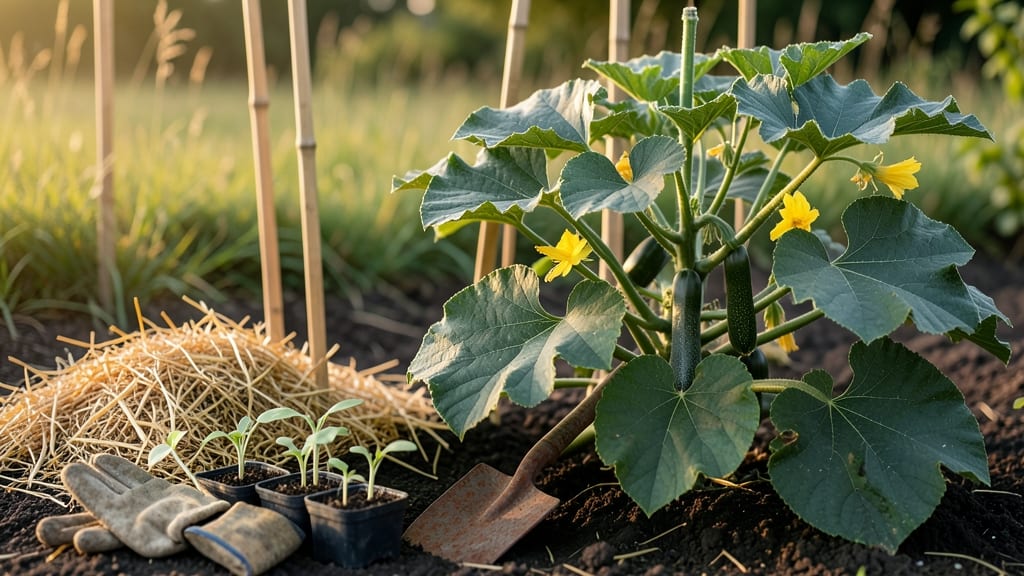
Planting zucchini in Indiana 2-4 weeks before your last frost date is the secret to a summer overflowing with 🎃—but timing is everything, and getting it wrong means wasted seeds or stunted plants.
Indiana gardeners know frost can turn your hard work to ice in a single night, while planting too late risks missing the sweet spot for harvests from July through September.
The key? Waiting until soil temperatures hit at least 60°F and all frost danger has passed—usually mid-April to early May, depending on your zone.
This guide breaks down the exact weeks before last frost for Indiana’s 5b-6b zones, plus backup dates if spring drags on. You’ll also discover how to extend your growing season with simple tricks like row covers and mulch, so you’re harvesting long after your neighbors’ plants have faded.
Ready to grow zucchini like a pro? Let’s dive into the perfect planting schedule, the best varieties for Indiana’s heat, and the mistakes that derail even the most eager gardeners.
Indiana zucchini planting schedule: exact weeks before last frost by zone
Indiana’s climate varies dramatically from north to south, creating six distinct planting zones (5a-6b) that dictate when to plant zucchini for maximum success. The last spring frost typically arrives between mid-April and early May, but your exact planting window depends on your zone.
Zucchini thrives in warm soil (60°F+), so rushing too early risks frost damage to tender seedlings.
For most Indiana gardeners, the ideal planting window is 2-4 weeks before the last frost date. This gives zucchini plants enough time to establish roots before summer heat arrives.
However, northern zones (5a-5b) often need a later start, while southern zones (6a-6b) can plant slightly earlier. Always check your local frost-free date for precision.
Here’s the exact planting schedule by Indiana zone, including backup dates for late starts. Use this as your roadmap to avoid missed harvests or frost-killed plants.
If you’re planting zucchini transplants (instead of seeds), opt for the later end of the window since they establish faster.
For direct-seeded zucchini, start at the earlier date—they germinate quickly but need warmth. Northern Indiana gardeners (zones 5a-5b) should prioritize fast-maturing varieties like 'Eight Ball' or 'Black Beauty' to ensure harvests before fall frost.
For those in zones 6a-6b, you can push the envelope slightly by planting 3-4 weeks before last frost using black plastic mulch or row covers. This warms the soil faster and protects young plants.
Test soil temperature with a soil thermometer—zucchini won’t germinate well below 60°F. If your soil is cold, wait until it warms up, even if it means delaying planting by a week or two.
Pro tip: Use succession planting every 2 weeks after your initial planting to extend harvests. This works especially well in southern Indiana (zones 6a-6b), where the growing season is longer.
Plant a final batch in early July for a late-summer harvest before fall frost arrives in mid-October. This strategy ensures you’ll have fresh zucchini from June through September.
Don’t forget to harden off transplants for 5-7 days before setting them in the ground. Move them outdoors gradually during the day and bring them back inside at night. This acclimates them to Indiana’s variable spring weather, reducing transplant shock.
For seedlings started indoors, transplant them after the last frost date when nighttime temperatures stay above 50°F consistently.
If you miss the ideal window, don’t panic! Zucchini is one of the most forgiving summer squash varieties and can still produce if planted as late as mid-June.
While yields may be smaller, you’ll still get a harvest before frost. Just choose disease-resistant varieties like 'Defender' or 'Gold Rush' to combat Indiana’s humidity and pests.
For container gardening, plant zucchini in 5-gallon pots and place them in full sun after the last frost. Containers warm up faster, so you can plant 1-2 weeks earlier than in-ground gardens.
Just ensure pots have drainage holes and use lightweight potting mix to prevent root rot in Indiana’s humid summers.
Mark your calendar now! The best time to plant zucchini in Indiana is between mid-April and early May, but your exact date depends on your zone. With this schedule, you’ll avoid frost damage, maximize harvests, and enjoy homegrown zucchini all summer long. 🌱
Best zucchini varieties for Indiana gardens and how to extend the growing season
Indiana’s hot summers and humid conditions create the perfect environment for zucchini—but only if you choose the right varieties. Heat-tolerant and disease-resistant types thrive here, while early-maturing varieties help you beat the first frost.
My top 5 picks balance productivity, flavor, and resilience to Indiana’s squash vine borers and fungal diseases.
For maximum harvests, extend your season using black plastic mulch to warm soil faster and row covers to protect young plants. I’ve also included succession planting tips to keep your garden producing from May through October, even when summer heat slows growth.
⏰ When to Plant Zucchini in Indiana
✅ DO
- Wait until soil reaches 60°F+ (use a soil thermometer)
- Plant 2-4 weeks after last frost (typically mid-April to early May)
- Use black plastic mulch to warm soil faster in northern Indiana
- Start transplants indoors 3-4 weeks before last frost for earlier harvests
- Sow direct seeds after frost risk passes (seeds germinate best at 70-90°F)
❌ DON'T
- Plant too early—cold soil delays germination and invites rot
- Skip hardening off transplants before moving outdoors
- Overcrowd seeds—space 1-2 inches apart for thinning later
- Ignore companion plants like marigolds (repel pests) or nasturtiums
- Plant in low spots where frost lingers or water pools
My top 5 zucchini varieties for Indiana gardens start with 'Eight Ball', a compact bush type perfect for small spaces. It matures in just 42 days and produces 1-2 pound fruits with minimal sprawl—ideal for container gardening or urban plots.
For high yields, try 'Black Beauty', a classic that handles Indiana’s heat and produces dark green, 1-2 pound zucchini all summer.
If you love slicing zucchini, 'Gold Rush' delivers sweet, yellow fruits with a buttery texture. It’s also disease-resistant, a must in Indiana’s damp summers. For long vines and prolific production, 'Straight Eight' is my go-to—just give it 3-4 feet of space to sprawl.
Lastly, 'Patio Star' is a bush-type with round, 6-inch fruits, perfect for heirloom gardens or selling at farmers' markets.
To extend your harvest season, use black plastic mulch to raise soil temperatures by 5-10°F, letting you plant 2 weeks earlier in spring.
For fall harvests, sow succession seeds every 2 weeks from June through July. Row covers also buy you 2-3 extra weeks of protection against early frosts in October, especially in northern Indiana.
Don’t forget companion planting! Pair zucchini with bush beans (they fix nitrogen), marigolds (repel pests), and radishes (deter squash bugs). Avoid planting near potatoes or pumpkins, which compete for nutrients.
With the right varieties and season-extending tricks, you’ll enjoy fresh zucchini from June to October—even in Indiana’s unpredictable climate.