
Plants
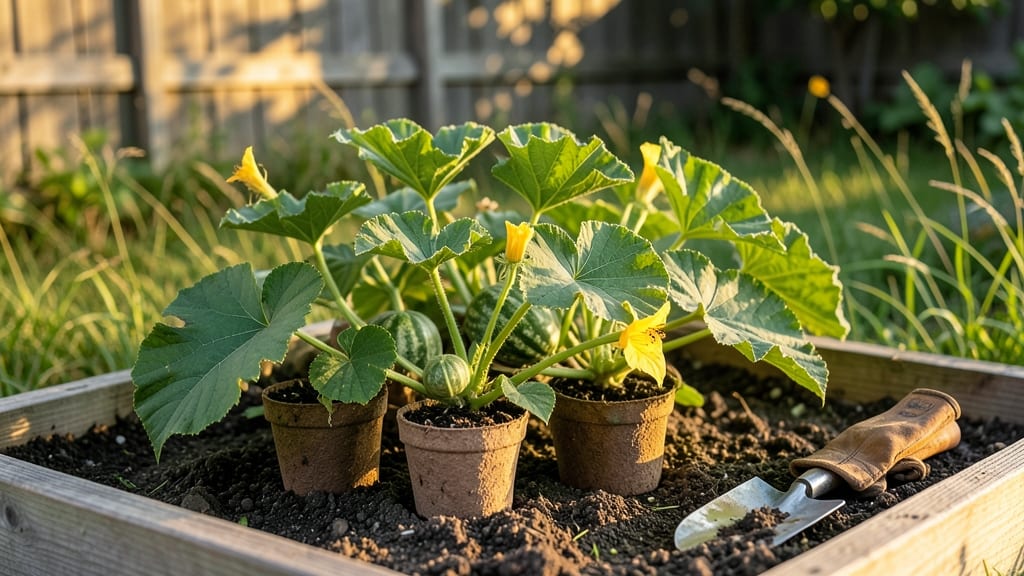
Plant pumpkins in Indiana between mid-April and early June, when soil temperatures hit 60°F and the last frost has passed—this 90-day window is the difference between a bountiful harvest and wasted effort.
Indiana’s short growing season demands precision—plant pumpkins too early, and frost will ruin them; too late, and your harvest arrives after the first freeze. Timing is everything for maximizing your pumpkin yield, but when exactly should you start seeds or transplant seedlings in the Hoosier State?
Most Indiana gardeners rely on the last frost date (April 15), but soil warmth matters more. Cold soil slows germination, so wait until the ground reaches 60°F—usually late April in Northern Indiana or early April in Southern zones.
This ensures strong, healthy vines ready to spread their 10-30-foot reach.
Below, I’ll break down the exact weeks before last frost for your region, soil prep tips to speed up growth, and how to adjust for Indiana’s humid summers or early fall freezes. You’ll leave here with a clear planting schedule tailored to your microclimate.
Indiana’s ideal pumpkin planting timeline: weeks before last frost for maximum growth
Pumpkins thrive in Indiana’s USDA Zones 5b-6b, but their 90-120 day growth cycle demands precise timing. Plant too early, and frost will kill tender seedlings; too late, and your harvest arrives after the first freeze.
The ideal window is 2-4 weeks before your region’s last frost date, adjusted for soil warmth and variety maturity.
Indiana’s frost-free season typically spans 165 days, but exact dates vary by region. Northern Indiana (e.g., Fort Wayne, Gary) often sees its last frost around April 15, while Southern Indiana (e.g., Louisville metro, Evansville) can plant 2 weeks earlier.
Always check your local USDA frost chart or use a frost-free date calculator for precision.
Soil temperature is just as critical as air temperature. Pumpkin seeds won’t germinate until the soil reaches 60°F (15°C). In Northern Indiana, this usually aligns with late April to early May, while Southern Indiana may hit this mark by mid-April.
Use a soil thermometer to confirm before planting.
For direct sowing, aim to plant 2-3 weeks after your last frost date, when soil is consistently warm. If transplanting seedlings, start them indoors 3-4 weeks before your target outdoor planting date. This ensures they’re 2-3 inches tall with 2-3 true leaves before transplanting.
Indiana’s microclimates can shift planting dates by 1-2 weeks. Urban areas like Indianapolis often experience "heat islands", where soil warms faster, allowing earlier planting. Conversely, low-lying or shaded areas may need to wait until mid-May to avoid frost risk.
Choose fast-maturing varieties (75-90 days) for Northern Indiana, such as ‘Jack Be Little’ or ‘Small Sugar’. Southern Indiana gardeners can opt for longer-season varieties (90-120 days) like ‘Howden’ or ‘Cinderella’, which yield larger pumpkins. Always check the seed packet for days-to-maturity.
Extend your growing season with black plastic mulch or row covers to warm soil faster and protect young plants. In Northern Indiana, these methods can push planting back 1-2 weeks later without frost risk. Remove covers once vines spread to prevent overheating.
After planting, maintain consistent moisture and mulch around plants to retain soil warmth. Pumpkins need 1-2 inches of water weekly, especially during flowering and fruiting. In Indiana’s humid climate, avoid overhead watering to prevent powdery mildew, a common pumpkin disease.
Monitor your pumpkins closely as first frost typically arrives by mid-October. Harvest before frost hits, as even a light freeze will ruin the fruit. If frost threatens early, use row covers or harvest smaller pumpkins first to maximize your yield.
5 Critical factors that determine your pumpkin planting success in Indiana
Indiana’s humidity and variable microclimates mean that even the best planting timeline can fail without proper preparation. While frost dates set the calendar, soil quality, sun exposure, and pest pressure are the real game-changers for pumpkin success.
Urban gardens in Indianapolis face different challenges than rural fields in southern Indiana, so let’s break down the factors that separate a thriving pumpkin patch from a disappointing harvest.
First, soil pH and drainage are non-negotiable. Pumpkins thrive in slightly acidic to neutral soil (6.0–7.0 pH), but Indiana’s clay-heavy soils often need amendments like compost or sand to improve drainage.
Poor drainage leads to root rot, which can wipe out your plants before they even flower. Test your soil in early spring—this gives you time to adjust before planting.
Next, microclimates play a huge role. Urban areas like Fort Wayne or Gary can be 5–10°F warmer than rural spots, delaying frost and extending your growing season. Meanwhile, northern Indiana (USDA Zone 5b) has a shorter window than southern Indiana (Zone 6b).
Use a microclimate map or observe your garden’s warmth patterns—trees, buildings, and pavement all create pockets of heat or shade that affect pumpkin growth.
- 1 Soil pH & Drainage: Aim for 6.0–7.0 pH and amend clay soil with compost/sand to prevent root rot.
- 2 Microclimate: Urban areas (e.g., Indianapolis) are warmer; rural zones (e.g., Lafayette) have shorter seasons.
- 3 Companion Planting: Pair with nasturtiums (repel pests) or bush beans (fix nitrogen).
- 4 Season Extension: Use black plastic mulch to warm soil by 5–10°F or row covers for early frost protection.
- 5 Pest Control: Monitor for squash vine borers and cucumber beetles—use neem oil or row covers early.
Companion planting is another secret weapon for Indiana gardeners. Pumpkins benefit from nasturtiums, which repel pests like squash bugs, or bush beans, which add nitrogen to the soil. Avoid planting near potatoes or melons, as they compete for nutrients and attract similar pests. In small urban gardens, interplanting pumpkins with herbs like basil can improve flavor and deter insects.
To extend your growing season, Indiana’s humid summers and early frosts demand smart tactics. Lay down black plastic mulch 2–3 weeks before planting to warm the soil by 5–10°F—this jumpstarts growth and helps seeds germinate faster.
For late-season protection, use floating row covers to shield pumpkins from unexpected September frosts. In northern Indiana, this can add 2–3 extra weeks to your harvest window.
Finally, pest pressure is a major hurdle in Indiana. Squash vine borers and cucumber beetles are relentless, but proactive steps like neem oil sprays or yellow sticky traps can reduce damage. Plant trapping crops like zucchini away from your pumpkins to lure pests away.
If you notice wilted vines or chewed leaves, act fast—pumpkins can go from healthy to devastated in days.
By addressing these five critical factors, you’ll turn Indiana’s challenges into opportunities for a bountiful pumpkin harvest. Start with soil prep, leverage your microclimate, and stay ahead of pests—your future jack-o’-lanterns will thank you! 🎃