
Plants
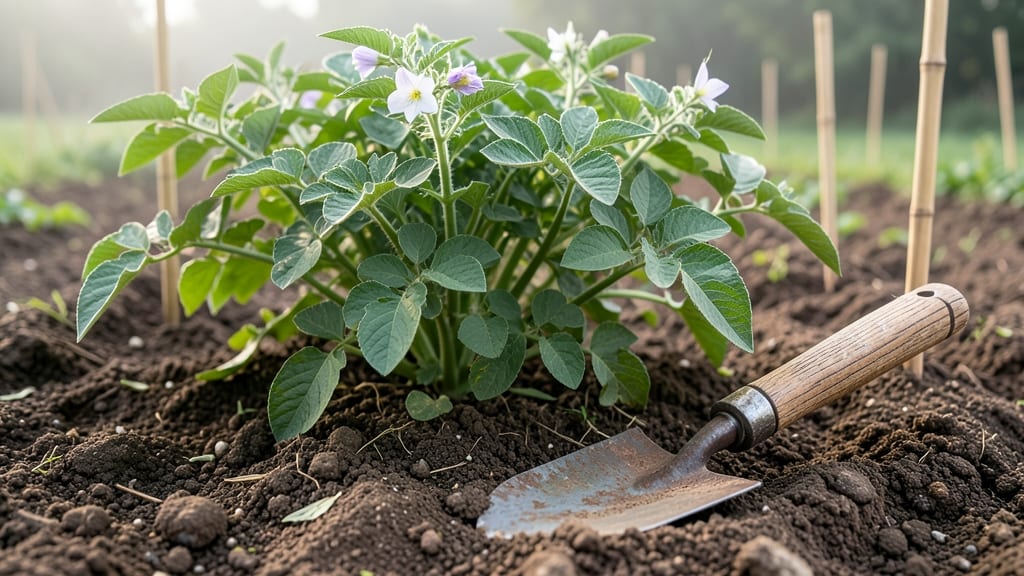
You can plant potatoes in Ohio 4 to 6 weeks before your last frost date—typically between mid-March and early April for most of the state.
Ohio gardeners know timing is everything—plant potatoes too early, and frost will ruin your crop; too late, and you’ll miss peak harvest season. The exact window depends on your microclimate, from USDA Zone 6a in northern Ohio to slightly later starts in warmer southern regions.
For maximum yield, aim for soil temperatures above 45°F—a critical threshold that signals your potatoes are ready to sprout without frost damage. This guide breaks down the best planting weeks for Ohio’s five distinct climate zones, plus how to adjust for late frosts or early heat.
Inside, you’ll discover the exact frost-free math for your region, the top 3 cold-hardy varieties for Ohio, and how to extend your growing season with simple row covers—so you can go from seed potato to harvest-ready 🥔 without the guesswork.
Ohio potato planting timeline: exact weeks before last frost by region
Ohio’s diverse climate means your potato planting schedule depends heavily on where you live. The last average frost date varies by region, and planting too early can expose tender sprouts to frost damage.
For best results, aim to plant 4-6 weeks before your area’s last frost—when soil temperatures reach 45°F (7°C) consistently. Below, I’ll break down Ohio’s 5 key microclimates and their exact planting windows.
Potatoes thrive in cool soil but need warm air to grow. In Ohio, this means waiting until late March to early April for most regions, but earlier in southern Ohio and later in northern Ohio.
Always check your local USDA Zone 6a frost data—delay planting if unpredictable cold snaps are forecasted. For example, Toledo (Northwest) might see frost until April 20, while Athens (Southeast) could plant by March 15.
| Region | Last Avg. Frost | Planting Window | Soil Temp. Threshold | Notes |
|---|---|---|---|---|
| Northwest (Toledo, Lima) | April 20 | March 25–April 5 | 45°F (7°C) | Use row covers for early planting. |
| Northeast (Cleveland, Akron) | April 10 | March 15–March 25 | 45°F (7°C) | Cold-hardy Yukon Gold works well. |
| Southeast (Athens, Columbus) | March 25 | February 25–March 15 | 40°F (4°C) | Earliest planting in Ohio. |
| Southwest (Cincinnati, Dayton) | March 30 | February 20–March 10 | 40°F (4°C) | Warm microclimates allow earlier harvests. |
| Central (Columbus, Mansfield) | April 5 | March 10–March 20 | 45°F (7°C) | Moderate risk of late frosts. |
In Northwest Ohio, where last frosts often hit April 20, I recommend waiting until late March to plant. This gives your seed potatoes time to sprout without risking frost damage.
Use black plastic mulch to warm the soil faster if needed. Meanwhile, Southeast Ohio gardeners can start as early as late February, thanks to milder winters and earlier soil warming.
For Central Ohio, where frost dates hover around April 5, aim to plant by March 15. This balances the need for warm soil with the risk of late frosts.
If you’re unsure, test soil temperature with a soil thermometer—potatoes won’t sprout well below 45°F (7°C). In my garden, I’ve found that Yukon Gold and Kennebec varieties handle Ohio’s unpredictable springs better than delicate types like Red Pontiac.
If you’re in Southeast Ohio, take advantage of the earlier frost-free window by planting early-maturing varieties like Red LaSoda (60-day harvest). These give you a second harvest opportunity in late summer. Meanwhile, Northwest Ohio gardeners should stick to longer-season varieties
How to adjust potato planting for Ohio’s unpredictable spring weather
Ohio’s spring weather can be as unpredictable as a rollercoaster ride—one day warm and sunny, the next a surprise frost. If you’ve ever planted potatoes only to watch frost nip your tender sprouts, you know the frustration.
The key to success lies in flexible planting strategies that account for Ohio’s late frosts and cold snaps. With the right adjustments, you can still enjoy a bountiful harvest of Yukon Gold or Kennebec potatoes, even when Mother Nature throws curveballs.
First, focus on soil temperature, not just air temperature. Potatoes thrive when soil reaches 45°F or warmer. In Ohio, this often means waiting until mid-to-late April, but timing varies by region.
For example, Northern Ohio may need to wait until early May, while Southern Ohio can plant as early as late March. Use a soil thermometer to check—it’s your best friend in unpredictable weather.
⚠️ WARNING: Late Frost Risks in Ohio ⚠️
To extend your growing season, try soil warming hacks like covering beds with black plastic mulch 2-3 weeks before planting. This raises soil temps by 5-10°F, jumpstarting growth. Another trick? Plant early varieties like Red LaSoda under hoop tunnels or cold frames for a head start. These methods let you plant 3-4 weeks earlier than traditional schedules, giving you a longer harvest window.
Don’t overlook moisture management—Ohio’s spring showers can turn to drought overnight. Drip irrigation or soaker hoses help maintain consistent soil moisture, which is critical for tuber formation. Avoid overhead watering, as wet foliage invites blight.
Instead, water deeply in the morning to give plants a strong start each day. Mulch with straw or grass clippings to retain moisture and regulate soil temperature.
If frost threatens after planting, act fast. Row covers (made of lightweight fabric) can raise temperatures by 5-8°F and shield plants from light frosts. For heavier frosts, use plastic sheeting or burlap sacks draped over plants.
Remove covers during the day to prevent overheating. This temporary protection buys you time until plants outgrow frost sensitivity. Remember, Yukon Gold and Kennebec are your best bets for resilience in Ohio’s fickle spring.
Finally, consider succession planting to spread out your harvest. Plant a second batch 4-6 weeks after your first planting for a continuous supply. This strategy works especially well in Ohio, where late frosts can delay the first planting.
By staggering your plantings, you’ll have potatoes ready from July through September, no matter what spring throws your way. With these adjustments, you’ll turn Ohio’s unpredictable weather into an advantage, not a setback.