
Flowers
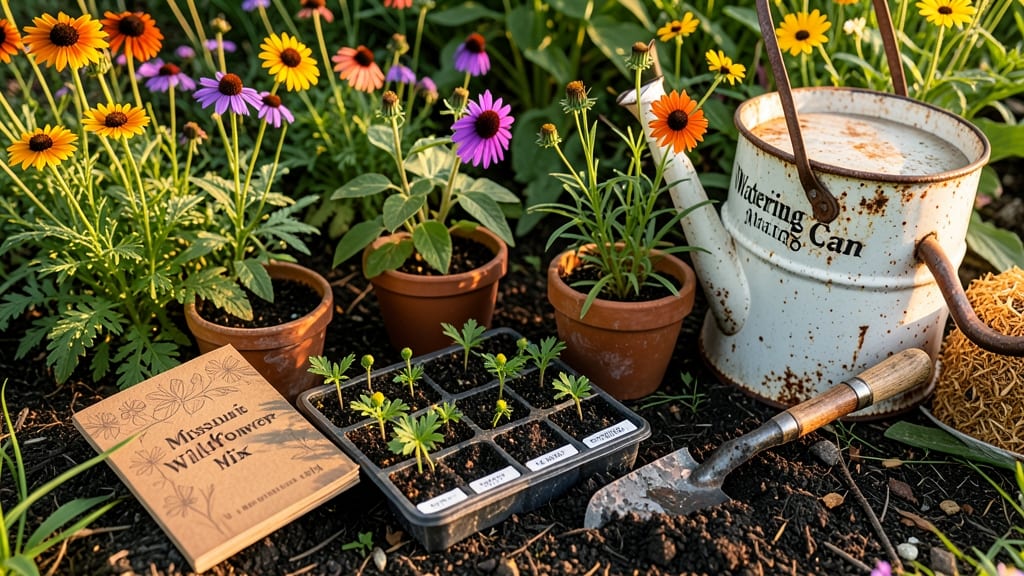
Planting wildflowers in Missouri at the right time means the difference between a meadow bursting with color and a patchy, underwhelming garden.
The key is knowing whether to start seeds in late winter or wait for fall’s cooler temperatures — and how your USDA zone (5b-6b) shifts those windows by weeks.
Missouri’s climate can be tricky: one wrong move, and your wildflowers 🌼 might bolt too early or struggle through a harsh freeze. I’ve seen firsthand how a late March planting in northern Missouri can yield a summer of blooms, while the same timing in the Bootheel risks a winter wipeout.
The secret? Timing it to the last frost date — and adjusting for your exact location.
In this guide, I’ll break down the exact months to plant wildflowers in Missouri, whether you’re sowing seeds or transplanting seedlings. You’ll learn which species thrive in spring versus fall, how to prep soil for Missouri’s clay-heavy regions, and when to water new seedlings to avoid common pitfalls.
By the end, you’ll have a clear, zone-specific schedule so your wildflowers take root strong, bloom reliably, and turn your yard into a pollinator paradise year after year.
Missouri wildflower planting schedule by USDA zone (exact months)
Missouri spans USDA zones 5a through 6b, creating distinct planting windows for wildflowers. In northern Missouri (5a-5b), cooler springs and earlier frosts demand earlier planting, while southern Missouri (6a-6b) enjoys longer growing seasons.
Timing is critical—plant too early, and seeds may rot; too late, and they won’t establish before winter. Let’s break down the exact months for each zone to maximize your wildflower meadow’s success.
Most Missouri wildflowers thrive when planted in two primary windows: early spring (after the last frost) and late summer (for fall blooms). Annual wildflowers like cosmos and zinnias prefer spring planting, while perennials such as coneflowers and black-eyed Susans benefit from both spring and fall sowing. Native species, like purple coneflower (Echinacea), are especially resilient once established, making them ideal for Missouri’s unpredictable weather.
Below is your zone-specific planting schedule, including adjustments for Missouri’s clay-heavy soils and variable rainfall. Use this as your guide to avoid common pitfalls like overwatering in spring or planting too close to winter.
| USDA Zone | Spring Planting Window | Fall Planting Window | Key Considerations |
|---|---|---|---|
| 5a (Northern MO) | Late April - Early May | Mid-September - Early October | Wait for soil temps >50°F; cover seeds if frost threatens. |
| 5b (Central-North MO) | Mid-April - Late April | Late August - Mid-September | Avoid waterlogged soil; use mulch to retain moisture. |
| 6a (Central MO) | Early April - Mid-April | Late August - Early October | Ideal for perennials; amend clay soil with compost. |
| 6b (Southern MO) | Late March - Early April | Mid-August - Late September | Longer growing season; plant heat-tolerant species like blanket flower. |
For northern Missouri (zones 5a-5b), focus on cold-hardy annuals like Lupinus (lupine) and Calendula in spring. These varieties tolerate cooler soils and shorter growing seasons.
In southern Missouri (zones 6a-6b), extend your planting into late March for species like Gaillardia (blanket flower), which thrives in heat. Perennials such as Rudbeckia (black-eyed Susan) can be sown in both spring and fall, giving you flexibility.
Missouri’s spring planting should begin when soil temperatures reach 50°F and remain stable. Use a soil thermometer to monitor—cool, wet springs (common in zone 5a) can delay germination.
For fall planting, aim to sow seeds 6-8 weeks before the first frost, typically September-October. This allows roots to establish before winter dormancy.
Adjust your schedule if unpredictable weather strikes. For example, if late spring rains persist in zone 5b, delay planting until the soil dries slightly to prevent seed rot.
Similarly, in zone 6b, a hot, dry summer may require earlier fall planting to ensure adequate moisture for root growth. Native wildflowers like Asclepias tuberosa (butterfly weed) are drought-tolerant once established, making them ideal for Missouri’s variable climate.
Pro tip: Stratify seeds for perennials like Coreopsis by mixing them with moist sand and refrigerating for 4-6 weeks before planting.
This mimics natural winter conditions and improves germination rates. Annual wildflowers, on the other hand, often don’t require stratification and can be sown directly into the garden bed after the last frost.
After planting, water deeply but infrequently to encourage deep root growth. In zone 5a, reduce watering in late summer to harden off seedlings before winter.
In zone 6b, maintain consistent moisture during peak heat (July-August) to support blooming. Mulch lightly with straw to retain soil moisture and suppress weeds, but avoid piling mulch against stems to prevent rot.
Missouri’s wildflower meadows reward patience—first-year blooms may be sparse, but perennials like coneflower will thrive for years with proper care. By following this zone-specific schedule, you’ll create a low-maintenance, pollinator-friendly garden that flourishes season after season. Happy planting! 🌼
Best wildflower types for Missouri’s seasons (and when to sow them)
Missouri’s four distinct seasons create perfect conditions for wildflowers, but the wrong timing can mean missed blooms. Annuals like Black-Eyed Susan and Cosmos thrive when planted in late spring, while perennials such as Purple Coneflower establish roots best in early fall.
The key is matching each species to its ideal planting window—whether that’s March for cold-hardy varieties or September for heat-tolerant natives.
Native wildflowers are the easiest choice for Missouri gardeners because they’re adapted to our humid summers and freezing winters. For example, Wild Bergamot and Butterfly Weed handle Missouri’s clay-heavy soil and unpredictable rainfall better than imported species.
I’ve found that planting these in late summer gives them time to root before winter, while annuals like Zinnias do best when sown in April or May.
- 🌱 Early Spring (March-April): Plant cold-hardy annuals like Lupine and Sweet Alyssum for early blooms. Ideal for USDA Zone 5b.
- ☀️ Late Spring (May): Sow heat-loving annuals such as Sunflowers and Marigolds after last frost.
- 🌿 Early Fall (September): Best time for perennials like Black-Eyed Susan and Goldenrod to establish roots.
- 🍂 Late Fall (October): Plant winter-hardy species such as Wild Indigo and Partridge Pea before first frost.
For spring planting, focus on annuals that tolerate Missouri’s heat, like Mexican Sunflower or Coreopsis. These species germinate quickly in warm soil and bloom within 6-8 weeks.
I’ve had the best luck sowing them in April after the last frost date, which typically falls around mid-March in southern Missouri and late April in the north.
Fall planting is ideal for perennial wildflowers because cooler temperatures reduce stress on young plants. Purple Coneflower and Blazing Star benefit from September sowing because they need time to develop deep roots before winter.
These perennials also attract pollinators year after year, making them a low-maintenance choice for Missouri gardens.
If you’re dealing with clay soil or heavy rainfall, opt for drought-tolerant species like Prairie Coreopsis or Wild Bergamot. These thrive in Missouri’s USDA Zones 5b-6b and require minimal watering once established. For best results, mix seeds with compost or sand to improve drainage before sowing.
Remember that native wildflowers support local ecosystems by providing food for bees, butterflies, and birds. Planting a mix of early, mid, and late-season bloomers ensures continuous color and pollinator activity from spring through fall.
Start with a small patch to test what grows best in your yard, then expand next year!