
Plants
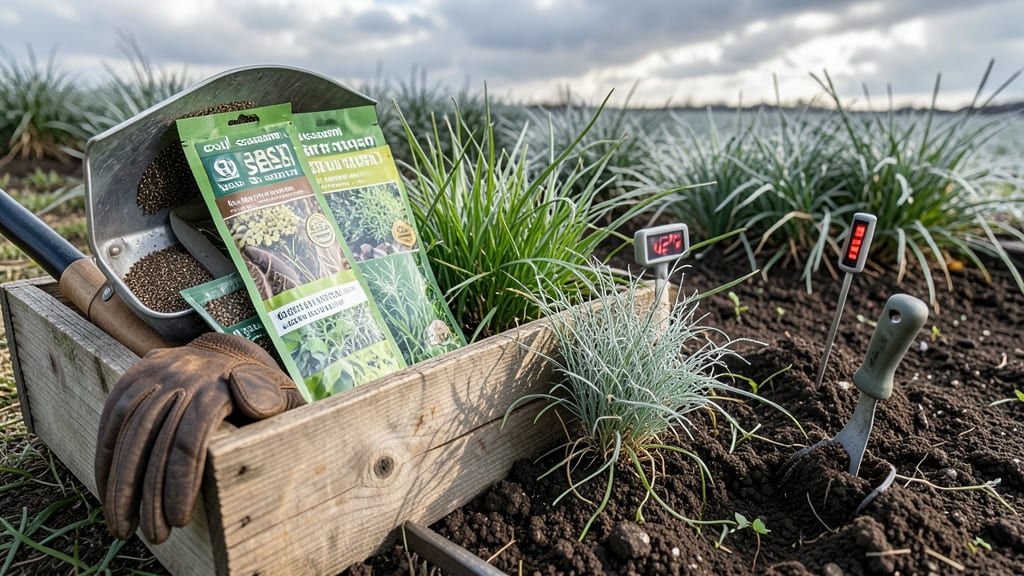
You can plant grass seed in Michigan when soil temperatures hit 50-60°F consistently—typically between mid-April and early May for spring, or early September for fall.
Michigan’s unpredictable spring and fall weather can make timing your grass seed planting tricky—but getting it right means a lush lawn all season long. Follow these science-backed guidelines to plant at the perfect time for your USDA zone.
Skipping the right window means battling weeds, drought stress, or frost damage. In USDA zones 5b-6b, the 4-6 weeks before your first frost is critical for fall plantings, while spring plantings must wait until after the last frost date—usually April 15 or later.
Below, I break down the exact months for your zone, soil prep tips, and how to avoid the three biggest mistakes Michigan gardeners make every year.
Best months to plant grass seed in Michigan by USDA zone (2024 guide)
Michigan’s 6 USDA zones (5a-6a) create unique planting windows for grass seed, where timing can mean the difference between a thick, lush lawn and patchy results. The key? Planting when soil temperatures hit 50-60°F and staying 4-6 weeks before frost—whether in spring or fall.
Spring planting in Michigan typically starts mid-April to early May, while fall offers a second chance from early September to mid-October. Northern zones (5a) have shorter windows, while southern zones (6a) enjoy 2-3 extra weeks on either end.
Let’s break it down by zone to avoid common mistakes like planting too early or too late.
🌱 Pro Tip: Use a soil thermometer to confirm temperatures—cold soil delays germination, while hot soil can bake seeds. Aim for consistent warmth before sowing.
| USDA Zone | Spring Planting Window | Fall Planting Window | Soil Temp Threshold | Key Consideration |
|---|---|---|---|---|
| Zone 5a (Northern MI) | Mid-April to late April | Early September to mid-September | 50-55°F (consistent) | Late frost risk; use frost cloth if needed |
| Zone 5b (Upper Peninsula) | Late April to early May | Mid-September to late September | 50-58°F (consistent) | Shorter growing season; prioritize early fall |
| Zone 6a (Southern MI) | Early April to mid-May | Late August to early October | 55-60°F (consistent) | Longer window; avoid planting after Oct 15 |
| Zone 5b-6a (Transition Areas) | Late April to early May | Early September to mid-October | 52-58°F (consistent) | Check local frost dates—adjust 1-2 weeks |
In Zone 5a (think Traverse City or Marquette), your window is tight—plant mid-April to late April in spring or early September in fall. The Upper Peninsula’s cooler climate demands warmer soil before sowing, so wait until the ground stays above 50°F for 3+ days.
Use a soil thermometer to avoid guessing.
For Zone 6a (Detroit, Grand Rapids, or Kalamazoo), you’ve got flexibility. Start as early as early April if the ground isn’t frozen, but be ready to cover seeds with frost cloth if nights dip below 32°F.
Fall planting here can stretch to early October, giving seeds time to establish before winter.
Microclimates matter! If you’re in a sheltered valley or urban heat island, soil warms 1-2 weeks earlier than rural areas. Observe nearby gardens: when dandelions bloom, it’s often safe to plant in spring.
In fall, aim to finish 4-6 weeks before average first frost (check Almanac frost date maps for your county).
🌿 Regional Adjustments: Northern Michigan’s sandy soils dry out faster—water more frequently in spring. Southern Michigan’s clay soils stay moist longer, reducing early-watering needs. Test your soil’s moisture retention by squeezing a handful; it should hold together but not be soggy.
Avoid these timing traps: Planting in late May or June stresses seeds with summer heat, while November plantings leave grass vulnerable to winter kill. In spring, wait until daytime highs consistently reach 60°F—this signals safe germination. For fall, September is ideal because cooler temps reduce weed competition.
💧 Post-Planting Care: Keep soil evenly moist (not soggy) for the first 3-4 weeks—this is critical for root establishment. In Michigan’s variable rainfall, supplement with 1 inch of water weekly if natural precipitation drops below that. Use a rain gauge to track totals accurately.
For shade-tolerant grass mixes (like fine fescue), extend your window 2 weeks earlier in spring or 2 weeks later in fall—these varieties handle cooler soil better. But cool-season grasses (Kentucky bluegrass, tall fescue) thrive when planted at the earliest possible window for maximum root growth before winter.
How to prepare your Michigan lawn for grass seed planting (step-by-step)
Michigan’s cool, wet springs and variable fall weather demand extra prep work before planting grass seed. Skipping these steps often leads to poor germination or weed competition. I’ve seen too many lawns fail because homeowners rushed the preparation—don’t let that be you!
The key is soil health, moisture control, and timing your tasks perfectly.
Start by testing your soil pH—Michigan’s clay-heavy soils often test acidic (below 6.0). Grass thrives in a neutral pH (6.0-7.0). If your soil is off, lime or sulfur amendments are essential.
I recommend using a soil test kit from your local MSU Extension office for accurate results. This isn’t just guesswork; proper pH ensures your seed has the best chance to establish roots quickly.
Next, tackle weed and debris removal. Use a broadleaf herbicide like 2,4-D (safe for grass seed after 3 days) to eliminate existing weeds. For stubborn grassy weeds, spot-treat with glyphosate 2 weeks before planting.
After herbicide application, rake the area thoroughly to remove dead plant matter. A clean slate means less competition for your new grass seedlings.
📋 Step-by-Step Lawn Prep for Grass Seed
-
1
Test Soil pH
Use a kit to check pH. Aim for 6.0-7.0. Amend with lime (for acidic soil) or sulfur (for alkaline soil) 4-6 weeks before planting. -
2
Kill Weeds & Debris
Apply herbicide (2,4-D or glyphosate) 2 weeks before planting. Rake thoroughly to remove all dead material. Target 100% weed-free soil. -
3
Aerate Compacted Soil
Rent a core aerator to pull 3-4" deep plugs. Focus on high-traffic areas. This improves water and root penetration—critical in Michigan’s clay soils. -
4
Level the Soil
Fill low spots with topsoil and screen out clumps. Use a lawn rake to smooth uneven areas. A level surface ensures even seed distribution. -
5
Add Compost & Fertilizer
Spread 1/4" of compost for organic matter, then apply starter fertilizer (high phosphorus). This jumpstarts root development in Michigan’s cool climate.
Don’t overlook soil aeration—especially if your lawn has heavy foot traffic. Michigan’s clay soils compact easily, restricting root growth. Rent a core aerator from your local hardware store and work it over the entire area.
You’ll see plugs of soil removed; leave these on the lawn—they’ll break down naturally. This step alone can double your germination rates by improving oxygen flow to roots.
After aerating, level the soil surface. Fill any low spots with topsoil and screen out large clumps. Use a lawn rake to create a smooth, even bed. Uneven surfaces lead to patchy germination and water pooling, which can drown seeds.
Pro tip: Walk your lawn after raking to spot any remaining dips or bumps—fix them before planting.
Finally, add a thin layer of compost (about 1/4 inch) to improve soil structure and moisture retention. Top it with a starter fertilizer (look for high phosphorus like 5-10-10) to fuel early root growth.
In Michigan’s cool climate, this extra boost helps seedlings outcompete weeds faster. Water lightly after fertilizing to activate the nutrients.
With these steps complete, your lawn is ready for grass seed—just wait for the right soil temperature (50-60°F) and consistent moisture. Michigan’s weather is unpredictable, so keep a watering schedule ready to maintain damp (not soggy) soil until germination.
Your patience now will pay off with a thick, green lawn all season long. 🌱