
Plants
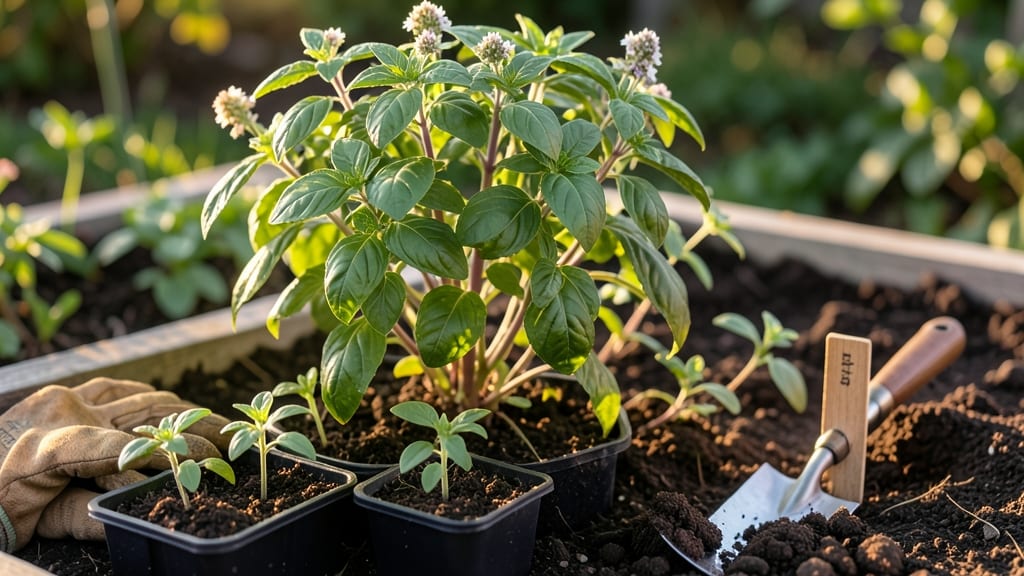
Planting basil in Missouri after the last frost—around mid-April to mid-May—sets you up for a thriving herb garden 🌿, but timing is everything in our unpredictable climate.
Missouri’s spring weather can turn on a dime, leaving your basil seedlings vulnerable if you plant too early. Get the dates right, and you’ll enjoy fresh leaves for pesto, salads, and sauces all summer.
But miss the window, and you might end up with bitter, bolted plants before you even harvest.
Whether you’re in St. Louis’s USDA Zone 6b or the cooler hills of Zone 5b, soil temperature and frost risk dictate when to start seeds indoors or transplant outdoors.
Urban heat islands and rural microclimates can shift those dates by weeks, so knowing your exact zone and last frost date is key.
Below, I’ll break down the exact planting windows for your zone, how to prep soil for Missouri’s limestone-heavy dirt, and pro tips for extending your harvest through fall—so you never run out of basil again.
Best planting dates for basil in Missouri by USDA Zone (5-7)
Missouri’s USDA zones 5-7 create a tricky balance for growing basil. The Show-Me State’s late spring frosts and hot summers demand precise timing to avoid frost damage or premature bolting.
In my experience, the difference between a thriving basil patch and a failed experiment often comes down to knowing these exact planting windows.
For Zone 5b (northern MO), aim to plant after your average last frost date—typically April 20-30. Zones 6a-6b (central/southern MO) can start slightly earlier, around April 10-20. But don’t rush—soil temperatures must reach at least 50°F (10°C) for seeds to germinate properly.
Here’s the critical detail: Missouri’s frost-free window is only about 165 days. That means you’ve got roughly 5 months of growing season for basil. Miss the mark, and you’ll either lose plants to frost or watch them bolt before you can harvest.
The good news? With the right timing, you can enjoy fresh basil from June through October.
| Zone | Direct Sow | Transplant | Soil Temp | Backup Date |
|---|---|---|---|---|
| 5b (North) | May 1-15 | April 20-30 | 50°F+ | May 20 (late frost) |
| 6a (Central) | April 20-May 5 | April 10-20 | 50°F+ | May 10 (late frost) |
| 6b/7 (South) | April 10-25 | March 25-April 10 | 50°F+ | April 25 (late frost) |
🌱 Note: Transplanting gives basil a 2-3 week head start over direct sowing
Direct sowing vs. transplanting makes a big difference in Missouri’s climate. If you start seeds indoors 4-6 weeks before your zone’s last frost date, you’ll have stronger seedlings ready for transplanting. This is especially helpful in Zone 5b, where late frosts are more common.
For example, I’ve had success transplanting Genovese basil in early April in Zone 6a, giving me harvests by early June.
One mistake I’ve seen gardeners make is planting too early, even with transplants. Basil hates cold soil—temperatures below 50°F (10°C) will stunt growth or even kill young plants.
Use a soil thermometer to check before planting. If your soil is still chilly, wait another week or two. Patience here pays off with healthier, more productive plants.
For those late frosts that Missouri loves to throw at us, have a backup plan. If frost is forecasted after your planting date, consider using row covers or moving potted basil to a sheltered spot.
I’ve used black plastic mulch to warm soil faster in cooler zones, which helps basil establish quicker. This trick has saved my plants during unpredictable April weather more times than I can count.
Don’t forget about succession planting—this is key for extending your harvest. In Zone 7, I’ll make a second planting around June 15 to replace early plants that bolt.
This ensures I have fresh basil through September. For containers, you can even stagger plantings every 2-3 weeks for a continuous supply.
Missouri’s summer heat is another factor to consider. Once temperatures exceed 90°F (32°C), basil may start to bolt prematurely. To combat this, provide afternoon shade with shade cloth or plant basil near taller plants that offer natural shade.
I’ve also had success growing basil in containers on patios, where I can move them to cooler spots during heatwaves.
Finally, keep an eye on your local frost dates—they can vary by 1-2 weeks even within the same zone. Check resources like the Missouri Botanical Garden or your county extension office for hyper-local advice.
With these exact dates and a little flexibility, you’ll be harvesting fresh basil all summer—not just dreaming about it.
How to extend your basil harvest season in Missouri’s short growing window
Missouri’s short growing season and early fall frosts can cut your basil harvest short—but with smart strategies, you can enjoy fresh leaves from June through October. The key is balancing succession planting, protective structures, and companion crops to maximize your yield despite Missouri’s USDA Zones 5-7 climate challenges.
Basil thrives in warm weather, but Missouri’s unpredictable springs and sudden first frost dates (often by mid-October) demand proactive planning. By combining container gardening for late starts, cold-frame protection, and strategic companion planting, you can stretch your harvest window by 4-6 weeks—or even longer in sheltered microclimates.
Sow seeds every 2 weeks from May 15 to July 1 for staggered harvests. Use biodegradable pots to transplant seedlings without disturbing roots.
Plant in black pots (absorbs heat) or 5-gallon buckets to extend root zone warmth. Move containers to partial shade during 90°F+ days to prevent bolting.
Cover plants with hoop houses or clear plastic tunnels after September 1. Remove covers on warm days to prevent overheating.
Pair basil with bush beans or lettuce to share space and extend the growing season. Beans fix nitrogen, while lettuce shades roots from late-summer heat.
Pinch off flower buds and harvest outer leaves regularly. This encourages bushier growth and keeps plants productive until first frost.
For container gardening, choose dwarf varieties like 'Spicy Globe' or 'Mini Purple'—they thrive in 5-gallon pots and tolerate Missouri’s heat better than standard types. Place containers near south-facing walls to absorb daytime warmth while protecting roots from nighttime chills.
If you’re in Zone 5b (northern Missouri), prioritize cold-frame protection after Labor Day. A simple clear plastic dome over a wire frame can add 5-10°F of warmth, delaying frost damage by 2-3 weeks. Just remember to vent the structure during daytime heat to prevent fungal issues.
Companion planting with basil-friendly herbs like oregano or thyme also helps. These plants repel pests (like aphids) that target basil, while their low-growing habit reduces competition for sunlight. In raised beds, interplant basil with radishes—they mature quickly and leave room for basil to thrive.
With these techniques, you’ll turn Missouri’s short growing window into a basil bonanza, harvesting fresh leaves well into October—or even longer with proper protection. Start experimenting this season, and you’ll never run out of basil for pesto or caprese salads again! 🌿