
Plants
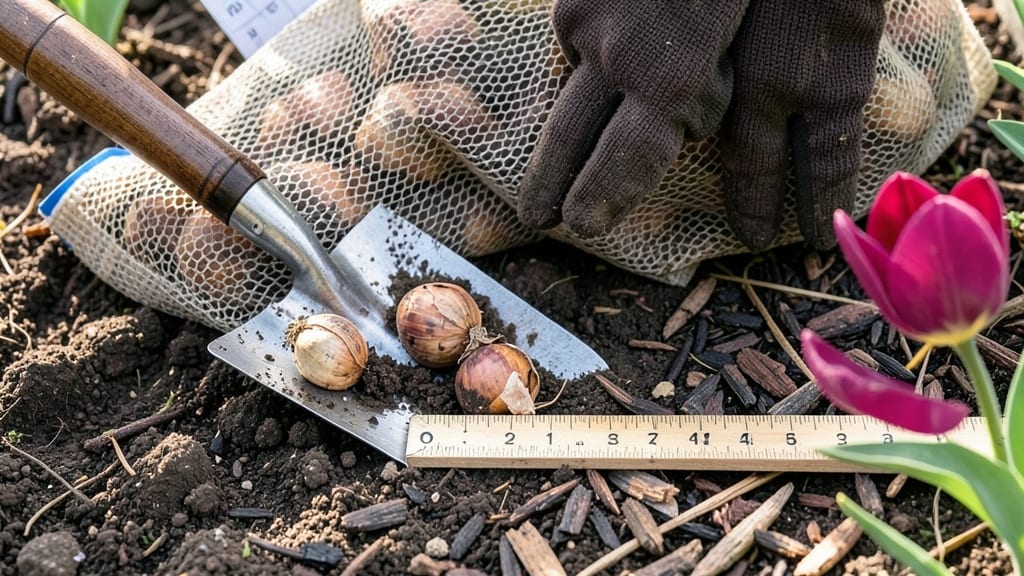
Planting tulips in Massachusetts between October and November ensures vibrant spring blooms 🌷 by letting bulbs establish roots before winter’s chill.
Massachusetts gardeners know timing is everything—and planting tulips too early or late can mean the difference between a stunning spring display and missed blooms. With USDA Zone 6a’s unpredictable frosts, knowing exactly when to plant tulip bulbs is critical for vibrant spring flowers.
Too soon, and bulbs may sprout before the ground freezes, only to die back in cold snaps. Too late, and they won’t root deeply enough to survive winter. The 4-6 week window before the first frost—typically mid-October—gives bulbs the perfect head start.
Here’s how to nail the timing, from soil prep to mulching, so your tulips burst into color next April without a hitch.
Best planting months for tulips in Massachusetts (zone 5B guide)
Massachusetts gardeners know timing is everything when planting tulips. In USDA Zone 5B, the ideal planting window is narrow—typically between October and November—to ensure bulbs establish roots before winter. Planting too early risks rot, while late planting may leave bulbs vulnerable to early frosts or insufficient root growth.
Let’s break down the perfect timing for your tulips to bloom beautifully next spring.
Your soil temperature is the key factor. Tulip bulbs need 40-50°F soil to start rooting. In Massachusetts, this usually occurs in late September to early October, but coastal areas may run slightly later due to milder microclimates.
Inland regions like Worcester or Springfield often see cooler soils earlier, so adjust accordingly. Always check soil temps with a soil thermometer—it’s the best way to avoid guesswork.
Missed the ideal window? You can still plant tulips in early December, but bulbs may not root as deeply before winter. For late bloomers like ‘Darwin Hybrid’ tulips, this is less risky, but early bloomers like ‘Parrot’ varieties need that 4-6 week head start before the ground freezes. The goal is to have 6-8 inches of roots established before winter sets in.
| Planting Window | Soil Temp Threshold | Frost Risk | Best For |
|---|---|---|---|
| Late September - Early October | 50-60°F | Low (coastal MA) | Early bloomers (e.g., ‘Fosteriana’) |
| Mid-October | 40-50°F | Moderate (inland MA) | Standard varieties (e.g., ‘Darwin Hybrid’) |
| Late October - Early November | 35-45°F | High (northern MA) | Late bloomers (e.g., ‘Fringed’ tulips) |
| Early December (last chance) | 30-40°F | Very High | Hardy varieties only (e.g., ‘Kaufmanniana’) |
For coastal Massachusetts (e.g., Cape Cod, Boston), aim for mid-October to early November. The Atlantic Ocean’s moderating effect delays frost, giving bulbs extra time to root. In contrast, western MA (e.g., Berkshires, Pioneer Valley) should plant by late October to avoid early November frosts.
Use your local frost date average (typically October 15 for most of the state) as your cutoff.
If you’re unsure about your exact frost date, plant 2-3 weeks earlier than the average. This buffer accounts for unpredictable cold snaps, which can sneak in earlier than expected.
For example, if your average first frost is October 20, plant by October 5 to be safe. Pro tip: Check the National Weather Service’s historical frost data for your specific town—it’s free and saves guesswork!
Another critical factor is bulb variety. Early bloomers like ‘Fosteriana’ tulips need that earlier planting window (late September), while late bloomers like ‘Darwin Hybrid’ can wait until mid-October.
Mixing varieties? Plant the earliest bloomers first, then follow with mid- and late-season types. This staggered approach ensures a longer bloom season in spring.
Don’t forget to adjust for microclimates. A south-facing slope warms up faster and may allow for later planting, while a shady or low-lying area could mean planting 2 weeks earlier. Observe your garden’s sun exposure patterns—this small detail can make a big difference in bulb success.
For example, my north-facing garden bed always needs bulbs planted by October 1, while my sunny patio can handle late October plantings.
Once you’ve nailed the planting timing, focus on soil preparation. Tulips thrive in well-draining, slightly acidic soil (pH 6.0-7.0). Amend heavy clay soil with compost or sand to improve drainage, and avoid planting in waterlogged areas.
After planting, add a 2-3 inch layer of mulch (like straw or shredded leaves) to insulate bulbs and protect them from temperature fluctuations during winter.
Finally, resist the urge to fertilize in fall. Tulip bulbs need to focus on root growth, not foliage. Wait until early spring (when shoots emerge) to apply a balanced fertilizer (like 5-10-10).
Over-fertilizing in fall can lead to soft, rot-prone roots, which is the last thing you want before winter. Patience is key—your tulips will reward you with vibrant blooms next spring if you follow these timing tips!
How to time your tulip planting for maximum blooms next spring
Massachusetts gardeners know that fall planting is the golden window for tulips, but getting the timing just right ensures vibrant blooms next spring. The key lies in planting when soil temperatures drop below 60°F—typically between mid-October and November—but before the ground freezes.
Inland areas like Worcester freeze earlier than coastal spots like Boston, so adjust your schedule accordingly.
Start by testing your soil’s readiness. Stick a thermometer 6 inches deep—when readings consistently hit 50-55°F, it’s time to plant. This usually lands in late October for inland MA and early November for coastal regions. Don’t rush; bulbs need time to establish roots before winter sets in.
⚠️ WARNING: Common Mistake Alert! Planting too early (before soil cools) can trigger premature sprouting, while waiting too late risks frozen bulbs that won’t bloom. Coastal MA gardeners often have a 2-3 week later window than inland areas due to milder winters.
Check your local frost dates—aim to plant 4-6 weeks before ground freeze for best results.
Prepare your soil by amending with compost or aged manure to improve drainage, which is critical for tulips. These bulbs rot in soggy soil, so avoid low-lying areas.
If your garden stays damp, consider raised beds or mounding soil. Well-draining soil paired with full sun exposure (6+ hours daily) sets the stage for next year’s showstopper blooms.
Choose cold-hardy varieties like Darwin Hybrid tulips or Fosteriana for Massachusetts’ climate—they handle our winters better than delicate Parrot tulips. Plant bulbs 6-8 inches deep and 4-6 inches apart in clusters for a dramatic spring display.
Water thoroughly after planting to settle the soil and encourage root growth before dormancy.
Mulch with 2-3 inches of straw or shredded leaves after planting to insulate bulbs from temperature swings. This protective layer helps regulate soil temps and prevents heaving (bulbs pushing up through frozen ground). Remove mulch in early spring once shoots emerge to let sunlight warm the soil and trigger blooming.
Pro tip: Mark your planting spots with stakes or flags so you remember where bulbs are planted—tulip foliage can look like weeds in early spring! Let leaves die back naturally after blooming to feed the bulb for next year’s flowers.
With the right timing and care, your tulip garden will reward you with weeks of color come April or May.