
Plants
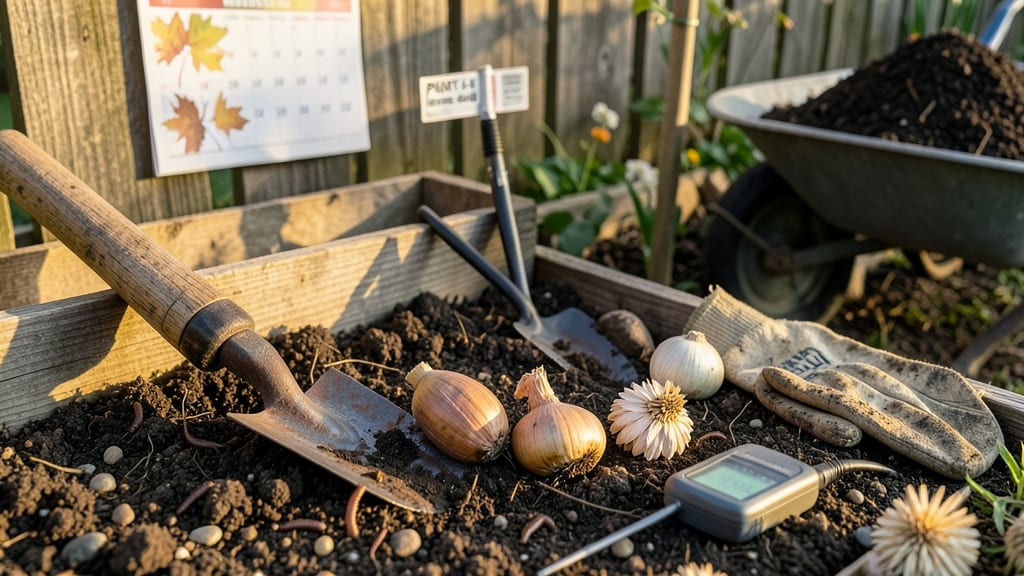
To plant bulbs in South Carolina successfully, aim for September through November—just as the soil cools but before the first frost hits.
South Carolina’s warm winters and unpredictable frost dates can leave gardeners confused about the best time to plant bulbs—but timing these plants right ensures vibrant spring blooms and thrives in your yard. Whether you’re growing daffodils, tulips, or hardy lilies, understanding chill-hour requirements and frost-free windows is key to success.
In Zone 8a, where temperatures stay milder longer, bulbs like crocuses and daffodils can handle shorter chill periods, while tulips and hyacinths need more time in cooler soil. Planting too early risks rot, and too late means missed blooms next spring.
Below, I’ll break down the ideal months for each type, soil prep tips, and how to protect your bulbs from SC’s late frosts—so you can enjoy a colorful spring garden without the guesswork.
South Carolina’s ideal planting months for bulbs based on chill-hour Needs
South Carolina’s mild winters mean chill-hour requirements are critical for bulb success. Low-chill bulbs like daffodils and crocuses thrive here, while medium-chill tulips and hyacinths need careful timing. High-chill varieties like snowdrops may struggle unless planted early.
The key is matching USDA Zones 7b/8a with your region—coastal areas (Zone 8a) have later frost dates than Upstate (Zone 7b).
For coastal SC (Zone 8a), aim to plant spring-blooming bulbs between late September and mid-November.
Inland Piedmont/Upstate (Zone 7b), plant 4-6 weeks earlier (early September to October) to ensure bulbs establish roots before first frost. Soil temperatures should be below 60°F but not frozen—use a soil thermometer if unsure.
Chill-hour needs determine bulb success: low-chill (0-1,000 hours) bulbs like rain lilies and crocuses adapt easily, while medium-chill (1,000-2,000 hours) tulips need precise timing. High-chill (2,000+ hours) varieties like fritillaries may require protective mulch or elevated beds in warmer zones.
| Bulb Type | Chill-Hour Needs | Best Planting Month (SC) | Notes for SC |
|---|---|---|---|
| Low-Chill (0-1,000 hrs) | Daffodils, Crocuses, Rain Lilies | October-November (coastal) / September-October (Upstate) | Thrives in Zone 8a; plant shallow (2x bulb height). |
| Medium-Chill (1,000-2,000 hrs) | Tulips, Hyacinths, Alliums | September-October (all regions) | Needs 4-6 weeks to root; mulch after planting. |
| High-Chill (2,000+ hrs) | Snowdrops, Fritillaries, Some Lilies | Early September (Upstate only) | Risky in Zone 8a; use elevated beds or mulch. |
Spring-blooming bulbs (like tulips) should be planted 6-8 weeks before ground freezes. For coastal SC, this means mid-October is ideal, while Upstate gardeners can plant as early as late September. Summer-blooming bulbs (e.g., dahlia tubers) go in March-April once soil warms to 60°F.
Adjust timing for microclimates: Lowcountry gardens near Charleston may wait until November, while Greenville’s higher elevation allows earlier planting. Test soil temperature with a soil thermometer—aim for 50-60°F at planting depth (6-8 inches).
Mulching after planting helps retain soil moisture and protect bulbs from freeze-thaw cycles. Use 2-3 inches of organic mulch (straw or shredded leaves) but avoid direct contact with bulb necks. Water deeply after planting to encourage root growth before winter.
If you miss the fall window, some low-chill bulbs (like rain lilies) can be planted in early spring (February-March). However, tulips and daffodils planted in spring may bloom poorly or not at all.
For high-chill varieties, consider container growing and overwintering indoors if your zone is too warm.
Pro tip: Label your bulbs at planting time with variety names and planting dates. This helps track bloom times and chill-hour success year after year. Photograph your garden in spring to compare blooms—you’ll spot patterns in what thrives!
Remember, South Carolina’s unpredictable frost dates mean flexibility is key. If unseasonable warmth delays frost, bulbs may sprout too early. Use frost cloth to protect tender shoots until last frost (typically mid-November in Zone 8a).
With the right timing, your spring bulb show will be the envy of the neighborhood! 🌷
How to adjust planting timing for South Carolina’s frost risks & microclimates
South Carolina’s microclimates create unique challenges for bulb planting. Coastal areas like Charleston experience milder winters, while Greenville’s Upstate region faces earlier frosts. Understanding these variations helps you avoid frost damage and ensure healthy blooms.
For example, tulips planted too late in Charleston may rot before winter, while daffodils in Greenville need early planting to establish roots before frost.
Your first step is checking soil temperatures. Use a soil thermometer to confirm when temperatures drop below 60°F (15°C)—this signals it’s time to plant.
In USDA Zone 8a, this typically happens between mid-October and November, but coastal areas may delay planting until November to avoid early cold snaps. For high-chill bulbs like snowdrops, aim to plant by October 15th in the Upstate.
⚠️ callout warning
- Coastal SC (Charleston): Wait until late November for spring-blooming bulbs—cooler ocean breezes delay frost.
- Piedmont (Columbia): Plant by October 31st—earlier frosts can damage tender roots.
- Upstate (Greenville): Plant by October 15th—frost can arrive as early as November 1st.
Mulching is your best defense against frost heaving. Apply a 3-inch layer of mulch after planting to protect bulbs from temperature swings. Organic mulches like shredded leaves or pine straw also improve soil structure over time.
For summer-blooming bulbs like dahlias, delay planting until after the last frost (typically mid-April in Charleston, late March in Greenville) to avoid cold damage.
Don’t overlook microclimate spots in your yard. South-facing slopes warm up faster, creating pockets where you can plant earlier than average. Conversely, low-lying areas or north-facing gardens may need delayed planting by 1-2 weeks.
Test these spots with a frost cloth in late fall to monitor temperature fluctuations and refine your planting schedule.
For container-grown bulbs, adjust timing based on your hardiness zone. Move containers to a garage or shed if frost is forecasted within 48 hours of planting.
In Zone 8a, this is especially critical for tender bulbs like gladiolus, which thrive in containers but need protection from below-32°F (0°C) temperatures.
Finally, keep a planting journal to track success across years. Note when you planted, local frost dates, and bloom performance. Over time, you’ll refine your schedule to match your specific microclimate. With these adjustments, your bulbs will flourish despite South Carolina’s unpredictable frost patterns! 🌱