
Plants
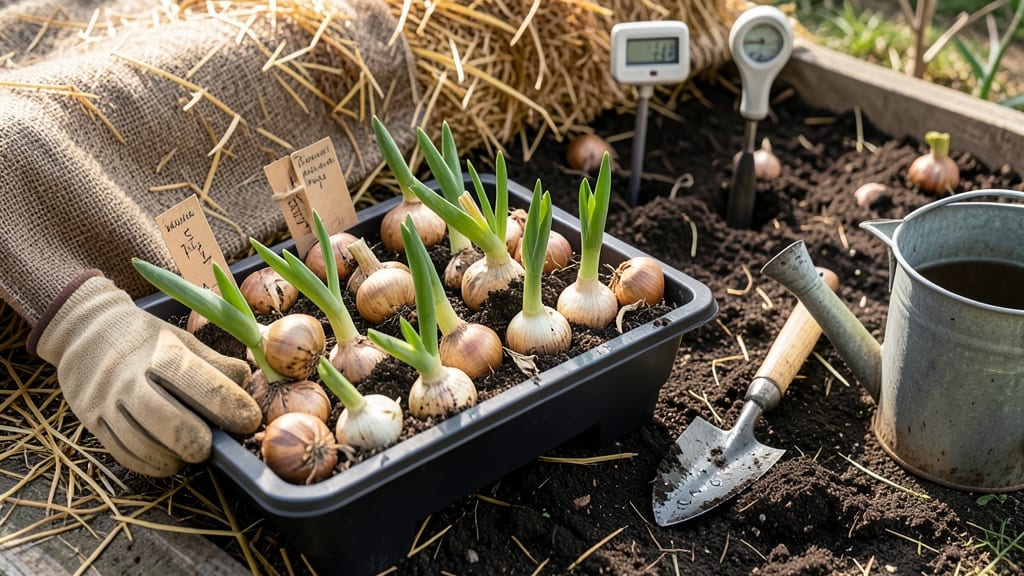
Planting bulbs in Kansas at the right time means the difference between vibrant spring blooms and a wasted investment 🌱 — and the clock starts ticking in early October.
Missed planting time last year and lost your tulips to frost? Timing is everything when planting bulbs in Kansas—get it wrong, and you’ll wait another year for those vibrant blooms. But with precise USDA Zone 6-7 guidelines, you can plant bulbs at the perfect moment for zero-frost success.
Kansas’ unpredictable weather—from early freezes to late snow—makes the 6-week window between mid-October and mid-November critical. Plant too early, and bulbs may sprout before winter; too late, and frost kills them before roots establish.
Below, I break down the exact months for each Kansas zone, soil prep secrets, and how to adjust for weather surprises—so your daffodils and tulips bloom on schedule next spring.
Best months to plant spring-flowering bulbs in Kansas (Zone 6-7)
Kansas gardeners know the difference between a thriving bulb garden and a wasted season often comes down to timing. With Zone 6-7 frost dates ranging from mid-October to mid-April, planting too early or late can leave your tulips, daffodils, and alliums vulnerable to freezing or rotting.
The ideal window? A narrow but critical 6-8 week period before the ground freezes—or a precise early spring backup when conditions allow.
Fall planting remains the gold standard for spring-flowering bulbs, but Kansas’ unpredictable weather patterns demand flexibility. In Zone 6 (northern Kansas), aim for late September to mid-November, while Zone 7 (southern Kansas) gardeners have slightly more leeway until mid-December.
For those who miss fall’s window, March to early April offers a second chance—though results may vary by bulb type.
| Bulb Type | Best Planting Window (Zone 6) | Best Planting Window (Zone 7) | Soil Temp Requirement | Key Notes |
|---|---|---|---|---|
| Tulips | Late Sept - Mid Nov | Late Sept - Mid Dec | 45-55°F (7-13°C) | Plant 6 weeks before frost; avoid spring planting for best results. |
| Daffodils | Mid Oct - Early Dec | Mid Oct - Late Dec | 50-60°F (10-16°C) | Hardy for spring planting if soil is workable; deer-resistant. |
| Hyacinths | Late Oct - Mid Nov | Late Oct - Early Dec | 50-55°F (10-13°C) | Needs well-draining soil; avoid waterlogged areas. |
| Alliums | Late Sept - Early Nov | Late Sept - Mid Dec | 40-50°F (4-10°C) | Tolerates spring planting better than tulips; drought-resistant. |
| Spring Backup Window | Early March - Mid April | Early March - Early April | 50°F+ (10°C+) | Best for daffodils/alliums; tulips may bolt if planted too late. |
For Zone 6 gardeners, the clock starts ticking in late September when soil temperatures drop below 60°F (15°C). Tulips and hyacinths are the most time-sensitive—plant them too late, and they may not flower until next year.
I’ve found that mid-October is my sweet spot for most bulbs, giving them time to root before Kansas’ first hard frost (typically around October 15 in northern areas).
In Zone 7, you’ve got a little more breathing room. Southern Kansas gardeners can often push planting into mid-December, especially if you’re using mulch to insulate bulbs. However, avoid planting after the ground freezes—frozen soil can damage bulb roots, even if the tops survive.
Pro tip: Use a soil thermometer to confirm temps are below 40°F (4°C) before calling it quits for the season.
If you missed the fall window entirely, don’t panic—early spring planting can still work, especially for daffodils and alliums. Aim to plant as soon as the soil is workable (around 50°F/10°C), typically early March in Zone 7 or mid-March in Zone 6.
Tulips planted in spring often bolt (send up a flower stalk) without blooming, but they’ll still grow and flower next year if given proper care.
One critical factor Kansas gardeners often overlook is soil moisture
How to adjust planting time for Kansas’ unpredictable weather
Kansas’ weather can throw off even the most experienced gardeners—one year you’re planting in October, and the next, November snow hits before you finish. The key to success is flexibility. If your fall planting window shrinks due to early frost or late snow, don’t panic.
Spring planting is a viable backup, though it requires extra care to compensate for lost dormancy time.
For Zone 6 (northern Kansas), aim to plant bulbs by October 15 to avoid winter heaving. In Zone 7 (southern Kansas), you’ve got until November 1, but watch for unpredictable temperature drops.
If frost sneaks in early, prioritize hardier bulbs like daffodils and alliums, which tolerate cooler soils better than tulips or hyacinths.
Planting bulbs after November 15 in Zone 6 or December 1 in Zone 7 risks poor root development. If you miss the window, hold bulbs in a cool, dark place (like a garage) until early spring. Never plant frozen bulbs—they’ll rot.
To adjust for unpredictable weather, start by testing your soil’s drainage and temperature. Use a soil thermometer to confirm the ground is below 60°F—the ideal trigger for bulb dormancy. Amend heavy clay with compost or sand to prevent waterlogging, which can suffocate roots before winter.
In Zone 6, where winters are harsher, add a 2-inch layer of straw mulch after planting to insulate bulbs from freeze-thaw cycles.
If spring planting becomes necessary, act quickly once the soil is workable (usually March 15 in Zone 6 or March 1 in Zone 7). Choose smaller bulbs like grape hyacinths or crocuses, which establish faster than larger varieties.
Water deeply after planting and keep the soil consistently moist until shoots emerge—this mimics the natural dormancy period lost during late planting.
For drought-prone years, group bulbs with succulent perennials (like lavender or sedum) to reduce water competition. In Zone 7, where late springs are common, delay spring planting until after the last frost (typically April 15) to avoid frost damage to tender shoots.
Use a row cover for extra protection if frost threatens.
Pro tip: Mark your planting dates on a calendar and adjust by 1-2 weeks each year based on Kansas’ 10-year frost averages. For example, if your area saw an early frost in 2022, shift your Zone 6 planting to October 1 instead of October 15.
With these adjustments, you’ll turn Kansas’ weather quirks into blooming opportunities instead of missed deadlines. 🌱