
Plants
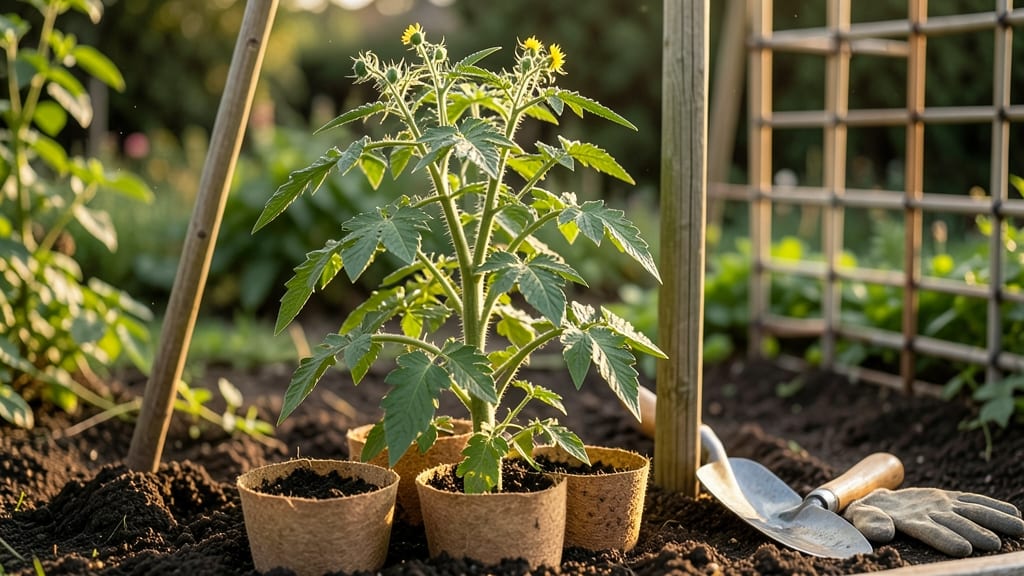
Planting fall tomatoes in North Texas means timing your transplant just right—between September and early October—to avoid frost and maximize your harvest before November.
North Texas gardeners know the window for fall tomato planting is tight—get it wrong, and frost ruins your harvest. But timing it just right means juicy, vine-ripened 🍅 tomatoes well into October. Here’s the exact schedule you need to follow.
With USDA Zone 8a frost typically arriving around November 15, you’ll need to plant 6-8 weeks before to ensure your tomatoes mature before the cold sets in. This means starting seedlings indoors in early August or buying sturdy transplants ready to go by late August.
In this guide, I’ll walk you through the precise weeks before frost to plant, the best varieties for North Texas’ fall heat, and how to care for your plants so you’re harvesting until the first freeze. Let’s get those tomatoes growing!
North Texas fall tomato planting calendar: weeks before frost for peak harvest
Fall tomatoes in North Texas are all about precision timing. With the first frost typically hitting around November 15, you’ve got just 8-10 weeks to grow tomatoes from transplant to harvest.
The key is starting 6-8 weeks before frost, but your exact timeline depends on whether you’re direct sowing or transplanting seedlings. Let’s break it down by USDA Zones 8a and 8b.
For Zone 8a (e.g., Dallas, Fort Worth), aim to transplant heirloom varieties by mid-September and hybrids by late August. In Zone 8b (e.g., Waco, Temple), you can push transplants slightly later—early October for heirlooms and mid-September for hybrids.
The difference? Heat tolerance—hybrids like ‘Celebrity’ handle late-summer heat better than heirlooms like ‘Cherokee Purple’.
Here’s the non-negotiable rule: Your tomatoes need 75-90 days to mature. If you’re planting cherry tomatoes (faster maturing), you’ve got a 10-day buffer. For beefsteak varieties, you’re cutting it closer—no room for delays.
Use this comparison table to map your exact planting window based on your method and variety.
If you’re direct sowing seeds, start in early September for cherry tomatoes—they’re your safest bet. Seeds need 60-65 days to mature, giving you a 15-day cushion before frost.
But beefsteak varieties? Skip them—90+ days to maturity leaves zero room for error in North Texas’ short fall window.
Pro tip: Transplanting seedlings gives you a 2-week head start. Buy 6-inch-tall plants from nurseries in late August and harden them off for 5-7 days before planting.
Hardening off means gradually exposing them to North Texas sun and wind—start with 2 hours/day and ramp up to full sun. Skip this step, and your seedlings will bolt or wilt in the heat.
For Zone 8a gardeners, late August is your last chance to plant hybrid varieties. If you miss it, switch to cherry tomatoes or Roma types, which mature faster.
In Zone 8b, you’ve got until early October for heirlooms—but only if you’re using row covers to delay frost. A lightweight frost blanket can push your harvest 1-2 weeks later.
Watch for soil temperature—tomatoes need 60°F+ soil to thrive. Test it with a soil thermometer before planting. If it’s below 55°F, wait 3-
5 Critical factors that determine your fall tomato success in North Texas
Timing isn't the only factor—your fall tomato success in North Texas depends on five key variables beyond just planting dates. First, soil temperature must stay above 60°F for roots to establish properly. Cold soil slows growth, leaving plants vulnerable to early frost damage before harvest.
Even if you plant at the "right" time, heat-tolerant varieties like 'Celebrity' or 'Solar Fire' outperform heat-sensitive heirlooms in late-summer heat.
Next, watering consistency becomes critical post-planting. Fall tomatoes need deep, infrequent watering (1-2 gallons per plant every 3-5 days) to prevent blossom-end rot, a common pitfall when calcium uptake drops during fluctuating temperatures. I’ve seen entire harvests ruined by inconsistent moisture—don’t let that happen to you!
Here’s what you absolutely must prioritize for a bountiful fall harvest:
- 1 Soil Temperature: 60°F+ minimum for root growth. Use a soil thermometer to confirm—cold soil = stunted plants.
- 2 Variety Selection: Choose heat-tolerant types like 'Celebrity' (70 days) or cold-hardy 'Mountain Merit' (65 days). Avoid sensitive heirlooms in late summer.
- 3 Watering Schedule: Deep water every 3-5 days at soil level (not leaves). Morning watering prevents fungal diseases like early blight.
- 4 Season Extension: Use row covers or cold frames to add 2-3 weeks to your harvest. Remove covers during daytime for pollination.
- 5 Troubleshooting: Blossom-end rot? Add crushed eggshells to soil and water deeply. Yellow leaves? Check for overwatering or nutrient deficiency.
Don’t overlook season extension—this is where many North Texas gardeners miss out. A simple row cover (like Agribon) can push your harvest into early November by trapping heat and shielding plants from light frosts (28°F).
I’ve extended my season by 3 weeks using this trick, and the flavor difference is night and day!
Finally, watch for common pitfalls like blossom-end rot (black bottoms on fruit) or powdery mildew (white fuzzy spots). Both thrive in fluctuating temperatures and poor calcium uptake.
Prevent rot by maintaining consistent moisture and side-dressing with compost tea every 2 weeks. For mildew, apply neem oil preventatively at the first sign of stress.
When you nail these five factors, you’re not just planting tomatoes—you’re engineering a fall harvest. The payoff? Vine-ripened tomatoes in October that taste like summer never ended. 🍅