
Planting
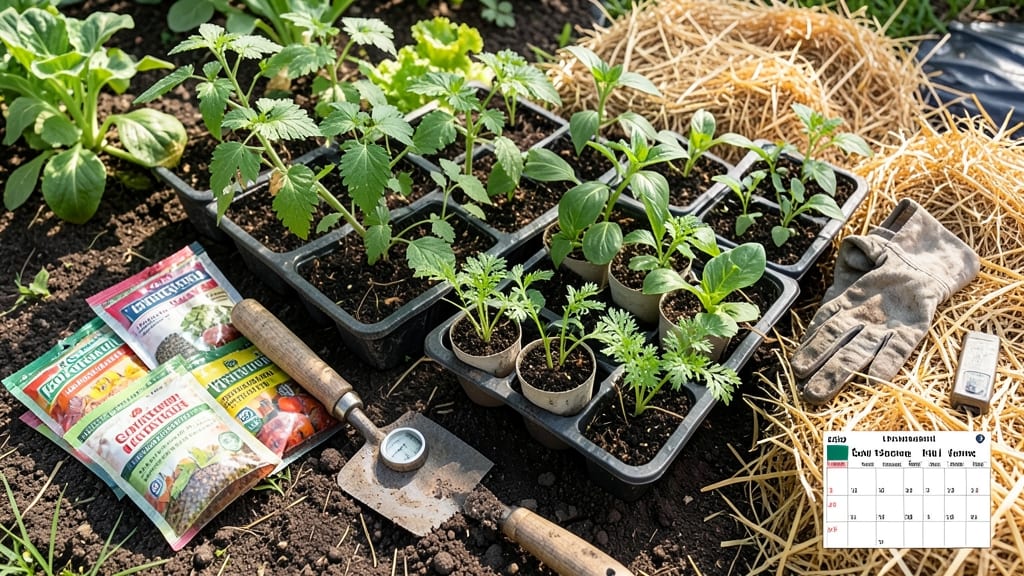
Planting a vegetable garden in Pennsylvania at the right time means the difference between a bountiful harvest and a sad, wilted mess—especially when late frosts or early heat can throw off your whole season.
Pennsylvania’s diverse climate—from snowy winters in the north to humid summers in the south—means planting your vegetable garden at the wrong time can spell disaster for your harvest. But timing it right transforms your garden from a gamble into a thriving, productive oasis.
Whether you’re in Zone 4 or Zone 7, knowing the exact months to start seeds, transplant seedlings, and succession-plant for continuous yields is the key to avoiding common pitfalls like bolted greens or stunted tomatoes.
Below, I break down the precise planting windows for every major vegetable, adjust for Pennsylvania’s unpredictable weather, and share pro tips to stretch your growing season—so you can enjoy fresh-picked produce from spring to fall.
Pennsylvania planting calendar by hardiness Zone (exact months for each vegetable)
Pennsylvania spans USDA hardiness zones 4 through 7, creating distinct planting windows across the state. In Zone 4 (northwest), last frost dates hover around May 15, while Zone 7 (southeast) enjoys frost-free conditions by April 1.
This variation means your tomatoes in Philadelphia may go in by April 15, while gardeners in Erie wait until May 1.
Understanding these frost dates is critical—cool-season crops like spinach and peas thrive when planted 4-6 weeks before last frost, while warm-season favorites (like basil and peppers) need soil temperatures above 60°F and won’t tolerate frost.
Below, I’ve broken down the exact planting months for 15 essential vegetables across zones, including both direct sowing and transplant timelines.
Use this Pennsylvania-specific calendar to align your planting with your zone’s climate quirks—whether it’s late spring frosts in the Poconos or early summer heat in the Piedmont.
For example, lettuce can be sown as early as March in Zone 7 but waits until April in Zone 5 to avoid frost damage.