
Plants
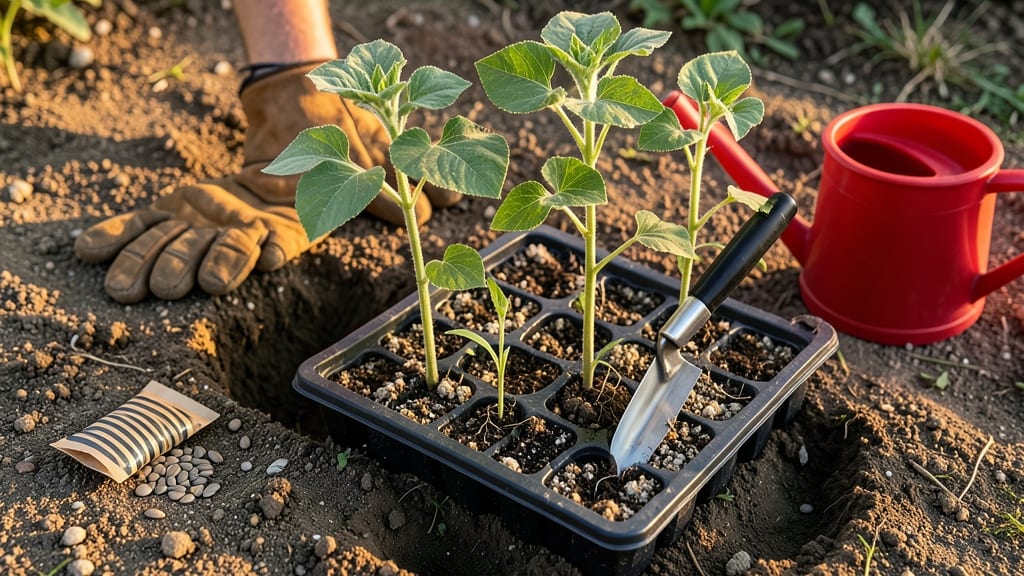
Planting sunflower seeds in NC at the right time means the difference between towering 🌻 blooms and wasted effort.
In North Carolina’s unpredictable climate—where a late spring frost can strike Raleigh one week and Asheville the next—getting the timing wrong means either shivering seedlings or sunflowers that never mature.
The key is planting after your last frost date, which varies wildly across Zones 7B and 8A, or opting for a fall crop when summer heat has passed.
Most gardeners in NC focus on a spring window of late April to early June, but fall plantings in August-September can yield stunning late-season blooms. The trick? Knowing your exact last-frost date and adjusting for soil warmth, which can lag behind air temperatures by weeks.
Below, I’ll break down the precise planting windows for your region, plus pro tips to protect your sunflowers from NC’s most common growing mistakes—whether you’re in the Piedmont, Mountains, or Coastal Plain.
North Carolina sunflower planting dates by zone (7B vs 8A)
North Carolina’s USDA Zones 7B and 8A create distinct planting windows for sunflowers (🌻), where last-frost dates shift by weeks between the mountains and coast.
In Zone 7B (Raleigh, Charlotte), average last-frost dates fall around April 15, while Zone 8A (Wilmington, Asheville) typically sees frost-free conditions by March 20. These differences mean your planting strategy should adapt based on microclimate—whether you’re in the Piedmont or Coastal Plain.
Sunflowers thrive with warm soil temperatures above 55°F, making them ideal for direct sowing after frost risk. For starter plants, transplant when soil reaches 60°F—usually 2-3 weeks after last frost.
Fall planting is also possible in Zone 8A, with seeds sown 8-10 weeks before first frost (typically by August 15) to ensure mature blooms before winter.
Soil temperature is your best guide: Use a soil thermometer to confirm readiness. In Zone 7B, wait until mid-April for direct sowing, while Zone 8A gardeners can start as early as late March. Early planting in Zone 7B risks late-spring frosts, which can stunt young seedlings.
| Factor | Zone 7B (Raleigh, Charlotte) | Zone 8A (Wilmington, Asheville) |
|---|---|---|
| Average Last Frost Date | April 15 | March 20 |
| Ideal Direct Sowing Window | April 20 - May 15 | March 30 - April 15 |
| Transplant Ready (Starter Plants) | May 1 - May 10 | April 10 - April 25 |
| Soil Temperature Threshold | 55°F+ (minimum) | 55°F+ (minimum) |
| Fall Planting Window | Not recommended (frost risk) | August 15 - September 1 |
| Fast-Maturing Variety Example | 'Moulin Rouge' (55 days) | 'Autumn Beauty' (60 days) |
| Deer/Bird Risk Level | High (rural areas) | Moderate (coastal areas) |
For direct-sown sunflowers, aim to plant 2-3 weeks after your region’s last frost. In Zone 7B, this typically means April 20–May 15, while Zone 8A gardeners can start as early as March 30.
If you’re using starter plants, transplant when seedlings have 4-6 true leaves and soil is consistently 60°F+. In Zone 7B, this window opens around May 1–10, while Zone 8A can transplant by April 10–25.
Zone 8A offers a unique advantage: fall planting for late-season blooms. Sow seeds 8–10 weeks before first frost (usually by August 15), choosing fast-maturing varieties like 'Autumn Beauty' (60 days). This strategy extends your sunflower season into October or November, adding color when many other plants fade.
Watch for late-spring frosts, which can damage young sunflowers. In Zone 7B, protect seedlings with row covers if nighttime temperatures dip below 40°F after planting.
Monitor soil moisture—sunflowers need 1–2 gallons of water per plant every 2–3 days during dry spells, especially in Zone 8A’s hotter coastal climates.
Pro tip: Use staggered planting to ensure continuous blooms. Sow a second batch 2–3 weeks after your initial planting to enjoy sunflowers from summer through fall.
In Zone 7B, this might mean a second planting around May 15, while Zone 8A can extend this to June 1 for late-season color.
Remember, sunflowers are annuals in NC, meaning they complete their life cycle in one season. But with the right timing, you can enjoy their bold blooms and edible seeds from July through November, depending on your planting strategy and zone.
Start early, stay consistent with watering, and soon you’ll have a sunflower sea brightening your garden! 🌻
How to extend your sunflower season in NC’s unpredictable climate
North Carolina’s unpredictable spring frosts and early autumn chills can cut your sunflower season short—but with the right strategies, you can enjoy blooms from June through October. The key is combining fast-maturing varieties, protective row covers, and staggered planting to outsmart Mother Nature’s timing quirks.
I’ve learned the hard way that a single late frost can turn your sunflower dreams into wilting disappointment. But by following these proven tactics, my garden now bursts with color for months instead of weeks. Let’s dive into the three essential techniques that work in NC’s Zones 7B-8A.
🌱 5 Proven Ways to Extend Your Sunflower Season
- Plant fast varieties like 'Moulin Rouge' (55 days) or 'Autumn Beauty' (60 days) to beat early frosts.
- Use row covers (like Reemay) for 2-3 weeks after transplanting to protect young plants from late spring frosts.
- Stagger plantings every 2 weeks from late April to early June for continuous blooms.
- Try fall plantings in late July-August for autumn color before first frost (typically mid-November).
- Choose dwarf varieties like 'Teddy Bear' (3 ft tall) for container gardening and easier frost protection.
My favorite trick? Combine row covers with staggered plantings. I plant my first batch in late April under protective covers, then add successive batches every 2 weeks. By mid-June, the earliest plants are blooming while the latest batches are just sprouting—giving me nonstop color.
For fall blooms, I always plant a second round in late July using 'Autumn Beauty'. These sunflowers mature just in time for October-November color before the first frost hits. Just remember: soil must stay above 60°F for germination.
Pro tip: Mark your calendar for your local average first frost date (check NC State Climate Office for your area). Then count backward from that date using your chosen variety’s days to maturity. This ensures your sunflowers bloom before frost strikes.
With these strategies, you’ll turn NC’s unpredictable climate into an advantage—turning your garden into a sunflower paradise from summer through fall. 🌻