
Companion Plants
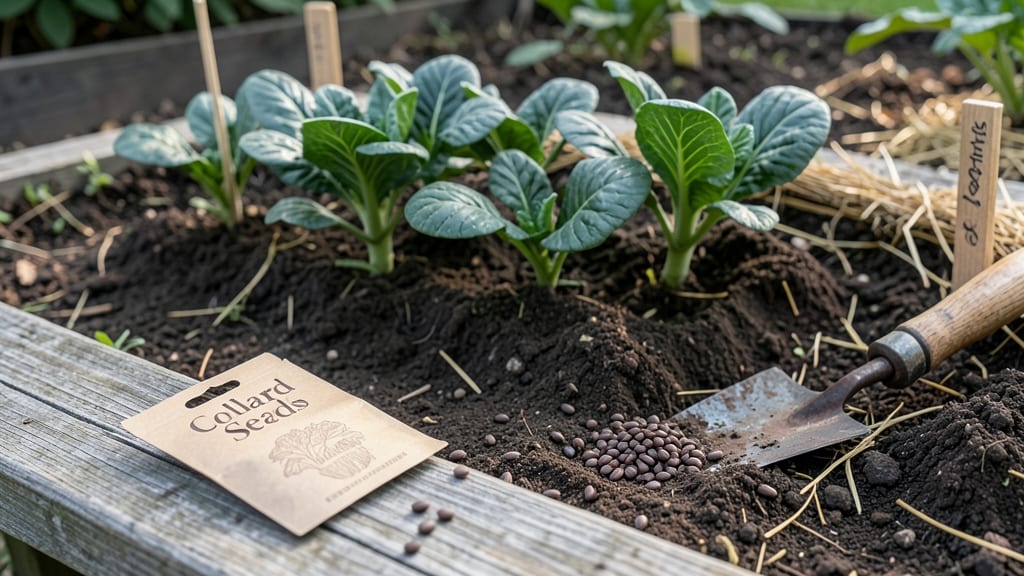
Planting collard seeds in NC at the right time means the difference between a thriving 🥬 harvest and a frost-killed disappointment.
North Carolina’s diverse microclimates—from the Piedmont’s mild winters to the Coastal Plain’s extended growing seasons—can make collard planting a guessing game if you don’t time it right.
Plant too early, and frost will kill your seedlings; too late, and you’ll miss the sweet, frost-sweetened flavor collards are famous for. The key is knowing your last frost date and soil temperature thresholds.
Below, I’ll break down the exact planting windows for USDA Zones 6b-8a, including when to start seeds indoors or sow directly for zero frost risk—plus how to extend your harvest into fall.
NC microclimate planting zones: exact dates to avoid frost damage
North Carolina’s USDA zones 7a-8b create wildly different growing conditions—from the Piedmont’s frost pockets to the Coastal Plain’s extended heat. For collards, timing isn’t just about avoiding frost; it’s about maximizing that frost-sweetened flavor that makes Southern collards legendary.
The key? Understanding your last frost dates and soil temperature thresholds.
In Zone 7a (e.g., Raleigh, Asheville), the average last frost falls around March 15, while Zone 8b (e.g., Wilmington, Fayetteville) sees frost as late as February 15. But microclimates shift these dates by 2-3 weeks.
Mountain valleys can freeze weeks after the official date, while coastal areas stay frost-free longer. Soil temperature is just as critical—collard seeds need 50°F (10°C) to germinate, but seedlings thrive at 60°F+ (15°C+).
Here’s the golden rule: Direct-sow collard seeds 2-4 weeks before your last frost for spring harvests, or 8-10 weeks before first frost for fall/winter crops. Transplants (started indoors) can go in 1-2 weeks earlier.
Misjudge by even a week, and you risk frost damage or stunted growth. Let’s break it down by region.
| Region | USDA Zone | Last Frost Date | Ideal Planting Window | Risky Planting Window | Soil Temp Threshold |
|---|---|---|---|---|---|
| Piedmont (Raleigh, Greensboro) | 7a | March 15 | Feb 20 - Mar 10 | Jan 15 - Feb 10 | 50°F+ (10°C+) |
| Mountains (Asheville, Boone) | 6b-7a | March 25 | Mar 5 - Mar 20 | Feb 1 - Feb 20 | 55°F+ (13°C+) |
| Coastal Plain (Wilmington, Fayetteville) | 8a-8b | February 15 | Jan 20 - Feb 10 | Dec 15 - Jan 10 | 50°F+ (10°C+) |
| Fall Planting (All Regions) | 7a-8b | Nov 1-15 | Aug 15 - Sep 15 | Sep 20 - Oct 10 | 60°F+ (15°C+) |
*Risky windows increase frost damage or poor germination odds by 50%+
The Piedmont’s Zone 7a gives you the widest window—plant from late February to early March for spring collards. But if you’re in the Mountains (Zone 6b-7a), wait until mid-March to avoid late frosts.
The Coastal Plain’s Zone 8b is the most forgiving, letting you start as early as late January.
For fall harvests, aim to plant 8-10 weeks before your first frost. That means mid-August to mid-September in most of NC. Plant too late (after September 20), and your collards won’t mature before frost hits.
Pro tip: Use black plastic mulch to warm soil in cooler zones, extending your planting window by 1-2 weeks.
Soil temperature is your secret weapon. Use a soil thermometer to confirm temps hit 50°F (1
Collard seed germination secrets: how to time planting for maximum yield
Timing your collard seed planting in North Carolina isn’t just about avoiding frost—it’s about unlocking a 5–10 day germination window that thrives in 60–85°F soil. When seeds sprout too slowly, they risk disease or outcompeted weeds.
But with the right timing, you’ll see those first cotyledons break through in just 5 days, setting your plants up for a 60-day harvest.
Most gardeners in NC focus on spring planting (March–April), but the real secret lies in succession planting every 2–3 weeks to stretch harvests into fall. This works because collards are cool-season crops that actually sweeten with frost, making late-summer plantings (August–September) just as productive.
The key? Planting when soil temps hit 60°F—warmer than you’d think for these hardy greens.
⚠️ Common Germination Mistakes & Fixes
- 1. Overwatering seeds → Causes rot. Fix: Keep soil moist but not soggy—water lightly daily until sprouts appear.
- 2. Planting too deep → Seeds need light to germinate. Fix: Sow ¼ inch deep, no deeper.
- 3. Cold soil temps → Delays germination. Fix: Use black plastic mulch to warm soil 10°F faster.
- 4. Poor soil contact → Seeds dry out. Fix: Press seeds gently into soil—don’t just drop them.
- 5. Skipping succession plantings → Missed harvests. Fix: Plant every 2 weeks for continuous greens.
To maximize yields, I start my first batch of collard seeds indoors 4–6 weeks before last frost (late February in Zone 8a, early March in Zone 7a). Harden off seedlings for 7–10 days before transplanting, which I do when night temps stay above 50°F.
For direct sowing, wait until soil reaches 60°F—use a soil thermometer to avoid guesswork.
Succession planting is where the magic happens. After your first batch germinates, plant another 2–3 weeks later to ensure a steady supply. In NC’s humid Coastal Plain, this also helps avoid black rot by staggering plant maturity.
Pro tip: Mark your planting dates on a garden calendar so you don’t forget—collards grow fast, but they won’t wait forever!
Don’t let slow germination frustrate you. If your seeds take longer than 10 days to sprout, check soil moisture and warmth. A seedling heat mat ($20 at garden centers) can shave 2–3 days off germination time in cooler springs.
And remember: patience pays off. Those first tender leaves are worth the wait, especially when you’re harvesting frost-sweetened collards in November.
Once your collards are up, they’ll reward you with bold flavors and continuous harvests. But the real secret? Starting with the right timing—and fixing mistakes before they derail your garden. Now grab those seeds, warm up that soil, and get planting!