
Plants
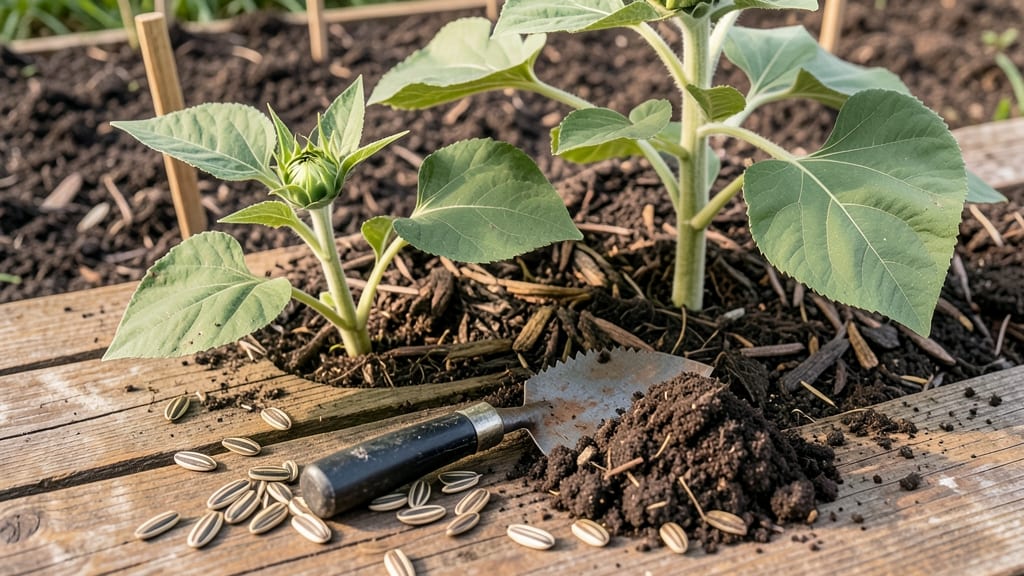
Planting sunflower seeds in Georgia at the right time ensures fast growth and those showstopping blooms 🌻—and getting it wrong can mean sad, floppy stems or no harvest at all.
Georgia’s warm climate and long growing season make it an ideal place for sunflowers—but planting them at the wrong time can mean floppy stems, fewer blooms, or even failed harvests.
Whether you’re in the 7b-8b zones of North Georgia or the hotter coastal regions, timing matters more than you might think. Too early and frost nips tender seedlings; too late and the heat arrives before the blooms even form.
Below, I break down the exact months to plant for bold blooms, how to adjust for your region, and pro tips to keep your sunflowers thriving from seed to harvest.
Best planting months for sunflowers in Georgia by region
Georgia’s diverse climate zones mean your sunflower planting schedule should change depending on whether you’re in North Georgia’s cooler hills, Central Georgia’s transitional belt, or South Georgia’s subtropical lowlands.
Timing matters—plant too early, and frost will nip tender seedlings; too late, and your blooms may struggle in summer’s heat. Let’s break it down by region for maximum height, vibrant blooms, and seed production.
Sunflowers thrive when soil temperatures reach at least 60°F (15°C), but they also need to avoid late frosts. In Georgia, this creates a 3-month window where planting works best, with adjustments for early vs. late varieties.
The key? Start seeds indoors 4-6 weeks before your last frost date or direct-sow when soil warms up—just don’t rush it. Cold soil slows germination, and soggy seeds rot.
Here’s the exact planting schedule for each Georgia region, including frost dates and soil warmth triggers to ensure your sunflowers grow strong and tall.
For North Georgia gardeners, the window is tight—wait until after April 15 to avoid frost damage. Start seeds indoors in early April for a head start, or direct-sow after the last frost.
If you’re growing tall varieties like ‘Russian Giant’, plant by May 1 to ensure they mature before summer’s heat peaks. Late varieties can be sown in early August for stunning fall blooms.
Central Georgia offers the most flexibility. You can start as early as late March (if soil is warm enough) or hold off until April for safer germination. This region’s longer growing season lets you experiment with early, mid-season, and late varieties.
For example, plant ‘Autumn Beauty’ in March for summer blooms or ‘Teddy Bear’ in July for compact fall flowers.
In South Georgia’s warmer climate, you can push the envelope further. Start seeds as early as February if you’re using a greenhouse or cold frame, but direct-sow after February 20 when soil temperatures stabilize.
The extended season also allows for two planting cycles: one in spring and another in early summer for late-season harvests. Just be mindful of humidity, which can promote fungal diseases.
Adjusting for early vs. late varieties is key. Early bloomers like ‘ProCut’ mature in 50–60 days, while late-season giants like ‘Mammoth’ take 100+ days. In North Georgia, stick to early varieties unless you’re planting late.
In South Georgia, you can grow both early and late varieties successfully by staggering plantings every 2–3 weeks for continuous blooms.
One common mistake? Planting too deep. Sunflower seeds need only 1 inch of soil coverage—any deeper, and they’ll struggle to emerge. After sprouting, thin seedlings to 12–18 inches apart for standard varieties (or 6–12 inches for dwarf types).
Overcrowding leads to weak stems and fewer blooms, so give them space to reach their full potential.
Finally, watch for soil warmth—not just air temperature. Use a soil thermometer to confirm readings of 60°F+ (15°C) before planting. In cooler regions, a black plastic mulch can warm the soil faster and speed up germination.
With the right timing, your sunflowers will reward you with towering stems, vibrant blooms, and bountiful seeds all season long.
Ready to plant? Grab your seeds, mark your calendar, and let Georgia’s sunshine work its magic—your sunflowers will thank you with faces turned to the sun and stems reaching for the sky! 🌻
How to time sunflower planting for maximum bloom size and seed production
Sunflowers thrive in Georgia’s climate, but timing is everything for bold blooms and high seed yields. Plant too early, and you risk bolting (premature flowering) from cool soils.
Plant too late, and stems weaken under summer heat. The secret? Soil temperature and moisture balance—both trigger rapid growth when timed right.
Sunflowers need soil temperatures above 55°F to sprout consistently. In Georgia, this typically means waiting until late March in North Georgia or early March in South Georgia. For seed production, aim for a 90-day growing season—plant in April for summer blooms or August for fall harvests.
- Wait for soil temps of 55°F+—use a soil thermometer to confirm.
- Plant 1 inch deep, 6 inches apart—thin to 12-18 inches for strong stems.
- Water deeply 2x/week until 6 inches tall to prevent flopping.
- Use companion plants like basil or marigolds to deter pests and boost growth.
- Avoid over-fertilizing—sunflowers thrive in moderate soil (pH 6.0-7.5).
For maximum seed production, prioritize strong stems and full sunlight. Plant in well-draining soil with 1-2 inches of compost to support root development. In Georgia’s heat, mulch with straw or grass clippings to retain moisture and regulate soil temperature.
Companion planting is a game-changer. Pair sunflowers with basil to repel pests or marigolds to deter nematodes. Avoid planting near potatoes, which compete for nutrients.
In North Georgia, opt for early varieties like 'Teddy Bear' (50 days to bloom), while South Georgia gardeners can grow tall varieties like 'Russian Giant' (120+ days).
Watch for bolting—when plants flower too early due to cold stress. If this happens, harvest seeds early or replant with heat-tolerant varieties like 'Autumn Beauty' for fall blooms. In August plantings, focus on drought-resistant varieties like 'ProCut' to handle Georgia’s late-summer heat.
With the right timing, your sunflowers will reward you with 12-foot stems and heavy seed heads. Time your planting for peak summer sun, and you’ll enjoy bold blooms from June through October—plus a bounty of seeds for next year’s garden! 🌻