Plants
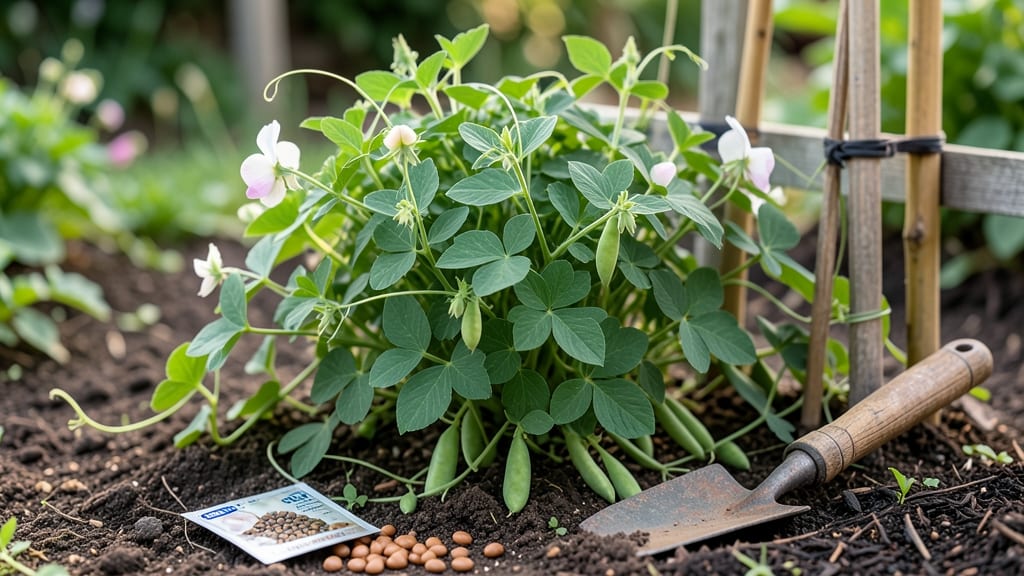
Planting peas in Zone 7b at the right time ensures a bountiful harvest—not too early when frost lingers, and not too late when summer heat arrives.
Peas thrive in cool weather, but planting them too early or late in Zone 7b can mean the difference between a bountiful harvest and a disappointing failure. Timing is everything—here’s exactly when to sow your peas for maximum yields.
In Zone 7b, your best window is 4-6 weeks before your last spring frost, typically late February to early March. For a second harvest, try late summer planting around August, giving them time to mature before the first frost.
Below, I’ll break down the exact weeks to plant, how to pick the right varieties for your climate, and pro tips to keep your peas growing strong all season.
Best weeks before last frost to plant peas in Zone 7b
Peas are one of the first cool-season crops I plant each year in Zone 7b, but timing is critical. Unlike heat-loving vegetables, peas thrive in cool temperatures (40-75°F) and can even tolerate light frosts.
Planting too early risks rot from cold, wet soil, while planting too late may lead to bolting or poor yields as temperatures rise.
Your last frost date is your starting point—typically March 15-April 15 in Zone 7b—but microclimates (like sheltered garden spots) can shift this by 1-2 weeks. For example, a south-facing bed warms faster than a north-facing one.
Use the USDA Zone 7b frost calculator or local weather records to pinpoint your exact date.
Most gardeners in Zone 7b plant peas 4-6 weeks before the last frost, but the best window depends on your variety. Early varieties like 'Green Arrow' or 'Little Marvel' can handle cooler soils (40-45°F), while late varieties like 'Wando' or 'Lincoln' need slightly warmer soil (50-55°F) to germinate reliably.
Here’s the ideal planting schedule for Zone 7b, broken down by variety type and microclimate adjustments:
For microclimate adjustments, add 1-2 weeks earlier if your garden is sheltered (e.g., near a south-facing fence) or 1-2 weeks later if it’s exposed to wind or cold air.
For example, if your last frost is April 1 but your garden is windy, aim for March 20 instead of March 25.
I always test soil temperature with a soil thermometer—peas won’t germinate well below 40°F. If your soil is too cold, wait 1 week or use a black plastic mulch to warm it faster. Overwatering cold soil can also delay germination, so keep it moist but not soggy.
Another pro tip: Succession plant every 2 weeks after your initial sowing to stretch your harvest. For example, if you plant March 15, follow up with March 30 and April 15 for continuous pods. This works especially well with mid-season varieties like 'Oregon Sugar Pod.'
If you’re unsure about your last frost date, check the Almanac’s Frost Calculator or ask local gardeners—they’ve likely tested it with their own peas! Remember, Zone 7b’s first frost typically arrives November 15-December 1, so plan your fall planting accordingly.
With the right timing, you’ll enjoy sweet peas from late spring to early summer, and possibly a second harvest in fall before the cold sets in. Happy planting! 🌱
How to extend pea harvests in Zone 7b with successive plantings
Peas love cool weather, but in Zone 7b, summer heat can cause them to bolt—meaning they’ll flower and pod too quickly, ruining your harvest. The secret to a steady supply? Successive plantings timed perfectly with soil temperatures and companion plants.
I’ve learned that spacing these plantings just 7-10 days apart keeps your garden producing for months.
Start by understanding your soil temperature thresholds. Peas germinate best when soil is between 45°F and 85°F, but they’ll bolt if soil warms above 80°F for more than a few days.
In Zone 7b, this usually means avoiding late May plantings unless you’re using shade cloth. Instead, focus on early spring and late summer for the longest harvest windows.
🌱 Numbered Highlights: Successive Planting Schedule for Zone 7b
- 1. Early Spring Planting: Sow seeds 4-6 weeks before last frost (typically late February to early March). Use cold-hardy varieties like 'Green Arrow' or 'Lincoln'.
- 2. Mid-Spring Planting: Follow up with a second planting 2-3 weeks after the first, when soil reaches 50°F+. Opt for dwarf varieties like 'Little Marvel' for easier harvesting.
- 3. Late Summer Planting: For a fall harvest, sow seeds 8-10 weeks before first frost (usually late July to early August). Use heat-tolerant varieties like 'Oregon Sugar Pod' and protect with row covers.
- 4. Soil Prep: Amend beds with compost to retain moisture and add phosphate-rich fertilizer (5-10-10) before each planting to encourage strong root growth.
- 5. Spacing Matters: Plant seeds 1-2 inches apart in rows 18-24 inches apart. Thinning to 2-3 inches between plants prevents overcrowding and improves airflow.
- 6. Companion Plants: Interplant with radishes, lettuce, or carrots to maximize space. Avoid planting near onions or garlic, which stunt pea growth.
- 7. Late-Season Protection: Use floating row covers to extend harvest into fall by shielding peas from light frosts (28°F-32°F) and pests like pea aphids.
Companion planting is a game-changer for pea success. I’ve found that pairing peas with radishes or lettuce not only saves space but also deters pests like aphids. Radishes, in particular, mature quickly and can be harvested before they compete with your peas.
Meanwhile, lettuce thrives in the same cool conditions and acts as a living mulch, keeping soil moist.
Don’t overlook the power of row covers. In Zone 7b, late summer plantings can benefit from lightweight fabric to protect against early fall frosts and extend the harvest by 2-3 weeks.
I use floating row covers (like Agribon) to shield my peas while still allowing sunlight and water to penetrate. Just remember to secure the edges tightly to prevent pests from crawling in.
Spacing your plantings correctly ensures you’re never without fresh peas. For example, if your first planting bolts by mid-May, your second planting (sown 2 weeks later) should be ready to harvest just as the first one finishes.
This rolling harvest method keeps your kitchen stocked and reduces waste. Plus, it’s a great way to test different varieties—some handle heat better than others!
One final tip: Keep a planting journal to track which varieties perform best in your microclimate. I’ve noticed that 'Sugar Snap' peas bolt faster in my Zone 7b garden than 'Snow Peas', so I prioritize the latter for late-season plantings.
With a little trial and error, you’ll fine-tune your schedule for maximum yields all season long. 🌱