
Plants
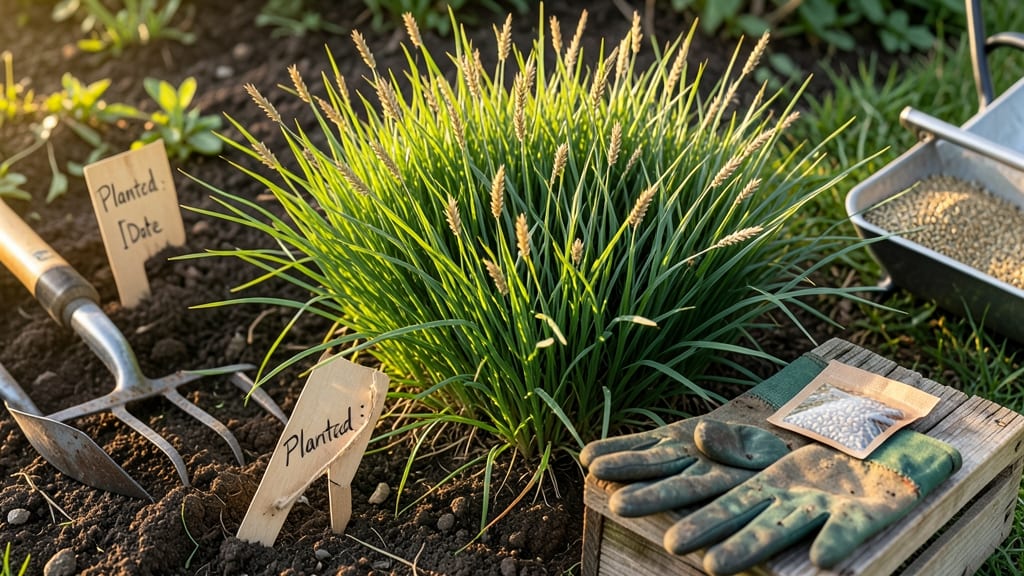
Planting rye grass in Oklahoma at the right time means the difference between a thick, green lawn and a patchy, struggling mess—especially in Zone 7a/7b where winters can be brutal.
Oklahoma’s unpredictable weather makes timing everything. Plant too early, and your seeds rot in the heat; too late, and frost zaps them before they take hold. I’ve seen both happen, and neither is pretty.
For most of Oklahoma, the ideal window is late summer to early fall—think August through October—when soil stays warm enough for germination but nights start cooling. This gives your rye grass 4-6 weeks to establish roots before winter sets in.
Below, I’ll break down the exact months to aim for, how to prep your soil, and why a little extra effort now saves you from a bare yard come spring.
Best planting windows for rye grass in Oklahoma (Zone 7a/7b)
Oklahoma’s Zone 7a/7b climate demands precise timing for rye grass success. The prime window is early fall, when soil stays warm enough for germination but nights cool down to protect young seedlings. Missing this window? Don’t panic—we’ll cover your backup options too.
For most of Oklahoma, including Oklahoma City and Tulsa, the ideal planting window stretches from mid-August through early October. This timing balances warm soil temperatures (above 40°F) with cooling air temperatures that prevent heat stress. Let’s break down your best options month-by-month.
📌 PRO TIP: Use a soil thermometer to confirm temperatures are between 40-55°F before planting. Rye grass won’t germinate well in hotter soil.
Your absolute best planting window is mid-August through September 15th. During these months, Oklahoma’s soil remains warm enough for rye grass seeds to germinate quickly (typically 7-14 days) while nighttime temperatures begin dropping, reducing heat stress on young seedlings.
For northern Oklahoma (closer to Zone 7a), aim for the earlier end of this window—August 15-September 1. Southern areas (near Zone 7b) can extend planting until September 30th without significant risk.
Always check your last frost date—Oklahoma City averages November 1st, while Tulsa may see frost by October 25th.
Planting in late September through October carries moderate risk but can work if you use a seed starter or mulch to maintain soil warmth. The biggest challenge? Early freezes can damage tender seedlings.
If you choose this window, plant 4-6 weeks before your average first frost and use row covers for protection.
Spring planting (March-April) should be your absolute last resort. Rye grass planted in spring often bolts to seed before establishing a proper lawn, and Oklahoma’s summer heat will stress seedlings.
If you must plant in spring, do so by April 1st in Oklahoma City or April 10th in Tulsa, and keep seedlings well-watered to prevent drought stress.
Remember: Rye grass is a cool-season grass that thrives in Oklahoma’s winters. Planting too late in fall means seedlings won’t establish strong roots before winter dormancy. The earlier you plant in the fall window, the better your lawn will perform through Oklahoma’s Zone 7a/7b winters.
Pro tip: If your lawn already has warm-season grass (like Bermuda or Zoysia), consider overseeding in late summer when warm-season grasses begin thinning. This gives rye grass the competitive edge it needs to establish before winter.
For best results, test your soil’s pH (6.0-7.0 ideal) and add compost before planting. Rye grass grows best in well-draining soil with moderate fertility. After planting, keep the area consistently moist (about 1 inch per week) until germination.
🌾 Ready to plant? Grab your seeds, soil thermometer, and let’s get growing!
How Oklahoma’s weather affects rye grass germination timing
Oklahoma’s unpredictable weather can turn rye grass planting into a gamble if you don’t account for soil temperature shifts and frost risks. Unlike cooler climates, Oklahoma’s Zone 7a/7b sees sudden cold snaps in October or unseasonably warm spells in November—both can derail germination if you’re not prepared.
The key is planting when soil temps hit that 40–55°F sweet spot, where seeds sprout but don’t freeze before roots establish.
Rye grass thrives in Oklahoma’s fall and winter because it’s cold-hardy, but timing matters. Plant too early, and summer heat stresses seedlings. Plant too late, and early frosts smother them. My rule of thumb?
Aim for 4–6 weeks before the first frost—typically mid-September to early October in most of Oklahoma. But watch for weather forecasts like a hawk, because that window can shift 1–2 weeks depending on the year.
⚠️ WARNING: Oklahoma’s Weather Pitfalls ⚠️
Oklahoma’s northern regions (Zone 7a) can drop below 32°F by late October. If you plant after October 15, seeds may not germinate before frost kills them. Use a soil thermometer—wait until temps stay above 40°F for 5+ days.
⚠️ Unseasonably Warm FallsYears like 2016 or 2020, Oklahoma saw 80°F temps in November. Planting in late September might leave seeds baking in hot, dry soil. Check the National Weather Service for 10-day forecasts before seeding.
⚠️ Flash DroughtsEven in fall, Oklahoma can hit dry spells. Rye grass needs consistent moisture to germinate—1 inch of water per week is non-negotiable. If rain fails, irrigate deeply 2–3x/week until sprouts appear.
Rainfall patterns also play a role. Oklahoma’s fall rains can be hit-or-miss, but rye grass needs moisture to activate germination. If your area gets less than 1 inch of rain in 7 days, supplement with drip irrigation or a light sprinkle daily.
Pro tip: Water in the morning to prevent fungal issues from overnight dampness.
Adjust your planting date based on local microclimates. Areas like Tulsa or Oklahoma City (Zone 7b) can handle late September plantings, while northern Oklahoma (Zone 7a) may need to start by mid-September. Check USDA frost maps and local Cooperative Extension offices for hyper-local advice.
For example, Altus (Zone 7a) might need seeds in by September 1, while Lawton (Zone 7b) could wait until September 20.
Don’t overlook soil preparation—Oklahoma’s clay-heavy soils can compact and suffocate seeds. Loosen the top 2–3 inches with a garden rake or tiller, then mix in compost to improve drainage.
If your soil tests below pH 6.0, add lime 4–6 weeks before planting to create the ideal 6.0–7.0 range for rye grass.
Finally, keep an eye on weather extremes after planting. If a cold front is forecast within 10 days, cover seeds with straw mulch (2–3 inches) to insulate them.
For heatwaves, shade seedlings with row covers until temps drop. With these adjustments, your rye grass will germinate strong and outlast Oklahoma’s wildest winter swings. 🌾