
Plants
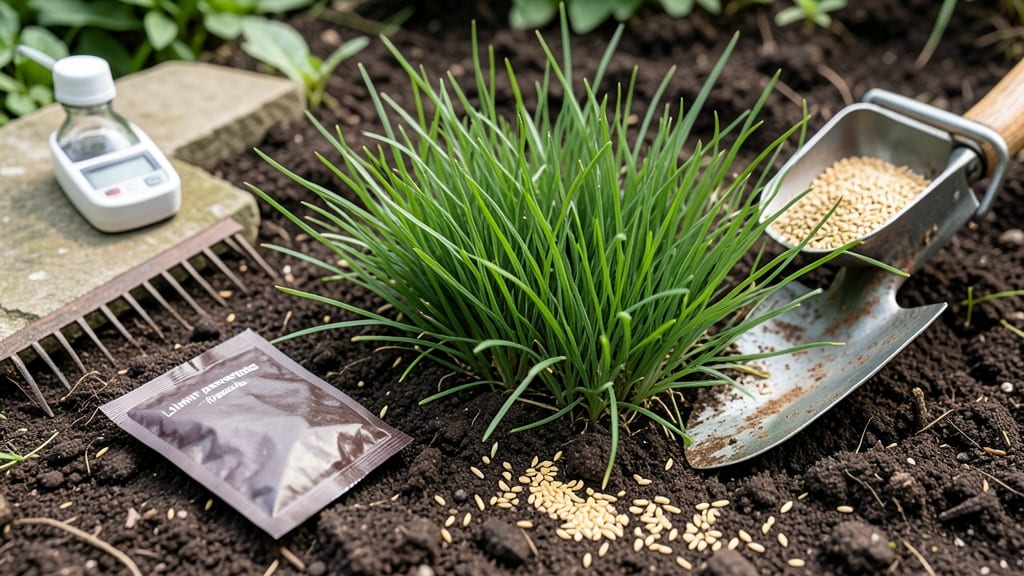
Planting ryegrass in Central Texas between late summer and early fall is the key to a lush, frost-resistant lawn by winter.
Central Texas homeowners know the struggle—summer heat scorches lawns, but ryegrass 🌾 can transform your yard into a vibrant winter oasis. Timing is everything, and planting too early or late can mean thin coverage or wasted effort.
The ideal window is just right before the first frost, giving the roots time to establish before winter dormancy sets in.
In USDA Zone 8a, that means aiming for August through October, when soil temperatures drop into the 60-75°F range. This period balances warmth for seed germination with cooling trends that signal winter’s approach.
Plant too soon, and the heat will stress the young grass; too late, and frost may kill it before it takes hold.
Below, I’ll break down the exact months to target, how to prep your soil, and the 3-step planting process that ensures your ryegrass thrives—no matter if you’re in Austin, San Antonio, or Waco. Let’s get that lawn winter-ready!
Best months to plant rye grass in Central Texas for optimal growth
Central Texas summers can be brutal for lawns, but rye grass thrives when planted at the right time. The ideal window for planting is late summer through early fall—specifically September and October.
This timing aligns perfectly with cooling temperatures and prepares your lawn for winter dormancy. Planting too early exposes seeds to intense heat, while waiting too late risks weak root establishment before frost.
Rye grass grows best when soil temperatures hover between 60°F and 75°F. In Central Texas, these conditions typically appear in late August through October. The key is to give seeds 4-6 weeks before the first frost (usually around mid-December) to develop a strong root system.
This ensures your lawn stays lush through winter and recovers quickly in spring.
| Month | Soil Temp (°F) | Planting Window | Key Considerations |
|---|---|---|---|
| August | 75-85°F | End of month | Cool evenings, prepare soil |
| September | 65-75°F | Prime time | Best germination rates |
| October | 60-70°F | Early month | Last chance before frost |
| November | Below 60°F | Avoid | Risk of poor germination |
If you miss the ideal window, don’t panic—you can still plant in late July, but expect slower germination due to heat stress. The goal is to establish roots before the first frost, so aim for 6-8 weeks of growth before temperatures drop below 40°F.
This gives rye grass time to develop a dense network that will outcompete weeds and handle winter conditions.
Central Texas’s USDA Zone 8a climate means frost is a real factor, but rye grass is uniquely adapted to handle it. When planted correctly, it will go dormant in winter and bounce back in spring, unlike summer grasses that struggle with cold.
The secret lies in the root establishment phase—seeds need consistent moisture and moderate temperatures to sprout and grow strong roots before dormancy sets in.
Another critical factor is soil preparation. Rye grass prefers well-draining soil with a pH between 6.0 and 7.5. Before planting, test your soil and amend it with compost if needed. The first 2 weeks after planting are crucial—keep the soil moist but not waterlogged.
Overwatering can lead to seed rot, while underwatering causes poor germination. Aim for 1 inch of water per week during this period.
For best results, choose a cool-season rye grass variety like Annual Ryegrass or Perennial Ryegrass, both of which thrive in Central Texas’s climate. Annual varieties provide quick coverage but need replanting yearly, while perennials offer long-term benefits but may require more maintenance.
Either way, planting in September gives you the best balance of growth time and frost protection.
One common mistake is planting rye grass in spring, thinking it will grow faster. However, spring heat in Central Texas can stress the grass, leading to thin coverage and increased weed competition.
Spring planting is only viable if you’re overseeding an existing lawn, but even then, late fall remains the gold standard for full lawn establishment.
To maximize success, monitor your lawn’s progress and adjust care as needed. If you notice yellowing patches after planting, it could signal overwatering or fungal issues. Reduce watering slightly and ensure good airflow. Conversely, if growth stalls, increase moisture and check for soil compaction, which can hinder root development.
With the right timing and care, your rye grass lawn will be the envy of the neighborhood by winter.
Remember, the earlier you plant in the ideal window, the stronger your lawn will be. Don’t wait until October if you can start in September—those extra weeks make a huge difference in root depth and winter resilience.
With Central Texas’s unpredictable weather, acting early ensures your lawn stays green and healthy when other yards are brown.
How Central Texas climate affects rye grass planting success
Central Texas's extreme temperature swings and variable rainfall create unique challenges for rye grass success. The first frost typically arrives around mid-December, while summer heat can push soil temps above 90°F. These factors force precise timing to establish strong roots before winter dormancy.
Urban areas like Austin often experience heat islands that delay cooling, while rural zones may see earlier frosts. Clay-heavy soils common in Central Texas also impact moisture retention and seed germination rates. Understanding these climate nuances helps avoid common pitfalls like thin coverage or seed washout from sudden storms.
Planting rye grass too early (before August 15) risks heat stress and dormancy before roots establish. Conversely, waiting past October 15 leaves insufficient time for winter hardiness. Central Texas's unpredictable rainfall also demands quick germination—delayed planting can lead to seed desiccation during dry spells.
Central Texas's average first frost (around January 15) sets the upper limit for planting. Rye grass needs 4-6 weeks to establish before winter, so aim to plant by mid-October. This window aligns with soil temperatures dropping to 60-75°F, ideal for germination without heat stress.
Microclimates play a critical role. Urban areas with concrete surfaces stay warmer, potentially extending the planting window by 2-3 weeks compared to rural zones. Meanwhile, clay soils (common in Central Texas) require extra preparation—amend with compost or sand to improve drainage and prevent seed rot during heavy rains.
Adjust your approach based on rainfall patterns. Central Texas's summer droughts followed by fall storms mean seeds need consistent moisture. Use starter fertilizer to kickstart growth and consider mulching to retain soil moisture during dry periods.
For heat tolerance, choose annual ryegrass varieties like 'Marshall' or 'Wrangler,' which handle Central Texas's 100°F+ summers better than perennial types. These varieties also recover faster from foot traffic once established.
Monitor local frost forecasts and adjust your planting timeline accordingly. If frost arrives early, shift to late September planting. For delayed frosts, extend to early November—just ensure seeds have 4+ weeks of growth before winter sets in.