
Plants
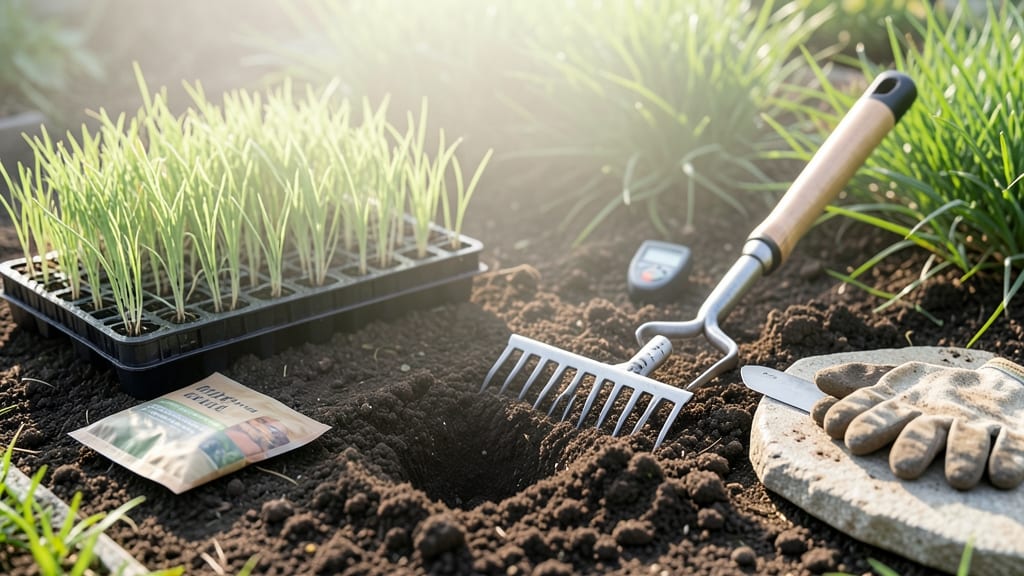
Planting cool season grass in spring 4-6 weeks before your last frost is the secret to a lawn that stays green and strong all year.
Picture this: you’ve prepped the soil, spread the seed, and watered it in—only to watch frost nip the tender sprouts or summer heat bake them before roots take hold.
Timing isn’t just about the calendar; it’s about soil temperature, your local climate, and avoiding those costly mistakes that leave bare patches staring back at you.
In USDA Zone 6, where most of us live, that window opens around mid-March, but in warmer zones, you might wait until April. Too early, and frost can stall germination; too late, and your grass struggles to establish before the heat sets in.
The key? Check your local frost dates, test soil temps, and adjust for your region’s quirks.
Below, I’ll break down the exact zone-specific timing, how to prep your lawn for success, and the telltale signs you’ve planted at the wrong time—so you can skip the guesswork and grow a lawn that’s the envy of the neighborhood.
USDA zone-specific spring planting windows for cool season grass
Planting cool-season grass in spring requires precision—your USDA zone dictates the perfect window to avoid frost damage or heat stress. Northern climates (zones 3-5) have shorter windows, while southern zones (7-10) can start earlier. The key is planting when soil temperatures hit 50-60°F and stay there for 2-3 weeks.
In USDA zones 3-5, wait until late April to early May—this ensures the ground thaws and last frost has passed. Southern zones (7-10) can start as early as February to early March, but avoid planting if nighttime temps dip below 40°F.
Always check your local last frost date for exact timing.
Soil temperature is your best indicator. Use a soil thermometer to confirm 50-60°F at 4" depth. Cool-season grasses like Kentucky bluegrass and fescue thrive when soil warms but hasn’t baked yet. Planting too early risks frost heave, while late planting weakens roots before summer.
Here’s your zone-by-zone breakdown for ideal spring planting windows, including soil temps and regional adjustments:
| USDA Zone | Ideal Planting Window | Soil Temp (°F) | Key Considerations |
|---|---|---|---|
| 3-5 (Northern) | Late April–Early May | 50–60°F | Wait for consistent 50°F+ days; risk of late frost. |
| 6 (Mid-Atlantic) | Mid-April–Early May | 55–65°F | Plant after last frost (avg. April 15); monitor soil moisture. |
| 7 (Southeast) | Early March–Mid-April | 55–65°F | Start early but avoid nighttime frost (<40°F); mulch lightly. |
| 8-10 (Southwest) | February–Early March | 60–70°F | Plant when rainfall increases; irrigate if dry spells occur. |
For USDA zones 3-5, prioritize late April planting to dodge late frosts. In these regions, Kentucky bluegrass and tall fescue need 60+ frost-free days to establish. Use a row cover if temperatures drop unexpectedly after planting.
Zones 6-7 offer flexibility—aim for mid-April when soil warms to 55°F. Here, perennial ryegrass germinates faster, so you can extend your window slightly later if needed. Always test soil moisture; dry spells can delay germination.
In zones 8-10, start as early as February, but monitor nighttime temperatures. Bermuda grass (a warm-season grass) may outcompete cool-season varieties if planted too late. For St. Augustine or zoysia lawns, consider overseeding in late fall instead.
Pro tip: Adjust for microclimates. Shady areas stay cooler longer—plant 1-2 weeks later than sunny spots. Use a soil thermometer to confirm readiness, as surface temps can mislead. Overwatering before germination can also wash away seeds, so keep soil moist but not soggy.
After planting, maintain consistent moisture for 2-3 weeks. Cool-season grass needs 1 inch of water weekly (morning watering preferred). Avoid heavy foot traffic until blades reach 3 inches tall to prevent root damage.
🌱
How to prepare your lawn for spring planting success
Once you’ve nailed down the perfect planting window for your USDA zone, the real work begins: prepping your lawn for maximum germination and root strength. Skipping this step is like planting seeds in concrete—no matter how good the seed, it won’t thrive.
Start by testing your soil pH and nutrients, because cool-season grass craves a slightly acidic to neutral environment (pH 6.0–7.0). A simple home soil test kit (or a lab test for accuracy) will tell you if you need to amend with lime (to raise pH) or sulfur (to lower it).
Next, tackle weed competition—those dandelions and clover aren’t just unsightly; they’ll steal moisture and nutrients from your new grass. Use a pre-emergent herbicide designed for lawns 2–4 weeks before planting, or opt for a natural approach like corn gluten meal, which suppresses weeds while adding organic matter.
For existing weeds, spot-treat with vinegar or a targeted herbicide at least 2 weeks before seeding to avoid damaging tender grass sprouts.
Step-by-Step Lawn Prep for Cool Season Grass
-
Step 1: Test & Amend Soil
Use a soil test kit to check pH (6.0–7.0) and nutrients. Add compost (1–2 inches) or peat moss to improve drainage and fertility.
-
Step 2: Aerate Compacted Soil
Rent a core aerator to create ¼-inch holes every 2–3 inches. Do this on a dry, warm day (60°F+) for best results.
-
Step 3: Mow Existing Grass Low
Cut current grass to ½ inch to reduce competition. Bag the clippings to avoid smothering new seeds.
-
Step 4: Spread Seed Evenly
Use a broadcast spreader for even coverage. Aim for 10–15 lbs of seed per 1,000 sq ft, depending on the variety.
-
Step 5: Lightly Rake & Water
Rake seeds ¼ inch deep into soil, then water lightly but frequently (keep top 1 inch moist for 2–3 weeks).
After seeding, watering consistency is your secret weapon. Cool-season grass needs 1 inch of water per week (including rainfall), but the key is frequent, shallow watering—think of it like a daily shower, not a weekly bath.
Use a sprinkler with a rain gauge or check soil moisture by hand: the top inch should stay damp. Avoid overhead watering in the evening to prevent fungal diseases like dollar spot, which thrives in damp, cool conditions.
For the first 4–6 weeks, resist the urge to walk on your new lawn—compaction from foot traffic can smother seeds and stunt root growth. If pets or kids can’t stay off, set up a temporary barrier (like a fence or signs).
Once the grass reaches 3–4 inches tall, you can gradually resume light traffic, but avoid heavy use until it’s fully established (about 8–12 weeks).
Finally, don’t forget to mulch your seeds with a thin layer of straw or peat moss (not wood chips, which can rob nitrogen). This keeps moisture in and protects tender sprouts from bird damage or harsh winds.
Within 10–14 days, you should see green shoots popping up—proof your prep work paid off!
With these steps, your cool-season grass will establish a deep, resilient root system before summer heat arrives, giving you a lawn that stays green and strong through fall and winter. Now, grab your tools and get planting—your future lawn will thank you! 🌱