
Plants
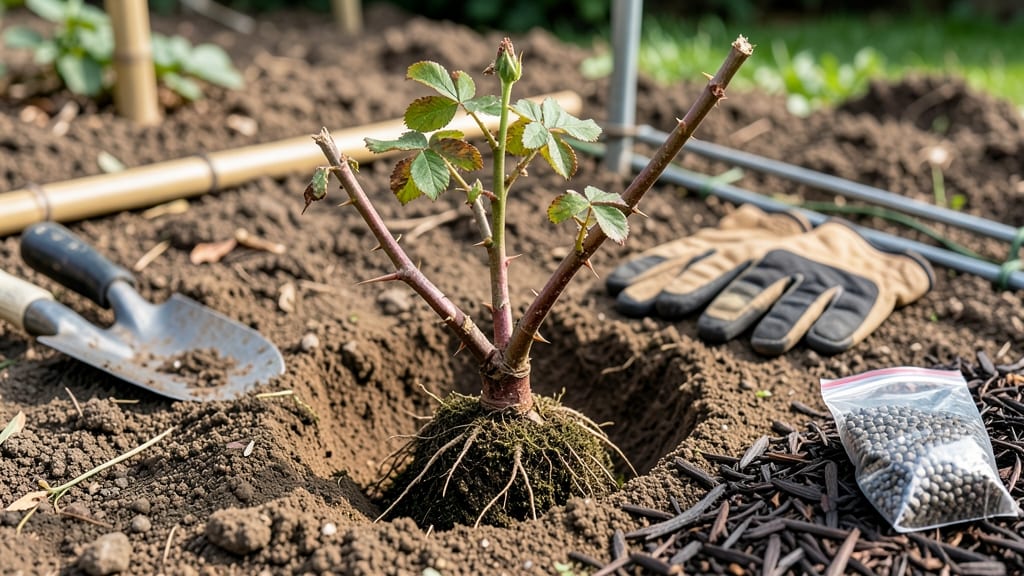
Planting roses in Indiana at the right time is the key to thriving blooms 🌹—your 6a zone gives you two perfect windows, but timing them wrong can mean frost damage or stunted growth.
Indiana’s unpredictable spring weather can make or break your rose garden—planting at the wrong time means stunted growth or frost damage, while perfect timing ensures vibrant blooms all season.
For bare-root roses, aim for early spring (March to April) when soil thaws but before buds swell, or early fall (September to October) to let roots establish before winter. Container roses are more flexible but still need soil warmth and frost-free conditions.
Below, I’ll break down the exact frost dates for your area, soil prep tips for Indiana’s clay-heavy ground, and how to tell if you’re planting too early or too late—so your roses get off to the strongest start.
Best planting windows for Indiana roses by USDA zone (5b-6a)
Indiana's USDA Zones 5b-6a create a unique challenge for rose growers—cool springs and unpredictable frosts demand precise timing. Planting bare-root roses too early risks frost damage, while waiting too long delays root establishment.
The key lies in understanding soil temperatures (ideally 40°F+) and frost-free dates, which typically range from April 15 in southern Indiana to May 1 in northern regions.
For container-grown roses, your window extends slightly later since roots aren't exposed. These adapt better to cooler soils but still need consistent warmth to thrive.
My strategy? I always check Indiana's frost-free date maps (available through Purdue Extension) and adjust planting dates based on microclimates—urban areas warm faster than rural spots.
Spring planting should occur 2-4 weeks after your last frost date, when soil temperatures stabilize above 50°F. This gives roots time to establish before summer heat arrives. Meanwhile, fall planting (my personal favorite) should happen 6-8 weeks before your first frost—typically September-October in Indiana—to allow roots to settle before dormancy.
| Planting Type | Ideal Planting Window | Soil Temp Threshold | Frost Risk | Root Establishment Time |
|---|---|---|---|---|
| Bare-Root Roses | Early spring (March-April) or early fall (Sept-Oct) | ≥40°F (4°C) | High in spring | 4-6 weeks |
| Container-Grown Roses | Late spring (April-May) or mid-fall (Sept) | ≥50°F (10°C) | Moderate | 3-5 weeks |
| Hybrid Tea Roses | Early spring (March-April) | ≥45°F (7°C) | High | 5-7 weeks |
| Climbing Roses | Late spring (April-May) | ≥50°F (10°C) | Low | 6-8 weeks |
When planting bare-root roses, I always soak the roots for 4-6 hours before planting to revive dormant roots. For container roses, I gently remove excess soil from the root ball to prevent girdling roots.
Both types benefit from a mycorrhizal fungi treatment—this helps roots establish 30% faster in Indiana's heavy clay soils.
Pro tip: Use a soil thermometer to verify temperatures. I've planted roses in March only to watch them wilt when soil temps dropped below 40°F at night. Always plant on overcast days or in the late afternoon to reduce transplant shock from afternoon sun.
For fall planting, I aim to finish by October 1 in southern Indiana and September 20 in northern areas. This gives roots time to harden off before winter. I also apply a 4-inch layer of mulch after planting to insulate roots during Indiana's freeze-thaw cycles.
Indiana's microclimates play a huge role—urban areas like Indianapolis often see 10-day earlier frost-free dates than rural areas. Check local weather stations or ask neighbors with established roses for their successful planting dates.
I've learned that elevated beds warm up 2-3 days faster than ground level, which can be a game-changer for early spring plantings.
Remember: Container roses can handle slightly cooler soils because their roots aren't exposed. This gives you a 2-week buffer in spring compared to bare-root varieties.
I've successfully planted container roses as late as May 1 in northern Indiana without issues, while bare-root roses needed to go in by April 15.
After planting, I always water deeply for 10 minutes to settle soil around roots, then apply a slow-release fertilizer to support early growth. This routine has helped my Knock Out roses establish roots 2 weeks faster than neighbors who skip this step.
How to prepare Indiana soil for rose planting (before and after timing)
Indiana’s clay-heavy soils can be a rose gardener’s biggest challenge. Without proper prep, your hybrid teas or climbing roses may struggle with poor drainage or nutrient deficiencies. The key is transforming that dense soil into a loamy, well-aerated growing medium before planting—whether you’re prepping in early spring or fall.
Start by testing your soil pH—roses thrive in slightly acidic to neutral soil, ideally between 6.0 and 6.5. Indiana’s native soils often run alkaline (7.0+), which locks out essential nutrients like iron and phosphorus.
Grab a soil test kit from your local Cooperative Extension office or use a digital meter for quick results.
🌱 Step-by-Step Soil Prep for Indiana Roses
- Test & amend pH: Add sulfur or peat moss to lower pH below 6.5. For alkaline correction, use elemental sulfur (1 lb per 100 sq ft).
- Break up clay: Till in compost (3-4 inches) and sand (equal parts) to improve drainage. Avoid over-tilling to preserve soil structure.
- Add organic matter: Mix in well-rotted manure or leaf mold (2-3 inches) for nutrients. Work it into the top 12 inches of soil.
- Improve drainage: Create a raised bed (if needed) or mound soil to prevent waterlogging. Indiana’s heavy rains demand 1-2 inches of mulch after planting.
- Post-planting care: Water deeply to settle roots, then mulch with wood chips (3-inch layer) to retain moisture and suppress weeds.
For container-grown roses, focus on the planting hole rather than amending the entire bed. Mix compost and perlite into the hole’s native soil to create a looser medium. This mimics the well-draining conditions roses crave, especially in Indiana’s humid summers.
After planting, monitor your roses for yellowing leaves or wilting stems, which may signal poor drainage or nutrient deficiencies. Top-dress with compost tea every 4-6 weeks during the growing season to replenish nutrients.
In fall, add a 2-inch layer of mulch to protect roots from freezing temperatures.
Remember, healthy soil is the foundation of vibrant roses. With these steps, your Indiana garden will provide the perfect nutrient-rich, well-draining environment for bloom-packed seasons. 🌹