
Plants
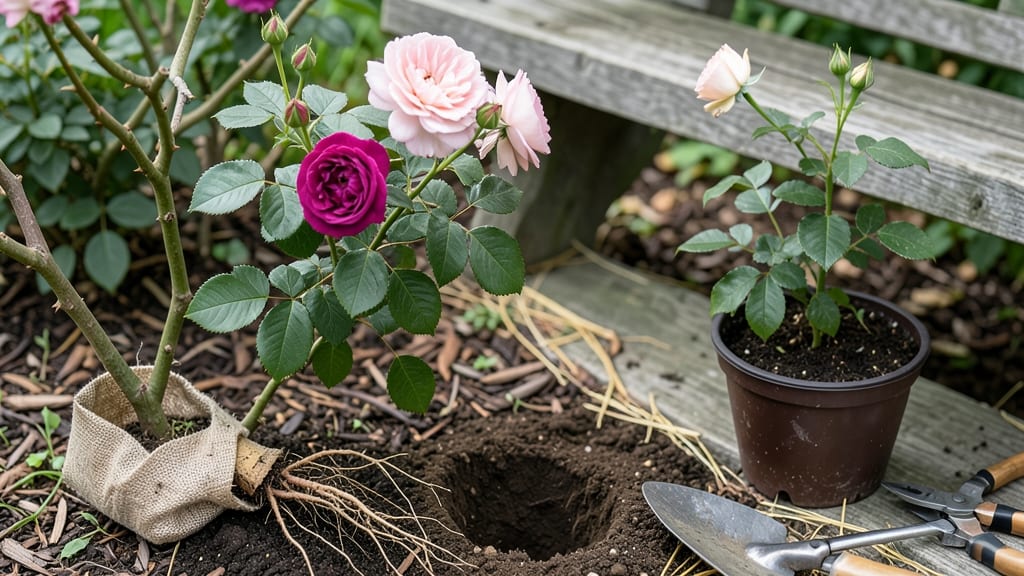
Planting roses in Tennessee at the right time means the difference between vibrant blooms and struggling shrubs 🌹 — and the best windows are early spring and early fall, when soil temps cooperate.
Picture this: you’ve spent months picking out the perfect rose bush, only to plant it in March when a late frost sneaks in and sets your progress back. Or worse, you wait until summer, and the heat stress stunts its growth before it even gets a chance to root.
Tennessee’s USDA Zones 6a-7b give you two ideal chances to plant, but timing is everything.
Why does this matter? Because roses planted outside their optimal window struggle to establish roots, leaving them vulnerable to disease, pests, and even death. In Tennessee’s humid summers and mild winters, getting the timing right means stronger plants, bigger blooms, and fewer headaches for you.
Below, I’ll break down the exact months to plant in your specific zone, how to prep your soil for Tennessee’s clay-heavy regions, and the care routine that keeps your roses thriving year after year — no guesswork included.
Best planting months for Tennessee roses by USDA Zone (5b-7a)
Tennessee's diverse USDA zones (5b-7a) create unique planting opportunities for roses, but timing is everything. In Zone 5b, where winters are colder, early spring planting gives roots time to establish before summer heat arrives. Meanwhile, Zone 7a gardeners can extend their window into late fall, thanks to milder winters.
The key is planting when soil temperatures stay above 50°F (10°C) for at least a week—this ensures roots grow actively rather than sitting dormant.
Most Tennessee gardeners swear by early fall (September-October) as the best window because roses establish roots in cool weather without competing with summer heat. However, late winter/early spring (March-April) works too, provided you avoid planting when frost is still a threat.
Each zone has its own sweet spot, but the goal is always the same: give your roses a strong start before Tennessee's brutal summers take over.
🌹 PRO TIP: Bare-root roses can handle cooler soil better than container-grown ones, so adjust your timing if you're planting potted specimens.
For Zone 5b, the late March–early April window is critical—this gives roses time to establish roots before Tennessee's summers arrive with a vengeance. If you plant too early, you risk frost damage; too late, and roots struggle to adapt before the heat.
Check your local last frost date (typically mid-April in northern TN) and plant 2-3 weeks after to be safe.
In Zone 6a, gardeners get a slightly longer window (early March–late April), but the real advantage comes in Zone 6b, where you can plant as early as mid-February.
This earlier start helps roses outpace Tennessee's humid summers, which can stress young plants. Just remember: bare-root roses establish faster than container-grown ones, so adjust your timing accordingly.
🌿 KEY FACTOR: Tennessee's clay-heavy soils in many areas mean roses need well-amended planting holes—mix in compost and sand to improve drainage.
Zone 7a is where fall planting shines. With milder winters, you can plant roses as late as early November, giving them time to establish before dormancy. The ideal window is September–October, when soil stays warm enough for root growth but temperatures cool enough to avoid summer stress.
This timing also helps roses bloom earlier the following spring.
No matter your zone, avoid planting in summer—Tennessee's heat and humidity create perfect conditions for disease pressure on young roses. If you must plant in summer, choose container-grown roses and provide afternoon shade until they establish. For most gardeners, sticking to spring or fall ensures healthier, more resilient plants.
One final tip: prune back dead foliage before planting to reduce stress, and always water deeply after planting to encourage root growth. With the right timing, your Tennessee roses will reward you with vibrant blooms from spring through fall.
How Tennessee's climate affects rose planting success (heat zones & rainfall)
Tennessee's climate—with its hot, humid summers and mild winters—creates unique challenges for rose gardeners. The state spans USDA Zones 5b to 7a, but microclimates like Memphis' heat islands or Chattanooga's mountain breezes drastically alter growing conditions.
Understanding these factors helps you avoid heat stress or fungal diseases that can ruin your roses before they bloom.
Summer temperatures in Nashville (Zone 7a) often hit 90°F+, while Memphis (Zone 7b) can exceed 100°F during heatwaves. Meanwhile, Chattanooga's elevation keeps nights cooler, reducing stress on roses. Rainfall patterns also vary—western Tennessee gets 50+ inches annually, while eastern regions see 45-50 inches.
These differences mean your planting schedule should adapt to your specific location.
Comparison Table: Rose Planting Adjustments by Tennessee Microclimate
In Nashville, plant heat-tolerant varieties like 'Knock Out' roses or 'Earth Song' to handle the intense summer sun. These roses thrive with consistent moisture but avoid soggy soil—mulch heavily to retain moisture without suffocating roots.
For Memphis gardeners, prioritize afternoon shade and drip irrigation to prevent leaf scorch from extreme heat.
Chattanooga's cooler microclimate allows for later spring planting (April) and longer fall blooms. Here, focus on air circulation to combat humidity—space roses 3-4 feet apart and prune for open canopies.
Avoid planting in low-lying areas where cold air pools, as even Zone 6b can see brief frosts into May.
Regardless of location, soil moisture is critical. Tennessee's clay-heavy soils retain water but can become waterlogged during rainy springs. Amend with compost and sand to improve drainage, and always plant roses in raised beds or mounds if your yard has poor drainage.
This simple adjustment can double your success rate by preventing root rot.
Timing your roses right means blooms from May through October—even in Tennessee's toughest heat. Start with the right variety for your microclimate, adjust your watering schedule, and watch your roses thrive where others wilt.
With these climate-specific tips, your garden will be the envy of the neighborhood—no wilting in sight! 🌹☀️