
Plants
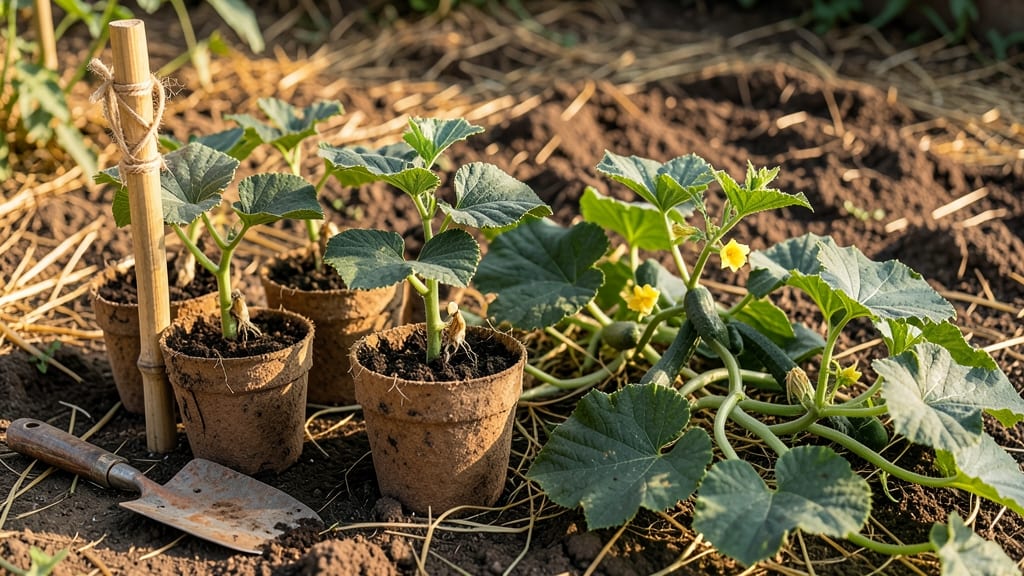
Plant cucumbers in New Hampshire after your last frost date — typically late May to early June — when soil temperatures hit at least 60°F.
New Hampshire gardeners know timing is everything — plant too early, and frost will wipe out tender 🥒 vines; too late, and your harvest shrinks before fall. The 150-day growing season in Zones 5B-6A demands precision, but a few adjustments can make all the difference.
Whether you’re direct-sowing seeds or transplanting starts, soil warmth and microclimates (like Lake Winnipesaukee’s influence) shift your ideal window by weeks. I’ll break down the exact frost-free timeline, soil tests to trust, and how to stretch your season with black plastic mulch or cold-tolerant varieties.
By the end, you’ll know not just when to plant, but how to maximize yield in NH’s short summer — even if your last frost sneaks in later than expected.
New Hampshire cucumber planting dates by last frost timeline (zone 5B-6A)
New Hampshire’s Zone 5B-6A climate demands precise timing for cucumber success. With last frost dates ranging from mid-May in southern regions to early June near the White Mountains, your planting window hinges on soil warmth and microclimates.
Coastal areas like Portsmouth warm faster, while inland zones near Lake Winnipesaukee lag behind—sometimes by 1-2 weeks. Understanding these nuances ensures your vines thrive before first frost hits in mid-October.
Cucumbers are warm-season crops that need soil temperatures above 60°F to germinate. In NH, this typically aligns with late May to early June, but direct sowing too soon risks frost damage or stunted growth.
For a 150-day growing season, aim to plant 4-6 weeks before your average first frost date. Transplants can go in slightly earlier, but they still need consistent warmth to establish roots.
Here’s your frost-free planting timeline for NH’s diverse zones, including soil temp thresholds and regional adjustments:
For direct sowing, wait until soil temperatures consistently hit 60°F at 5-7 cm depth. Use a soil thermometer to monitor—cold soil delays germination and invites damping-off disease.
In Zone 5B (e.g., Concord), this often means pushing planting to late May, while Zone 6A (e.g., Portsmouth) can start 2 weeks earlier due to coastal warmth.
If you’re transplanting seedlings, harden them off for 7-10 days before moving outdoors. Bush varieties like 'Bush Champion' tolerate cooler soils better than vining types, so they’re ideal for late-May starts. For vining cucumbers, wait until early June to ensure robust growth before first frost.
Microclimates play a huge role in NH. Areas near Lake Winnipesaukee or the Seacoast can plant 1-2 weeks earlier thanks to lake-effect warmth. Conversely, highland regions like the White Mountains may need to delay until early June.
Use black plastic mulch to warm soil faster—this can shave 10-14 days off your planting timeline by raising soil temps by 5-10°F.
Pro tip: Suck in heat by planting cucumbers near tall crops (like corn
5 Critical factors that determine your exact cucumber planting window in NH
New Hampshire’s unpredictable spring weather throws off even the most experienced gardeners. While the average last frost date hovers around May 15th, late frosts can strike as late as June 1st—especially in highland areas like the White Mountains.
To nail your cucumber planting window, you’ll need to account for more than just frost dates.
First, soil temperature is non-negotiable. Cucumbers won’t germinate until the soil reaches 60°F (15°C), and even then, cool soil stunts root growth.
In Zone 5B, this often means waiting until late May or early June, while Zone 6A gardeners might squeeze in an earlier planting with black plastic mulch to warm the soil faster.
- 1. Soil Warmth: Wait until soil hits 60°F+—use a soil thermometer to confirm. Cooler soil = slower growth and higher disease risk.
- 2. Variety Maturity: Bush types (e.g., 'Bush Champion') mature faster (50 days) than vining varieties (60-70 days). Choose early-maturing types for NH’s short season.
- 3. Container Limitations: Pots dry out 2x faster than ground soil. Start 2-3 weeks earlier indoors or use self-watering containers to extend the season.
- 4. Late Frost Risk: Monitor the NH State Climate Office for 10-day forecasts. If frost is predicted within 2 weeks of planting, delay or use row covers.
- 5. Microclimates: Coastal areas (e.g., Portsmouth) warm 1-2 weeks earlier than inland zones. Adjust your planting date by 7-14 days if you’re near the ocean.
If your spring is delayed by rain or cold, don’t panic—cucumbers are fast growers when conditions are right. For every 5°F below 60°F, germination slows by 50%, so prioritize soil warming with clear plastic mulch or straw bales.
Pro tip: Plant radishes or lettuce nearby as frost indicators—if they survive, your cucumbers likely will too.
For container gardeners, the window shrinks dramatically. Since pots lose heat overnight, start seeds indoors 3-4 weeks before your target outdoor date. Use 5-gallon buckets with heat mats to mimic ground soil temperatures.
If you’re in Zone 5B, this might mean starting by May 1st for a June harvest.
Finally, track your local frost history. NH’s Mount Washington region can see frost through June, while Lake Winnipesaukee’s microclimate often breaks frost 2 weeks earlier.
Use Almanac’s Frost Calculator (or your county extension office) to fine-tune your dates. Remember: Better late than sorry—a 2-week delay is preferable to a frost-killed crop.
Once you’ve locked in your planting window, mark your calendar for July 4th—that’s when most NH gardeners hit their peak cucumber harvest. With these adjustments, you’ll avoid the common pitfalls of NH gardening and enjoy homegrown cukes from July to September. 🌱