
Plants
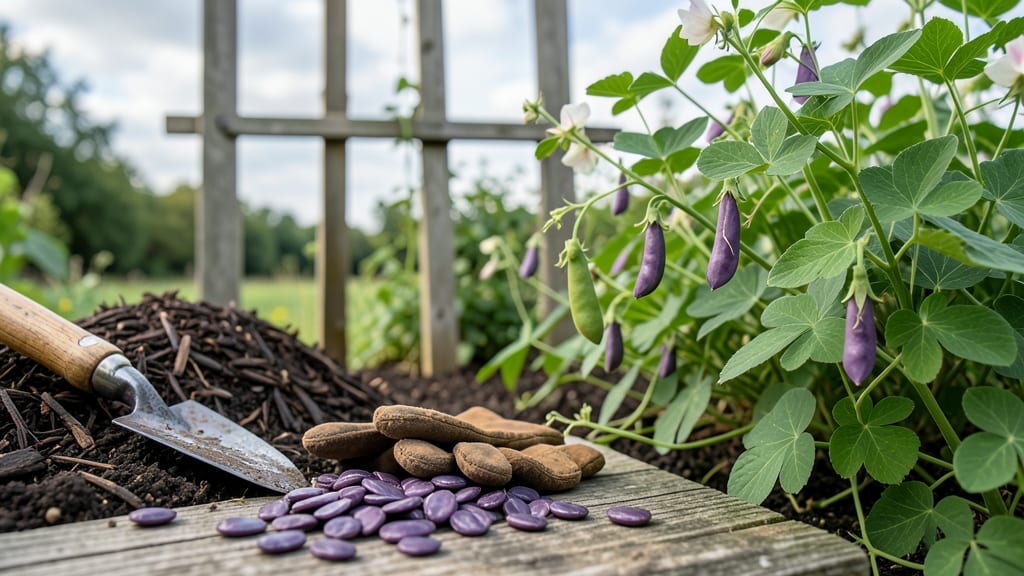
Plant purple hull peas in Mississippi when soil temperatures hit 60°F and frost risk fades — typically late February to early April for most of the state.
Mississippi gardeners know timing is everything—especially when planting heat-loving crops like purple hull peas 🌱. Plant too early, and frost will kill your seedlings; too late, and your harvest suffers. Here’s the exact frost-free timeline and soil temperature guide to maximize your yield.
In USDA Zone 8a, the last frost usually passes by mid-March, but northern Mississippi may wait until early April. Southern regions can start as early as late February, giving you a 2-week head start on the season.
Below, I’ll break down the ideal planting windows, soil prep tips, and how to adjust for Mississippi’s microclimates—so you can avoid common mistakes and enjoy a bountiful harvest from May to June.
Mississippi purple hull pea planting timeline: frost dates & soil temperature rules
Mississippi’s climate offers two perfect windows for planting purple hull peas: early spring and late summer. These heat-loving legumes thrive when soil temperatures hit 60°F+, making timing critical to avoid frost damage or stunted growth.
In North Mississippi, cooler microclimates demand earlier plantings, while South Mississippi can start slightly later due to warmer soils.
Your planting success hinges on two key factors: last frost dates and soil warmth. Most of Mississippi sees its average last frost around March 15, but northern regions like USDA Zone 7b may experience late frosts into early April.
Southern areas like Jackson or Gulf Coast often hit 60°F soil temps by mid-February, giving gardeners a head start.
| Region | Ideal Planting Window | Soil Temp Threshold | Last Frost Date | Action |
|---|---|---|---|---|
| North MS (Zone 7b) | Early March - Mid-April | 60°F+ | March 15-April 5 | Use row covers if planting before April |
| Central MS (Zone 8a) | Late February - Late March | 60°F+ | March 1-15 | Plant after soil warms consistently |
| South MS (Zone 8b) | Mid-February - Early April | 60°F+ (often earlier) | February 28-March 10 | Can plant as early as January in warm microclimates |
| Delta Region (Zone 8a) | Late February - Early April | 60°F+ (soils warm faster) | March 1-15 | Monitor humidity for fungal risks |
To pinpoint your exact planting window, check the Mississippi State University Extension Service frost maps or use a soil thermometer (available at garden centers for under $15). I recommend planting purple hull peas when soil temps stay above 60°F for 5+ days—this ensures strong germination and rapid vine growth.
For North Mississippi, aim for March 15-30; Central MS gardeners can start by February 28.
For precision planting, I use the 3-week rule: plant seeds 21-28 days before your region’s last frost date. This gives seedlings time to establish roots before potential cold snaps.
In South Mississippi, where soils warm faster, you can even start indoor seed trays by late January for early March transplanting.
Mississippi’s summer planting window (July-August) offers a second harvest opportunity. For this, monitor first frost dates—typically November 15—and plant 90-100 days before your area’s average first frost. This ensures pods mature before cold weather arrives. In hotter southern regions, you might extend this to early December plantings.
Pro tip: Use black plastic mulch to warm soil faster in early spring. I’ve seen soil temps rise 5-10°F faster under mulch, accelerating germination. For organic gardeners, spread composted leaves 2-3 weeks before planting to boost soil warmth naturally. Both methods help you meet the 60°F threshold sooner.
Local weather data is your best friend. I check the National Weather Service’s Jackson office for regional forecasts and the Mississippi Automated Weather Network (MAWN) for real-time soil temps. These tools help adjust planting dates by 1-2 weeks based on current conditions rather than averages.
Remember: Purple hull peas are sensitive to frost at any stage. If you’re in Zone 7b and see late-March frosts forecasted, delay planting until April 15 or use frost cloth for protection.
In warmer southern zones, you can push early plantings to February 1, but always verify soil temps.
For maximum yield, I recommend succession planting every 2 weeks from March through April. This staggered approach ensures a continuous harvest through June-July. In North Mississippi, this might mean 4-5 plantings; in South Mississippi, you could extend to 6 plantings with proper soil management.
🌱
How to adjust planting for Mississippi’s microclimates & common mistakes to avoid
Mississippi’s diverse climate—from the humid Delta to the drier Hill Country—means one planting schedule doesn’t fit all. Purple hull peas thrive in warm soil (60°F+) and long growing seasons, but timing varies by region.
For example, North Mississippi (USDA Zone 7b) should plant in late March, while South Mississippi (Zone 8a) can start as early as February.
Soil prep is just as critical. Test your soil’s pH (6.0–7.0) and amend with compost for well-draining beds. Heavy clay in the Delta? Mix in sand or organic matter to prevent waterlogging. In the Hill Country, focus on retaining moisture with mulch—purple hull peas hate dry spells.
Here’s the key takeaway for Mississippi gardeners:
Mississippi Planting Checklist for Purple Hull Peas
- ✅ North MS: Plant late March after soil hits 60°F
- ✅ South MS: Plant February–early March for spring harvest
- ✅ Soil: pH 6.0–7.0, well-draining, compost-amended
- ✅ Avoid: Planting too deep (1 inch max), ignoring soil warmth, skipping succession plantings
- ✅ Harvest: 60–70 days after sowing, pods 2–3 inches long
🌱 Pro Tip: Use a soil thermometer to confirm 60°F+ before planting.
Three common mistakes ruin purple hull pea harvests. First, planting seeds too deep (bury them only 1 inch)—they need light to germinate. Second, ignoring soil warmth: cold soil delays germination by weeks. Finally, skipping succession planting every 2 weeks ensures a continuous harvest instead of one big batch.
For the Delta region, prioritize disease-resistant varieties like ‘Mississippi Silver’ due to high humidity. In the Hill Country, focus on drought-tolerant mulching to conserve moisture. Both areas benefit from trellises—purple hull peas climb, saving space and improving airflow.
Mississippi’s late-summer heat (July–August) also works for a second planting. Wait until soil cools slightly after June’s peak, aiming for 75°F daytime temps. This second crop matures just in time for fall harvests before frost.
Adjust for your microclimate: low-lying areas may need earlier starts to escape spring floods, while upland gardens can plant later. Always check the Mississippi State Extension for local frost dates—your best guide for precision planting. 🌿