
Plants
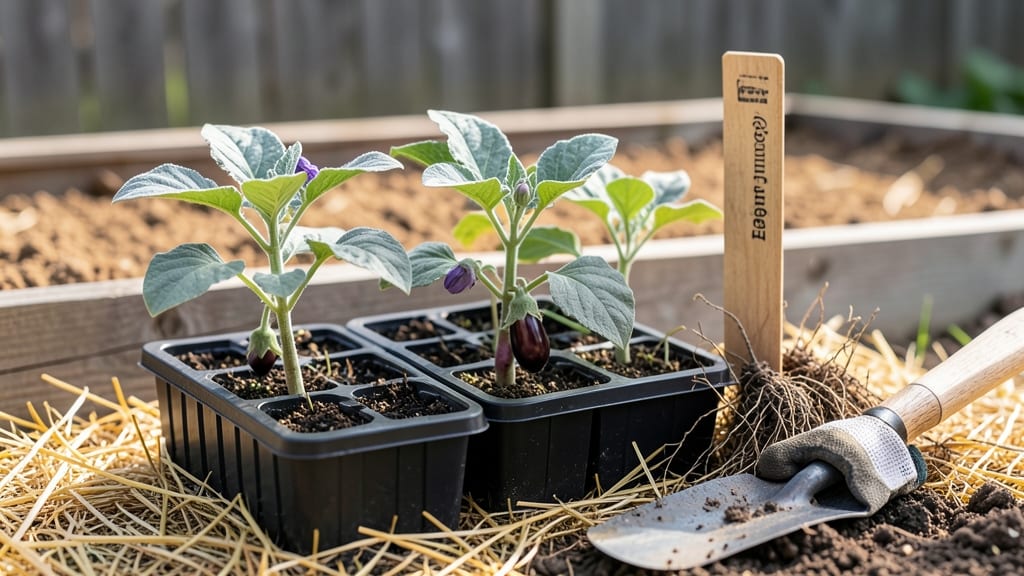
Planting eggplant in California at the right time means the difference between a bountiful harvest and a wasted effort—especially when your soil hasn’t warmed enough yet.
California’s diverse microclimates can turn eggplant planting into a hit-or-miss game—get the timing wrong, and your plants may bolt before fruiting. But with the right soil temperatures and regional adjustments, you can enjoy a bountiful harvest from this heat-loving crop.
Coastal areas like USDA Zone 10 can start as early as February, while inland valleys (Zone 9) and desert regions (9b-11) wait until March. The key is waiting for soil temps to hit 70°F+—any cooler, and your seeds will languish.
Below, I break down the exact planting windows for your region, how to prep your soil, and the 3 biggest mistakes that kill eggplant yields in California gardens.
California eggplant planting dates by region (soil temp guide)
Eggplant thrives in California’s warm climate, but soil temperature and microclimates dictate the perfect planting window. Unlike frost-sensitive crops, eggplant needs 60°F+ soil to germinate and 70°F+ for vigorous growth.
Coastal areas can start earlier than inland deserts, where summer heat arrives faster. Let’s break down the ideal planting months for your region to maximize your harvest.
California’s USDA zones 7-11 create dramatic differences in growing conditions. Coastal regions (like San Francisco) enjoy milder winters, while inland valleys (Central Valley) and deserts (Palm Springs) face intense summer heat.
For direct sowing, wait until soil reaches 70°F+—eggplant won’t tolerate cool roots. If starting seeds indoors, begin 8-10 weeks before your target outdoor date.
🌱 Key Rule: Eggplant hates transplant shock, so avoid moving seedlings when temps exceed 85°F. Use shade cloth or plant in late afternoon to reduce stress. Now, let’s dive into the region-specific planting calendar below to pinpoint your best window.
| Region | USDA Zone | Soil Temp Threshold | Best Planting Window | Harvest Window | Notes |
|---|---|---|---|---|---|
| Coastal (San Francisco, Santa Barbara) | 10 | 60°F+ (germination), 70°F+ (growth) | February–April (direct sow) or March–May (transplant) | May–September | Use row covers for early starts; watch for coastal fog delays. |
| Inland Valleys (Sacramento, Fresno) | 9 | 70°F+ (soil must stay warm) | March–April (direct sow) or April–May (transplant) | June–October | Mulch heavily to retain moisture; avoid summer planting. |
| Desert (Palm Springs, Coachella) | 9b–11 | 75°F+ (heat-loving varieties only) | February–March (direct sow) or March (transplant) | April–June (early harvest before extreme heat) | Use shade cloth 30–50%; plant in late afternoon. |
| High Desert (Mammoth Lakes) | 7 | 65°F+ (short season) | April–May (transplant only; no direct sow) | July–August | Grow heat-tolerant varieties like ‘Ichiban’; harvest before September. |
In coastal California, you can start eggplant as early as February if soil temps are stable, but most gardeners wait until March to avoid coastal fog delays.
The Central Valley sees its best results from March–April direct sowing, while desert regions must plant by March to beat the summer heat. Pro tip: Use a soil thermometer to confirm readiness—eggplant roots need warmth to thrive.
For container gardening, adjust timelines slightly. Pots heat up faster, so monitor soil temps closely. If your balcony faces southwest, plant 1–2 weeks later to avoid afternoon heat stress. Black plastic mulch can raise soil temps by 5–10°F, giving you an earlier start in cooler zones.
Always pair mulch with drip irrigation to keep roots consistently moist.
One common mistake is planting too early in cooler microclimates (e.g., Big Sur or Monterey). Eggplant seeds may rot in 50°F soil, so wait until nighttime temps stay above 55°F.
In hot inland areas, avoid planting after May 15th—eggplant bolts (flowers prematurely) when days exceed 90°F. Stagger plantings every 2 weeks for a continuous harvest.
If you’re in USDA Zone 10+, you can even try a fall planting! Sow seeds in September for a winter harvest (December–January), but choose heat-tolerant varieties like ‘Black Beauty’ or ‘Rosa Bianca’.
Just remember: no frost in most of California, but high desert areas may need row covers for early spring starts.
Ready to plant? Grab your soil thermometer, mark your calendar for your region’s ideal window, and prepare your soil with compost and aged manure. Eggplant rewards patience—with the right timing, you’ll enjoy glossy, firm fruit all summer long! 🍆
How to adjust eggplant planting for California’s microclimates
California’s coastal breezes, inland heatwaves, and desert sun create dramatically different conditions for eggplant growers. Coastal gardens need early starts with cold frames, while valley growers must battle summer stress with mulching, and desert gardeners rely on shade cloth to prevent bolting.
The key is adapting your approach to match your local microclimate’s unique challenges.
Eggplants thrive when soil stays between 70-85°F, but California’s regions vary wildly. Coastal areas like San Francisco may see 50°F nights in spring, while Central Valley soils can hit 90°F+ by June.
Desert regions like Palm Springs face extreme temperature swings daily. Each zone requires its own strategy to keep plants productive and healthy.
For coastal gardeners, the secret weapon is season extension tools. I’ve had success using low tunnels to warm soil 2-3 weeks earlier than the official last frost date.
These simple hoop structures covered with clear plastic can raise soil temps by 10-15°F, creating ideal conditions for eggplant seeds to germinate in March rather than waiting for April.
In valley regions, where summer temperatures routinely exceed 95°F, I recommend white mulch like straw or reflective landscape fabric. This keeps roots 10°F cooler than bare soil while reducing water evaporation.
Pair this with evening watering (after 6 PM) to prevent fungal diseases that thrive in hot, humid conditions. 'Rosa Bianca' is my top variety for these areas—it produces creamy white fruit that matures quickly in the heat.
Desert gardeners face the toughest challenge: extreme daily temperature swings. I’ve found that 50% shade cloth installed at planting time prevents soil from overheating while still allowing enough light for photosynthesis.
For container growing, use black fabric pots that absorb heat during the day and release it slowly at night, creating a more stable root zone temperature.
Remember, soil temperature matters more than air temperature for eggplant success. Always check soil temps with a soil thermometer—aim for 70°F+ before planting. In coastal areas, this might mean waiting until late April, while desert gardeners can start as early as February with proper shade protection.
The right adjustments turn California’s microclimates from obstacles into opportunities for bountiful eggplant harvests year after year. 🌱