
Companion Plants
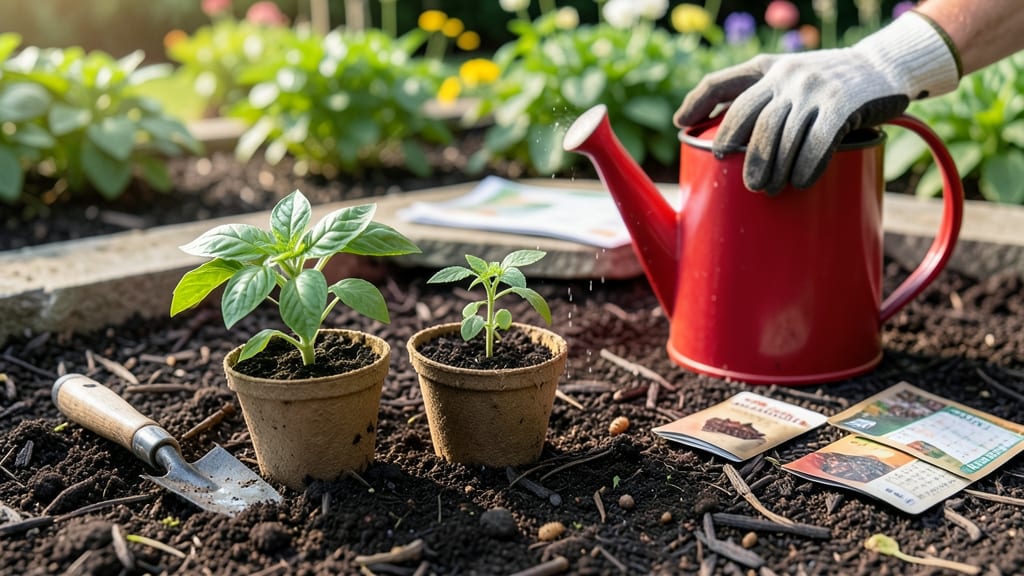
Planting a garden in New Brunswick at the right time means the difference between a bumper crop and a frost-kissed flop — and the province’s microclimates make timing everything.
Timing your garden planting in New Brunswick can mean the difference between a thriving harvest and a frost-kissed disappointment—especially with the province’s diverse microclimates from coastal warmth to inland chill.
Whether you’re in Saint John’s milder coastal zone or Fredericton’s cooler interior, knowing when to start seeds indoors and when to transplant outdoors is the key to success.
Below, I break down the frost-free windows by region, soil prep tips for USDA Zones 4b-6b, and how to stretch your growing season with row covers and succession planting.
New Brunswick’s frost-free planting zones: when to start seeds indoors vs. outdoors
New Brunswick’s USDA Hardiness Zones 4b-6b create unique challenges for gardeners. Coastal areas like Saint John (Zone 5b) enjoy earlier springs, while inland regions such as Fredericton (Zone 4b) face later frost risks. Understanding these zones helps you time seed starting indoors and outdoor planting perfectly.
For Saint John and Moncton (Zones 5a-5b), the average last frost date falls between May 10-15, while Fredericton and Miramichi (Zone 4b) typically see frost until May 25-30. These dates shift your seed-starting timeline by weeks—critical for warm-season crops like tomatoes and peppers.
In Zone 5b (Saint John/Moncton), start tomatoes and peppers indoors by March 1 to transplant outdoors by May 1.
For Zone 4b (Fredericton/Miramichi), delay indoor starts until March 15 to avoid early-season heat stress. Cool-season crops like spinach and peas can go directly into the garden as early as April 1 in coastal areas.
Herbs like basil and cilantro thrive with 6-8 hours of sun and should be started indoors 4-6 weeks before your last frost date.
In Fredericton (Zone 4b), this means late March for a May 25 transplant. Hardy herbs like parsley can handle cooler temps and tolerate direct outdoor planting by April 15.
Flower lovers should note that annuals like marigolds can handle cooler soils and tolerate April 1 planting in Zone 5b. In Zone 4b, wait until May 1 for frost-sensitive varieties. Perennials like lavender should be planted in early spring (April) to establish roots before summer heat.
For warm-season vegetables, calculate days to maturity from your last frost date. A 60-day tomato in Saint John (Zone 5b) needs indoor starts by March 1, while the same variety in Fredericton (Zone 4b) requires March 15 starts to avoid late frosts.
Use row covers or cold frames to extend your planting window by 2-3 weeks in Zone 4b. This lets you plant lettuce and radishes as early as March 20 under protection. Always monitor soil temperature—aim for 45°F (7°C) for cool crops and 60°F (15°C) for warm-season plants.
Remember: Microclimates matter. A south-facing slope warms up faster than a north-facing valley, potentially shifting your planting dates by 1-2 weeks. Observe your garden’s unique conditions to fine-tune timing for maximum success.
By aligning your seed-starting schedule with New Brunswick’s frost-free zones, you’ll avoid frost damage and ensure a longer harvest season. Start planning now—your garden’s success begins with the calendar!
Microclimate-specific planting calendar: coastal vs. inland New Brunswick
New Brunswick's coastal regions near the Bay of Fundy experience earlier springs and milder winters compared to inland areas. This means your planting windows can shift by 2-3 weeks depending on whether you're gardening in Saint John or the Fundy Highlands.
Understanding these differences helps you avoid late frost damage while maximizing your growing season.
Coastal areas like Saint John and Miramichi typically see their last frost around May 1-15, while inland cities such as Fredericton and high-elevation zones like the Fundy Highlands may face frost until May 20-30. These variations impact everything from seed-starting dates to transplanting schedules for vegetables and flowers.
Key takeaway: Coastal gardeners can start warm-season crops like tomatoes and peppers 2 weeks earlier than inland growers. Meanwhile, inland regions benefit from fall planting later into October, thanks to cooler nights that delay frost.
| Microclimate | Last Frost Date | First Frost Date | Peas (Direct Sow) | Tomatoes (Transplant) | Fall Planting Window |
|---|---|---|---|---|---|
| Coastal (Saint John) | May 1-15 | Oct 5-15 | Mid-April | Late May | Until Sep 30 |
| Inland (Fredericton) | May 15-30 | Sep 25-Oct 5 | Late April | Early June | Until Sep 15 |
| High Elevation (Fundy Highlands) | May 20-30 | Sep 15-25 | Late April | Early June | Until Sep 1 |
*Dates reflect averages; monitor local forecasts for adjustments
For coastal gardeners, focus on early spring crops like spinach and radishes in March under row covers. Inland gardeners should prioritize cold-hardy varieties like kale and carrots, which tolerate late frosts better. The Fundy Highlands require extra caution with warm-season plants due to their higher elevation and cooler temperatures.
Adjust your fall planting based on your microclimate too. Coastal areas can extend harvests into late September, while inland regions should wrap up by mid-September. Use frost blankets to protect tender plants like basil and peppers in both regions until the first frost arrives.
Pro tip: Coastal gardeners can experiment with tropical plants like sweet potatoes, while inland areas are better suited for hardy perennials like asparagus. Always check your local agricultural extension office for year-specific updates on frost dates and planting windows.