
Plants
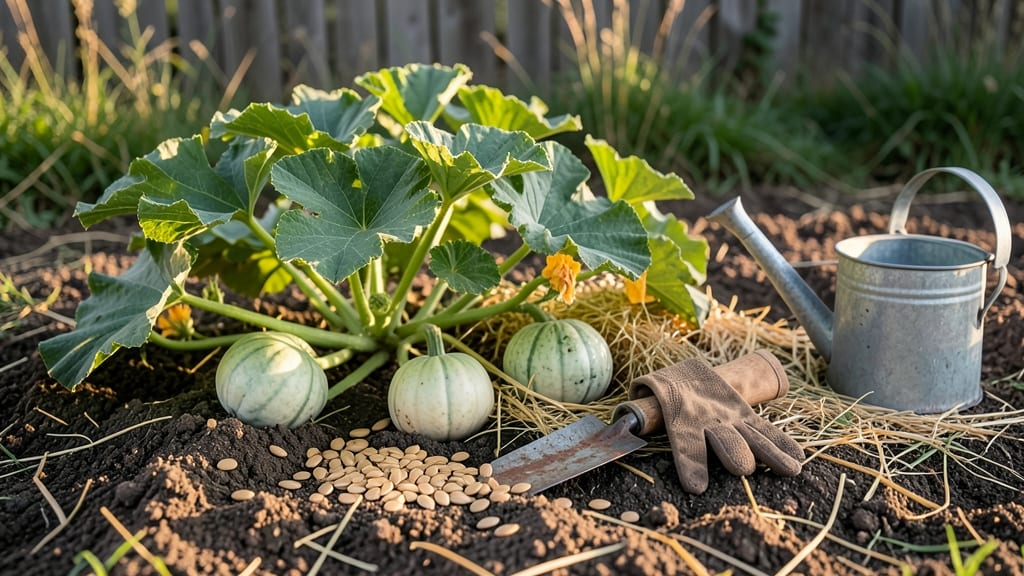
Planting pumpkin seeds in Southern California at the right time means the difference between a thriving 🎃 harvest and a wilted disappointment.
Growing pumpkins in Southern California’s diverse microclimates means timing your planting can make the difference between a bountiful harvest and a failed crop—here’s how to pinpoint the perfect weeks for zero-frost risk.
Unlike northern gardeners, you don’t have to worry about frost, but heat and soil temperature are the real game-changers. Coastal areas like San Diego can start as early as February, while inland deserts like Palm Springs should wait until March or April when the ground warms up.
In this guide, I’ll break down the exact planting windows for your region, soil prep secrets, and how to adjust for heatwaves—so you can grow pumpkins that rival the biggest at the state fair.
Southern California pumpkin planting calendar by microclimate (avoid frost, maximize heat)
Southern California’s diverse microclimates—from foggy coastal areas to scorching desert valleys—create wildly different growing conditions for pumpkins. Unlike most states, we don’t have to worry about frost damage, but heatwaves and soil temperature swings can still derail your harvest.
The key? Planting at the right time for your specific zone to ensure vines thrive without wilting or producing bitter fruit.
Whether you're growing miniature varieties like 'Jack Be Little' or giant pumpkins like 'Atlantic Giant,' timing matters. Coastal gardeners in Zone 10-11 can start earlier, while inland desert growers in Zone 9b must wait for soil to warm.
Below, I’ve broken down the optimal planting windows for each microclimate, including soil temperature thresholds and transplanting tips.
For coastal gardeners, the foggy mornings mean soil stays cooler longer, so aim to plant pumpkin seeds in late February to early March.
If you’re transplanting seedlings, wait until mid-March to avoid root shock from temperature fluctuations. Dwarf varieties like 'Jack Be Little' thrive here because their shorter vines (3-5 ft) avoid overcrowding in small spaces.
In the valley regions, where heat arrives earlier, start seeds in early March. The soil temperature needs to hit at least 65°F (18°C) to prevent slow germination. If you’re growing giant pumpkins, transplant by late March to give vines enough time to spread before summer’s peak heat.
Use drip irrigation to keep roots cool during 100°F+ days.
Inland desert areas like Palm Springs and Joshua Tree have the latest planting windows due to extreme heat. Wait until April 1 to sow seeds directly, when soil temperatures exceed 70°F (21°C). Transplanting should happen by mid-April to avoid stress.
Here, heat-tolerant varieties like 'Minnesota Giant' shine—they handle intense sunlight and low humidity better than coastal types.
No matter your microclimate, soil preparation is critical. Amend your soil with compost to improve drainage (especially in desert areas) and add a 5-10-10 fertilizer at planting. Mulch heavily with straw to retain moisture and suppress weeds.
In coastal areas, watch for powdery mildew—space plants 6-8 ft apart for airflow.
If you’re aiming for a Halloween harvest, coastal gardeners should plant by early March, while inland growers need to start by mid-April. Remember, pumpkins need 90-120 days to mature, so time your planting to align with your harvest goals.
For example, a 90-day variety planted on March 15 (coastal) will be ready by June 14—perfect for summer festivals.
One common mistake? Planting too early in hot inland areas, which causes seeds to rot. Always check soil temperature with a soil thermometer before planting. And if you’re growing giant pumpkins, be prepared for massive vine spread—clear a 20x20 ft area or use trellises to manage growth.
🎃 With the right timing, your Southern California pumpkin patch can thrive year-round—
5 Critical factors that determine your exact pumpkin planting week (beyond the calendar)
Southern California’s microclimates mean a one-size-fits-all planting date won’t work. While coastal areas like San Diego can start as early as late January, inland deserts near Palm Springs should wait until mid-March to avoid heat stress.
The key? Adjusting for local heatwaves, elevation shifts, and irrigation reliability—not just frost dates (which rarely happen here).
Even within the same USDA Zone 9-10, a 1,000-foot elevation gain can delay planting by 2-3 weeks. For example, Los Angeles’ coastal flats thrive with February sowings, while the San Bernardino Mountains (Zone 9b) need to wait until April to avoid premature wilting.
Seed maturity also matters—90-day varieties like ‘Jack Be Little’ can handle later starts, while 120-day giants like ‘Giant Canadian’ demand earlier planting.
- 🌡️ Soil Temperature: Wait until soil hits 60°F (15°C)—use a soil thermometer in early mornings. Coastal areas hit this by mid-February, while deserts lag until late March.
- 🏔️ Elevation Adjustments: Add 1 week per 500 feet above sea level. For example, Santa Barbara (sea level) plants in February, but Big Bear (7,000 ft) waits until May.
- 💧 Irrigation Access: Drip systems let you plant 2 weeks earlier than flood irrigation. Without reliable water, delay until April to avoid drought stress during flowering.
- ☀️ Heatwave Forecasts: Check NOAA’s 90-day outlooks—if 100°F+ days are predicted before harvest, plant smaller varieties or delay until June for fall harvests.
- 📅 Seed Maturity: 90-day varieties (e.g., ‘Sugar Pie’) can start in April, while 120-day giants (e.g., ‘Atlantic Giant’) need February starts. Match your variety to your microclimate’s growing season.
Don’t overlook USDA Zone refinements.
While most of SoCal is Zone 9-10, coastal fog belts (like Santa Barbara) act like Zone 10a, while high deserts (like Joshua Tree) behave like Zone 9b. Use the USDA Plant Hardiness Map to find your exact 10-year average minimums, then add 2-3 weeks to your planting window for safety.
For container growing, adjust dates by 1-2 weeks earlier—pots warm faster in sun. But if using black plastic mulch, you can plant 3 weeks earlier by raising soil temps by 5-10°F. Test mulch’s effectiveness by checking soil temps at 2-inch depth with a thermometer.
Pro tip: Succession plant in June-July for fall harvests. Choose heat-tolerant varieties like ‘Cinderella’ (85 days) and use shade cloth (30%) during September’s heatwaves to protect young vines. This extends your harvest window into October.
Remember, pumpkins need consistent warmth—not just heat. A single 110°F day won’t kill them, but 3+ days above 95°F during flowering will reduce pollination. Monitor your local heatwave trends and adjust planting dates accordingly for a reliable harvest. 🎃