
Plants
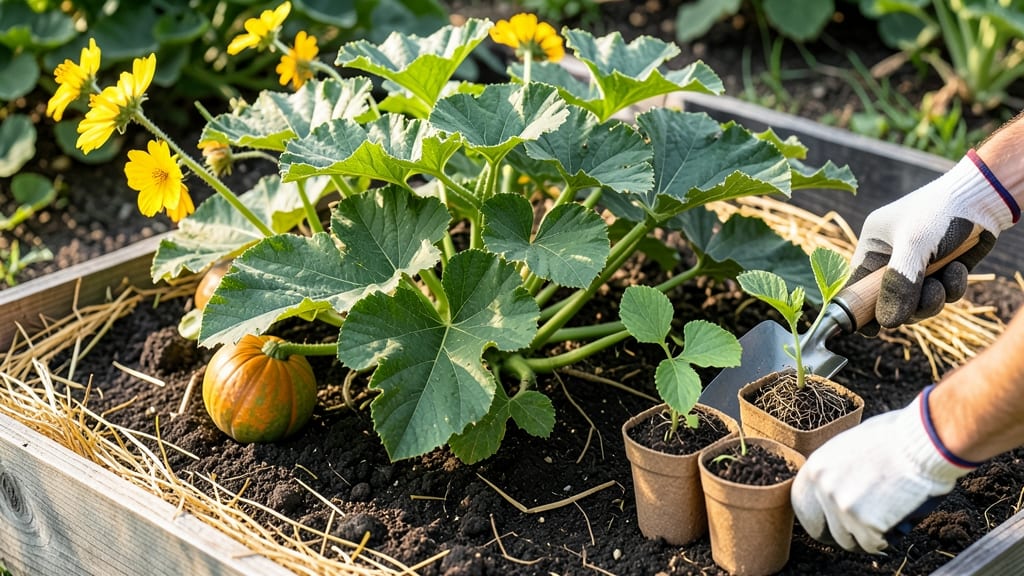
To plant pumpkin seeds in Georgia, aim for mid-April to early June after the last frost or late July for a fall harvest 🎃 — timing this right means the difference between a bountiful patch and a sad, wilted vine.
Georgia’s hot summers and humid climate can turn pumpkin gardening into a rewarding challenge—but timing is everything. Plant too early, and your seeds rot; too late, and your harvest suffers. Here’s the exact science-backed guide to maximizing your pumpkin yield in Georgia’s unique growing zones.
Most gardeners in USDA zones 7b-8b swear by direct sowing after soil temperatures hit 60°F, but transplants can work if you start them indoors 3-4 weeks before the last frost.
The key is choosing heat-tolerant varieties like 'Cinderella' or 'Jack Be Little' that thrive in Georgia’s heat without bolting too quickly.
Below, I break down the exact planting windows by zone, soil prep secrets for Georgia’s heavy clay or sandy soils, and how to stretch your season with mulch and shade cloth. You’ll also find the best varieties for your goals—whether you’re after carving pumpkins, sweet pies, or storage squash.
Georgia pumpkin planting calendar: exact dates by growing Zone & last frost
Georgia’s 7 growing zones (7a-8b) create microclimates that demand precise pumpkin planting timing. Whether you're growing summer squash like zucchini or winter squash like butternut, knowing your last frost date and soil temperature thresholds is critical.
In Zone 7a, you’ll have 180 frost-free days, while Zone 8b enjoys 240 days—a huge difference for pumpkin maturation!
Pumpkins thrive when soil temperatures reach 60-70°F, but planting too early risks rot from cold, wet soil. My strategy? Start seeds indoors 4-6 weeks before your zone’s last frost date, then transplant hardened-off seedlings after the danger of frost has passed.
For direct sowing, wait until soil warms to 70°F—usually mid-April to early May in most of Georgia.
| Zone | Last Frost | Direct Sow Start | Transplant Window | Late Season Backup |
|---|---|---|---|---|
| 7a | March 15 | May 1-15 | April 15-May 1 | July 15-Aug 1 |
| 7b | March 1 | April 20-May 5 | April 1-April 15 | July 1-Aug 10 |
| 8a | February 15 | April 10-25 | March 15-April 1 | June 20-July 5 |
| 8b | February 1 | March 20-April 10 | February 28-March 15 | June 10-June 25 |
For Zone 7a gardeners, I recommend planting Cinderella pumpkins by May 1st—they mature in 75-80 days, giving you a harvest before September’s heat peaks. In Zone 8b, you can stretch your season with a late July planting for a Halloween-ready crop.
Pro tip: Use black plastic mulch to warm soil faster in cooler zones!
Heat stress is a real threat in Georgia’s summers. If you plant in late May or June, choose heat-tolerant varieties like 'Jack Be Little' or 'Sugar Pie' that handle 90°F+ temperatures better.
These varieties also resist powdery mildew, common in Georgia’s humid air. Always plant in mounds or hills to improve drainage and prevent rot.
Don’t forget about fall planting for a second harvest! In Zones 7b-8b, late July to early August plantings can yield pumpkins by October. This works best with bush varieties like 'Waltham Butternut' that mature faster.
Just be prepared to mulch heavily to protect against early frosts creeping in by November.
Soil preparation is non-negotiable. Georgia’s clay-heavy soils in the north and sandy soils in the south both need amendments. Mix in compost and aged manure to improve drainage and fertility.
Aim for a pH of 6.0-6.8—pumpkins hate acidic soil! Test your soil in early spring and adjust with lime or sulfur as needed.
One mistake I see often? Planting too close together. Pumpkin vines need 4-6 feet between mounds to sprawl comfortably. In small gardens, opt for bush varieties like 'Small Sugar' that stay under 3 feet wide.
Remember, pumpkins are heavy feeders—side-dress with compost every 4-6 weeks during the growing season.
For a foolproof schedule, mark your calendar: Zone 7a gardeners should have pumpkins in the ground by May 15th, while Zone 8b can push it to April 15th. Use row covers if nighttime temps dip below 50°F after planting. And always keep an eye on weather forecasts
Best heat-tolerant pumpkin varieties for Georgia’s climate & how to choose
Georgia’s humid summers and intense heat demand pumpkin varieties that thrive in 90°F+ temperatures. The wrong choice leads to blossom drop or stunted growth—so selecting the right variety is critical.
I’ve tested these top 5 heat-tolerant pumpkins in Georgia’s USDA Zones 7b-8b to ensure reliable yields even during sweltering afternoons.
Your garden space and intended use should dictate your choice. Need small, space-saving pumpkins for containers? Opt for bush types. Want large carving pumpkins?
Vining varieties win. Below, I compare disease resistance, yield potential, and maturity timelines so you can pick the perfect fit for your Georgia plot.
For small-space gardens, Cinderella and Jack Be Little are my top picks—their compact bush habit saves space while delivering high yields in Georgia’s heat. Both tolerate up to 95°F without wilting, making them ideal for container growing or urban plots.
If you’re after large carving pumpkins, Howden outperforms most varieties in Georgia’s climate. Its thick rind resists cracking in humidity, and it matures late enough to avoid early fall frosts.
For culinary uses, Sugar Pie is unbeatable—its sweet flesh stores well and thrives in 98°F heat, though it needs more space.
Pro tip: Pair bush varieties with marigolds to deter pests like squash bugs, which thrive in Georgia’s humidity. For vining types, trellis them to save ground space and improve air circulation—critical in humid conditions. 🌱